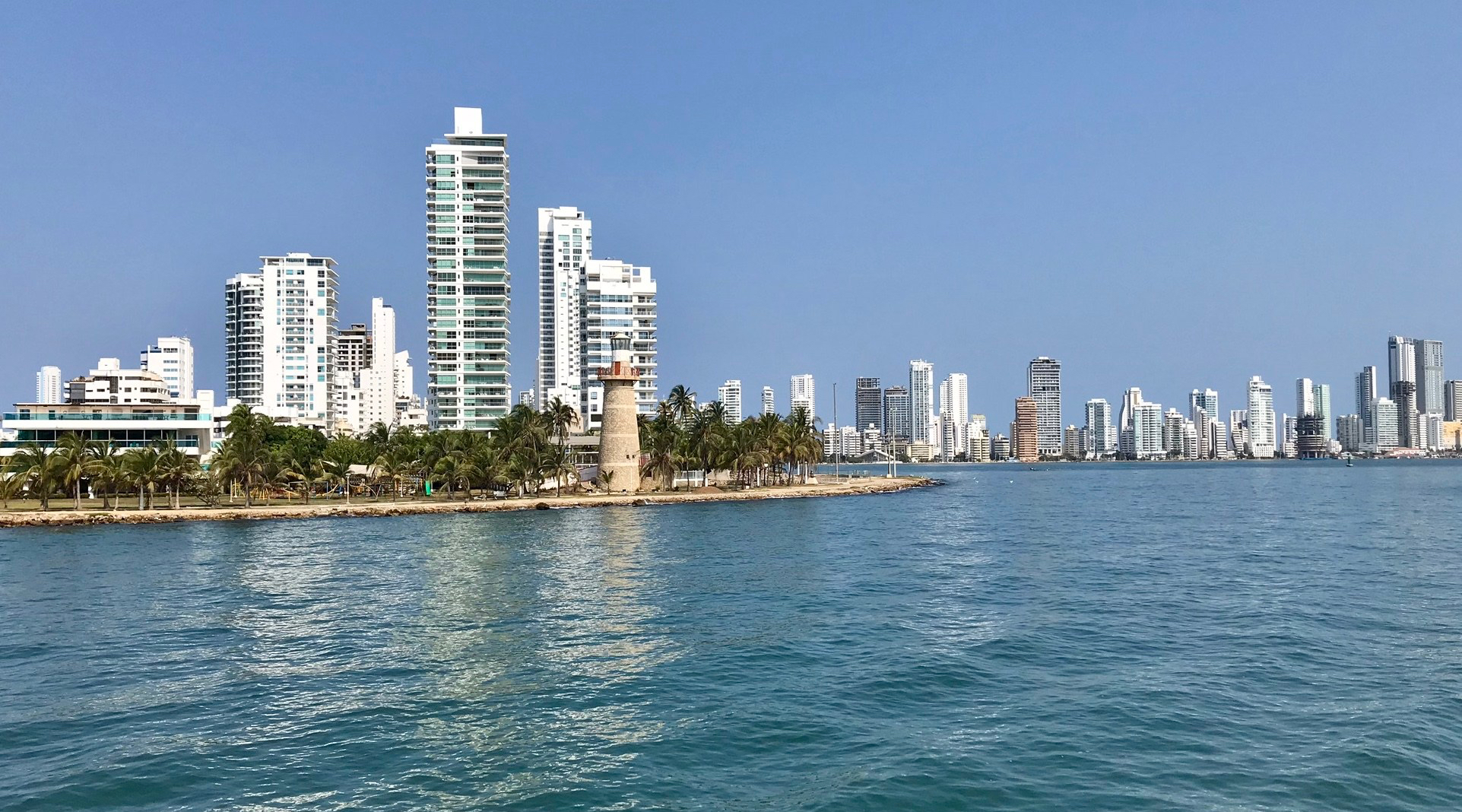
Working our way through the Rafael Rúñez International Airport customs line, I couldn’t help but notice the rainbow of passports from countries throughout Latin America and Europe. Within minutes of stepping out of the airport into the intense Caribbean sun, it is easy to see why Cartagena, Colombia is such a major tourist destination. This colorful coastal city boasts history, culture, nightlife and delicious seafood. The colonial architecture of the walled city pretty much requires a photograph at every turn. The beaches offer respite from the dense Caribbean heat. Reggaeton pours from clubs into the morning hours. And although you better bring your haggling game, the people of this city are extremely welcoming, generous and friendly.
Neighborhoods to visit
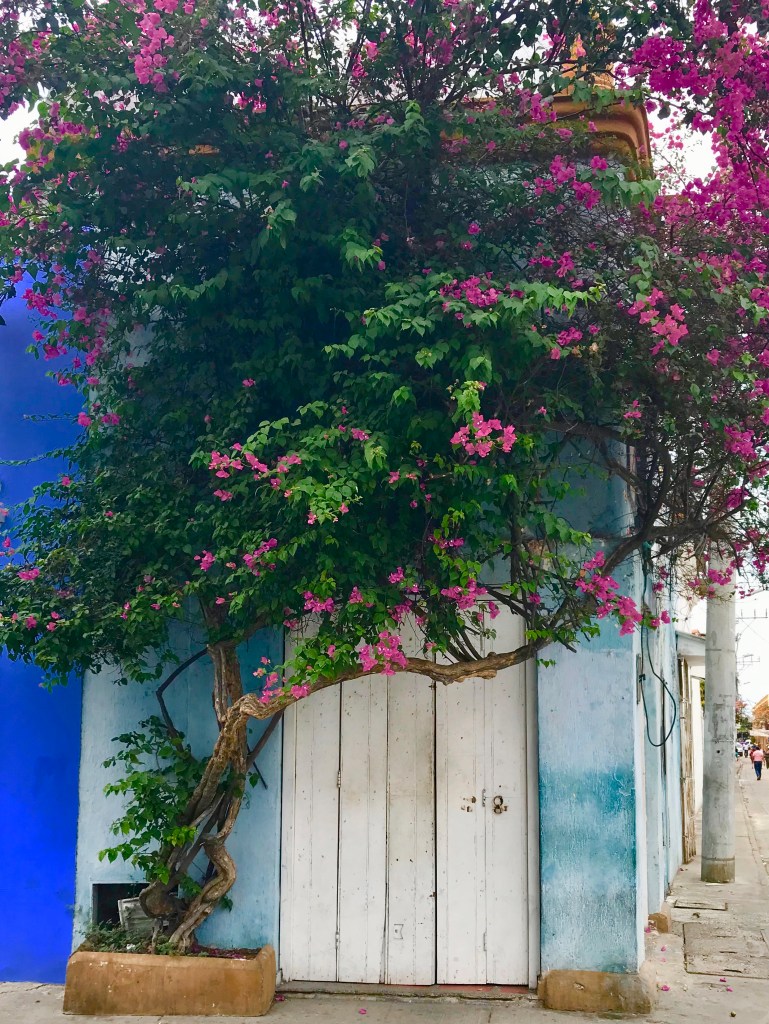
Although Cartagena is home to nearly one million people, the city’s neighborhoods feel surprisingly intimate. Most of the barrios popular with visitors are concentrated on or near the city’s origins on the peninsula that juts out toward the Caribbean Sea. This includes the historic Walled City, which is definitely the epicenter of tourism in Cartagena. While we often try to avoid the most touristy spots, you cannot visit Cartagena without spending a significant amount of time in the Walled City’s colonial neighborhoods. The stones that line the cobblestoned streets and build elaborate mansions are evidence of the historical wealth afforded this major port city which soon became a major hub for the slave trade. A stone wall encompasses the origins of the city, built in the 16th century as protection from pirate attacks. The architecture, brightly painted buildings dripping with colorful flowers, and charming plazas make this historically significant area well worth a visit.
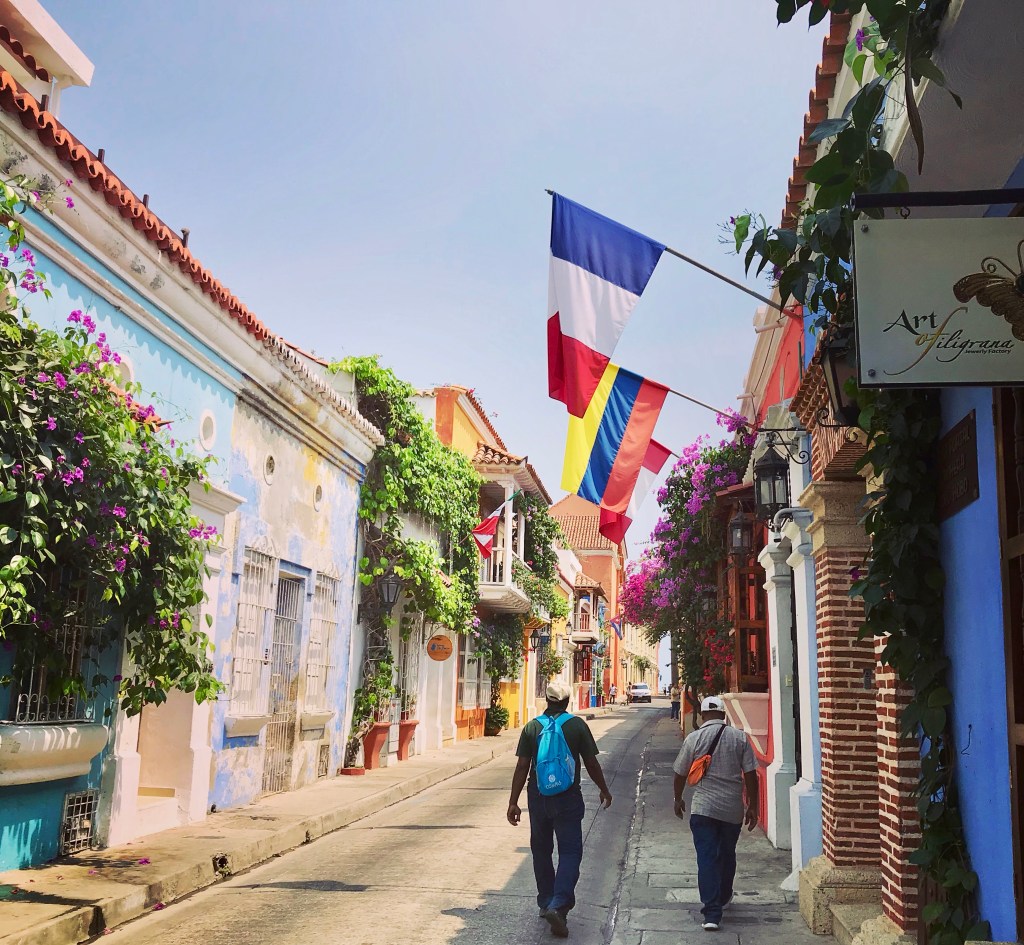
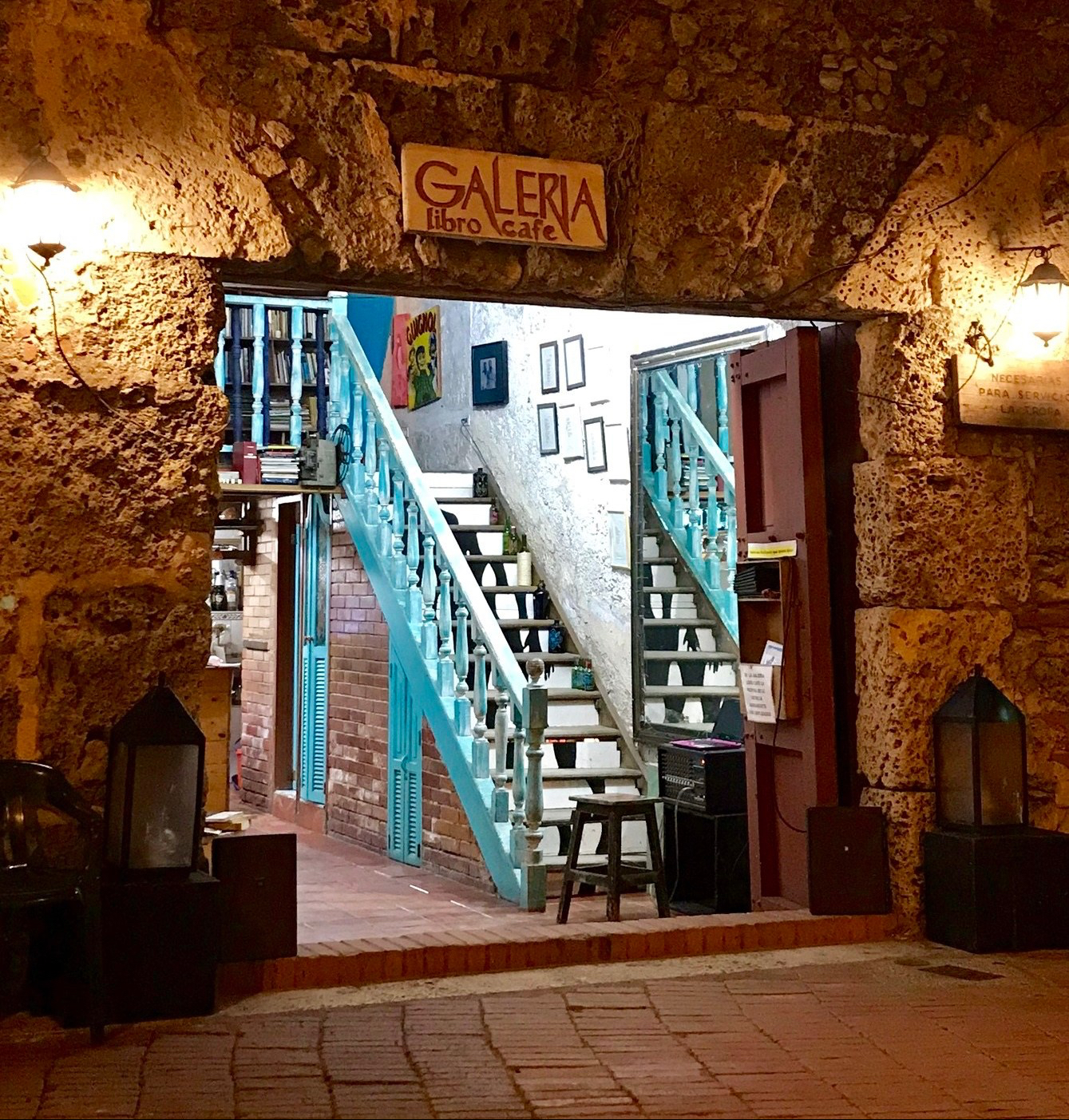
Two neighborhoods fall within the Walled City, El Centro and San Diego. El Centro is the swankier of the two neighborhoods. It is full of boutique hotels, restaurants, cafés and bars. The colonial architecture is meticulously preserved here, and it fun to stroll through its charming historic streets and enjoy its bustling plazas. While we found a lot of the restaurants in this area a bit pricey, do not leave this neighborhood without tasting the impossibly creamy gelato from Gelateria Paradiso. The gelato at this place rivals that of Italy. If you’re feeling adventurous, try the ginger flavor. In the morning stop by La Brioche on the Plaza de la Universidad for a decadent chocolate croissant. Sunset drinks overlooking the sea at Cafe Del Mar is a popular tourist activity, but skip this stuffy, overpriced and overrated locale. Instead bring your own beer and watch the sunset on the wall outside of the Cafe with the locals, then head down to Galería Libro Café for their delicious happy hour specials from the friendly proprietors. The tiny adjacent plaza is a good spot to pick up a souvenir or two from one of the vendors.
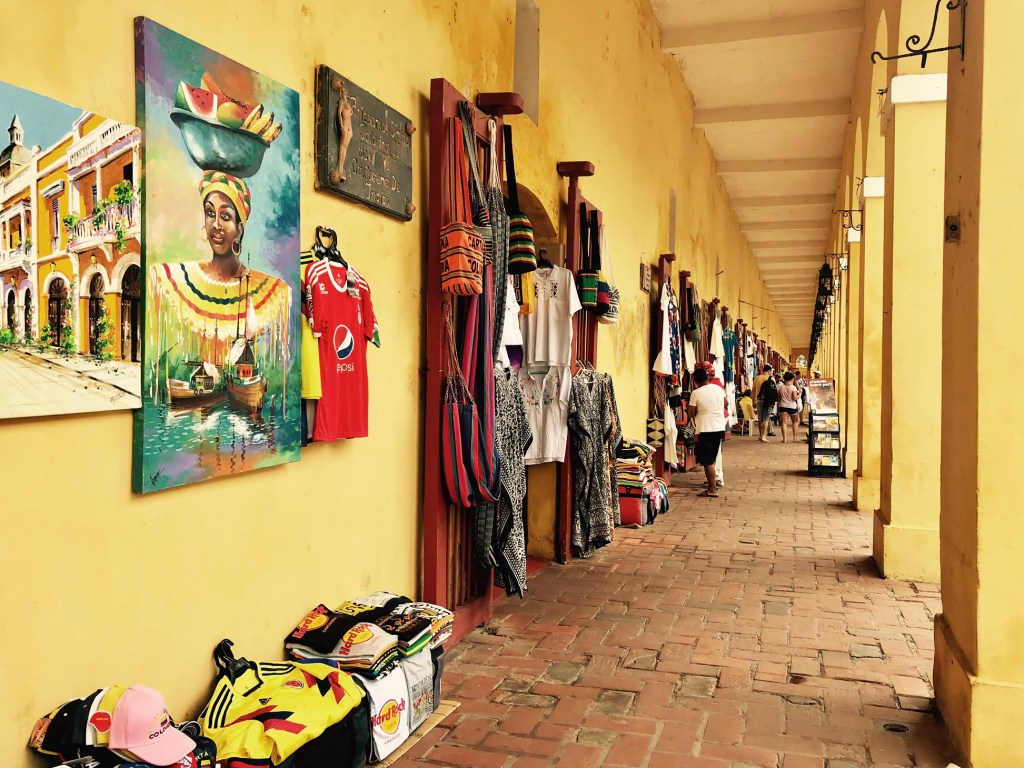
San Diego, while still quite touristy and with all of the colonial charm, is more relaxed and less upscale than El Centro. We stayed in an Airbnb overlooking the Caribbean on the border of both and gravitated toward San Diego’s more affordable restaurants including some local spots to eat hidden in between the more tourist centric restaurants. We found ourselves returning to Plaza San Diego to enjoy ceviche and arepas at Malanga Bistro Caribe, check out the plaza vendors, and watch the rapping street performers. Another recommended activity in this barrio is to shop for souvenirs in Las Bóvedas Market. These dungeons built in to fortress walls for military purposes now house a row of small tourist shops with a variety of souvenirs and artesian works. The goods are a little higher priced here, but it’s still fun to explore the shops in this historic location. Another neat place for souvenirs is the Portal de los Dulces. These stalls under the archways adjacent the Plaza del Reloj sell a variety of traditional candies and sweets. If like me you need your daily beach-fix, one advantage of staying in this barrio is that within walking distance are a series of small beaches frequented by locals just north of the walled city. While there’s nothing awe-inspiring about these beaches, they are close-by and several are safe for swimming (look for the no-swimming signs at the ones that aren’t). Here you will also encounter ladies with magic fingers giving cheap massages on the beach.
Getsemaní is the gentrified hipster neighborhood located across the bridge south of Centro’s bustling Plaza de la Aduana. This artsy neighborhood is popular with the younger backpacker crowd and has plenty of hip restaurants, bars and nightlife centered around Plaza Trinidad. Explore the juxtaposition of street art paired with traditional colonial architecture. This area is a bit grittier than the neighborhoods of the walled city, but it is still quite touristy, has a lot of character, and offers more affordable accommodations, while still being within walking distance of all of the sites.
Many tourists flock to the beaches of Bocagrande, which has been likened to Miami Beach, and this neighborhood houses plenty of high-rise hotels, condos and apartments on the beach just a short taxi ride from the historic center. However, we preferred the laid-back, family-friendly beaches of Castillogrande. This is definitely an exclusive and wealthy neighborhood with fancy high-rises lining the small peninsula neighboring Bocagrande. We found the long stretch of pretty beach along this peninsula relaxing with more locals than tourists. Enjoy a day soaking up the sun while vendors make sure to keep you well supplied with ice-cold beers and snacks. There are some affordable condo options for rent in this neighborhood if you want to stay right on the beach, and it is a quick, cheap taxi ride to the Walled City.
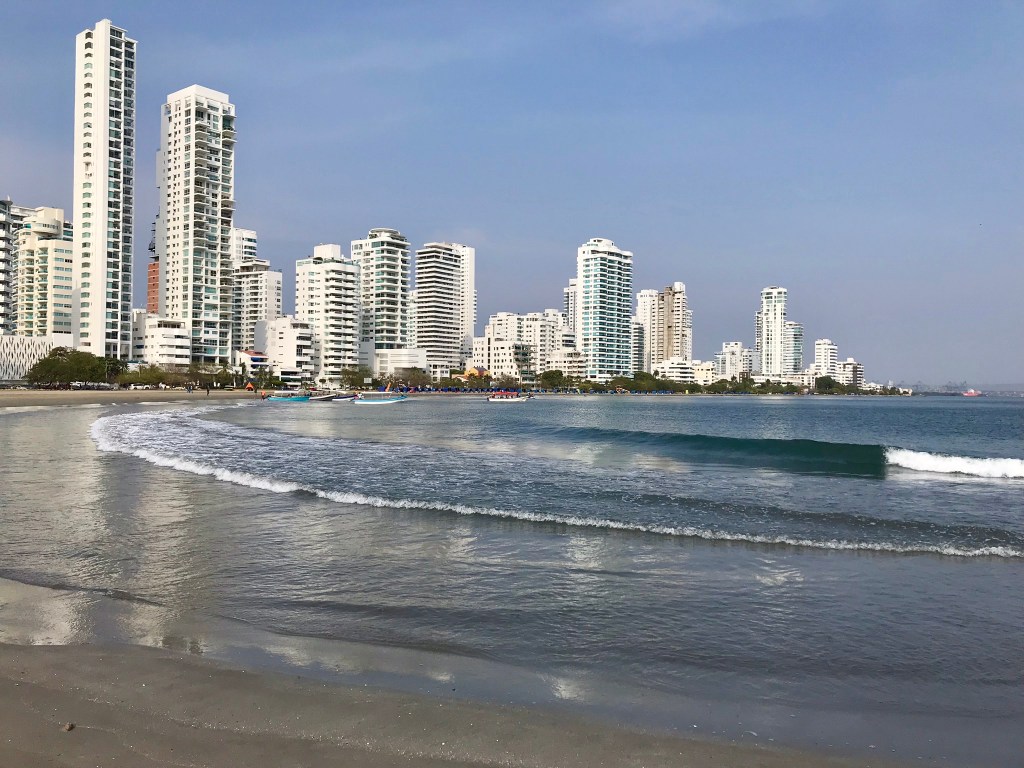
Worth mentioning is the Barrio Crespo. This middle-class residential neighborhood within close proximity the the airport is also close to Boquilla and Marabella beaches. The adjacent Parque Lineal offers a path along the ocean popular for running and walking, playing sports, or taking a dip in the ocean. The neighborhood also offers plenty of local restaurants and bars. We stayed in an Airbnb here our last night (I highly recommend Myriam’s place) and while for a first trip to Cartagena the Walled City was the perfect place to access all of the sites, for a return trip I would consider staying in Crespo. We stayed in an immaculately kept, comfortable apartment for less than half of what we paid in the historic center with easy access to local businesses, restaurants, and beaches for a less touristy experience.
What to do
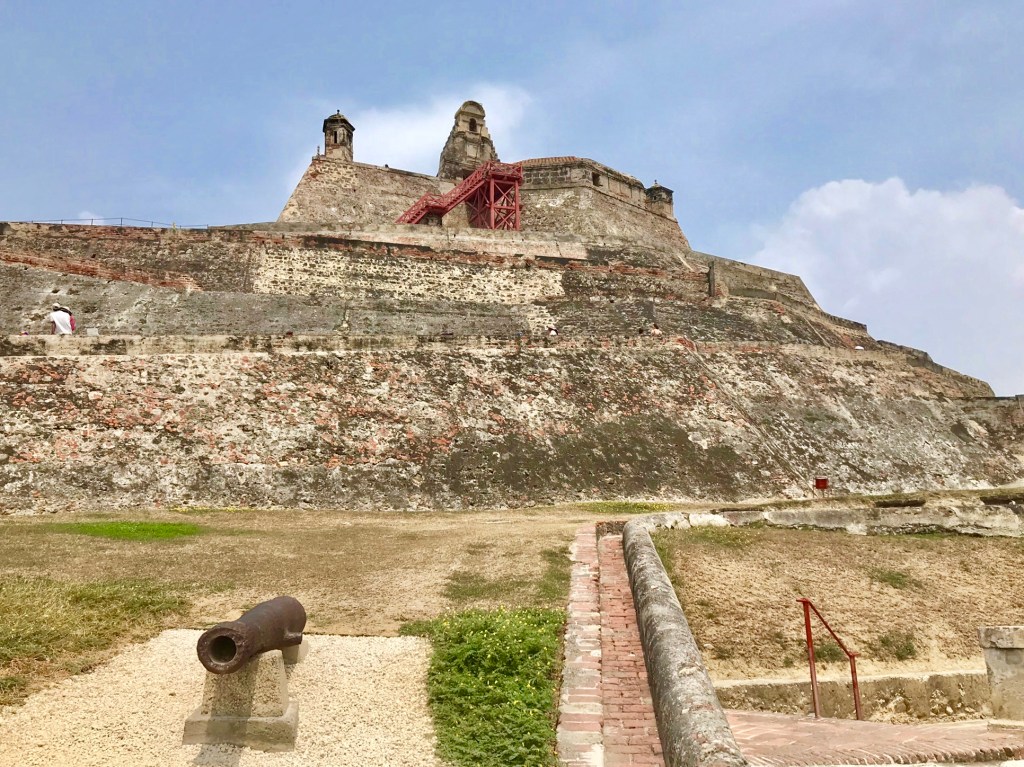
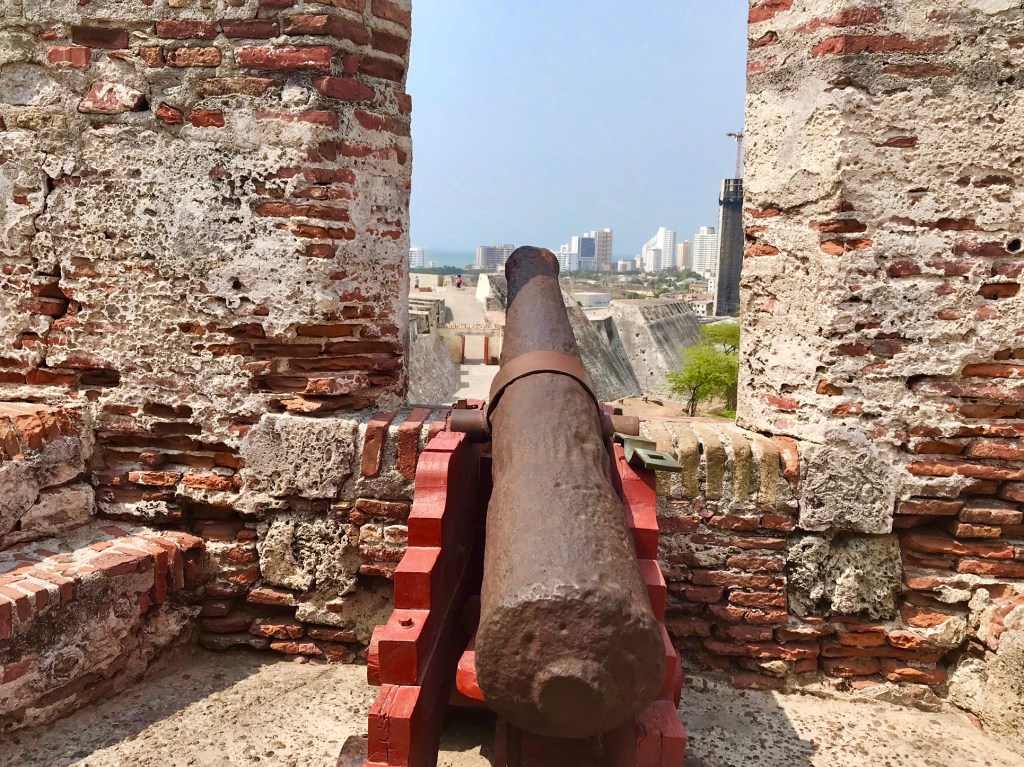
El Castillo de San Felipe de Barajas is an imposing 500 year old fortress built on a hill overlooking the Caribbean Sea. The fortress was built to protect this influential port city from attacks from pirates and foreign invaders. Explore its dark, winding tunnels while trekking to the top for amazing views of the city. The architecture and history of the largest fort in South America is impressive and well worth a visit. Just across the bridge from the Getsemaní neighborhood, it is a quick cab ride from the tourist areas. Across the street from El Castillo are some souvenir shops and a handful of restaurants for a refreshing drink and bite to eat after the hike to the top of the fort.
Music is an integral part of Colombian culture, and there is no shortage of places to immerse yourself in Cartagena’s vibrant music scene. Several venues offer live music and there are plenty of bars and clubs playing salsa and reggaeton into the morning hours. Havana Club is a famous, although a bit pricier, salsa venue with live bands nightly. Bazurto Social Club features live bands and the Cartagena-born type of dance and music called champeta. You can jump into the group dancing lessons, or book a private one. There are also a handful of other locales offering salsa tours and lessons.
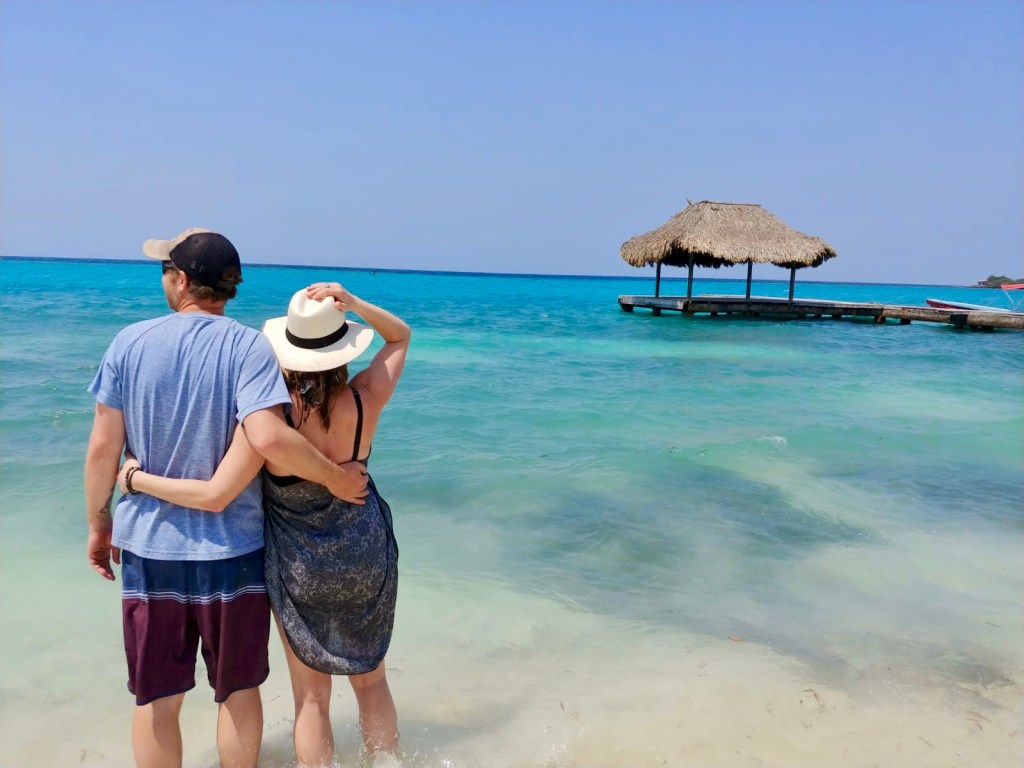
A visit to this part of Colombia is not complete without a trip to Rosario Islands. While the beaches of Cartagena are nice, the post-card perfect, crystal-clear, turquoise waters and palm-tree lined white sand beaches of the Rosario Islands are only a 90 minute boat ride away. We opted to spend a few days relaxing, sipping rum, and snorkeling on the gorgeous beaches of Isla Grande. If an overnight stay isn’t in your itinerary, most visitors to the islands are day-trippers, and there are plenty of day trip options to Isla Grande and other islands within this archipelago. You can visit the islands by doing a standard island-hopping tour, a day pass through an island resort, or a private boat excursion. Tour boats come and go from the tourist docks Muelle de Bodeguita by El Centro. There are lots of street salesmen and tour agencies here and in the city selling standard tours, but in my opinion if it is in your budget to book a day pass or private excursion that it is worth it. The tourist docks can be a bit overwhelming, and we were very thankful to have an easy and comfortable ferry ride pre-arranged through our accommodations. In addition to providing transportation to eco-resorts on Isla Grande, Luxury Trip also offers day trips to the island. Check out their tours, or check with your hotel or host for other tour options.
Food and drink
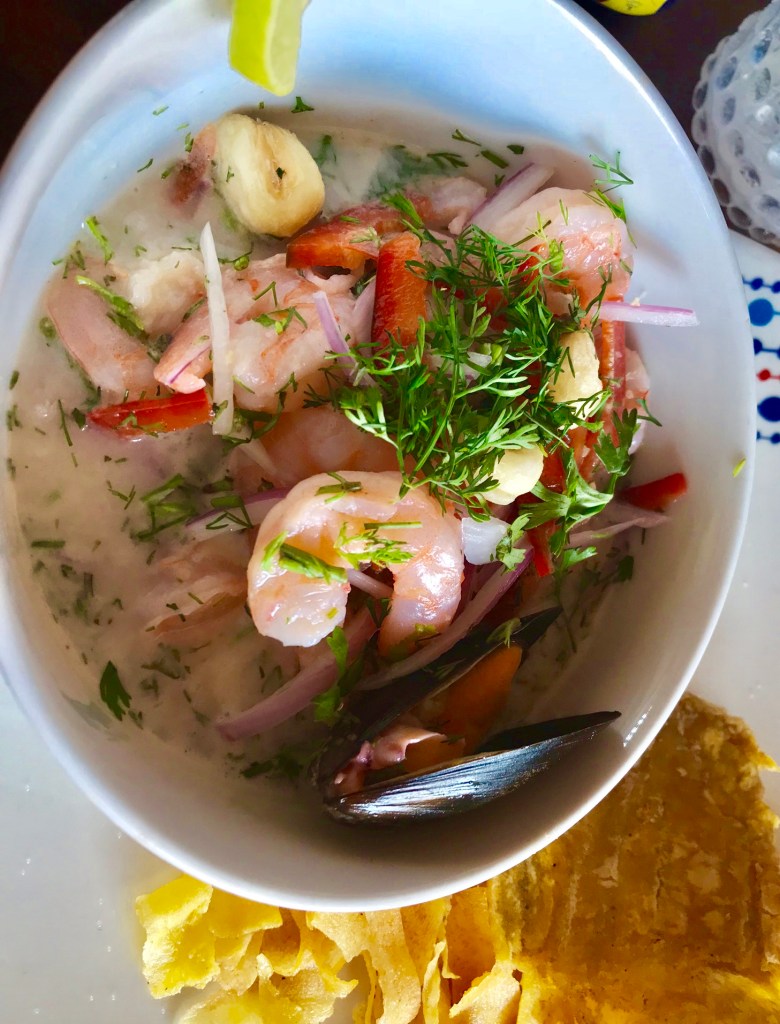
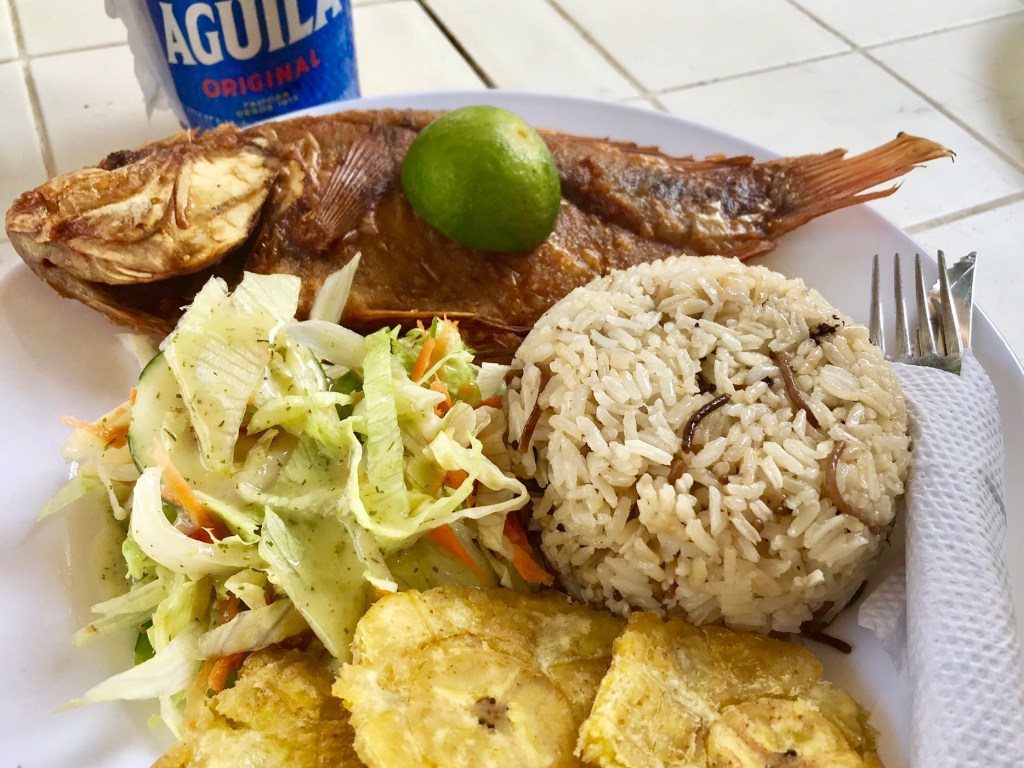
There are so many restaurants and delicious Caribbean dishes to try in Cartagena. Start your day with fresh tropical fruit and an arepa, a delicious corn cake often filled with cheese, eggs, or a variety of other fillings. For lunch or dinner, a very typical Colombian dish will consist of a protein (whole fried fish, chicken, or pork), rice, patacones (savory, fried plantains), and a side salad. Another favorite is ceviche, a refreshing, light dish consisting of lime marinated fish, shrimp or other seafood. Arroz de mariscos (seafood) or pollo (chicken) is a common dish somewhat similar to a Latin fried-rice. Another delicious seafood dish to try is Cazuela de Mariscos, a coconut milk seafood stew. If you’ve had your fill of seafood, there are some really amazing Argentinian paradillas (steakhouses). These paradillas can be a bit pricy, but we found a nondescript one serving up a variety of Argentinian style grilled meats and sausages accompanied by a delicious chimichurri sauce. It may have been the best grilled meat I’ve ever had.
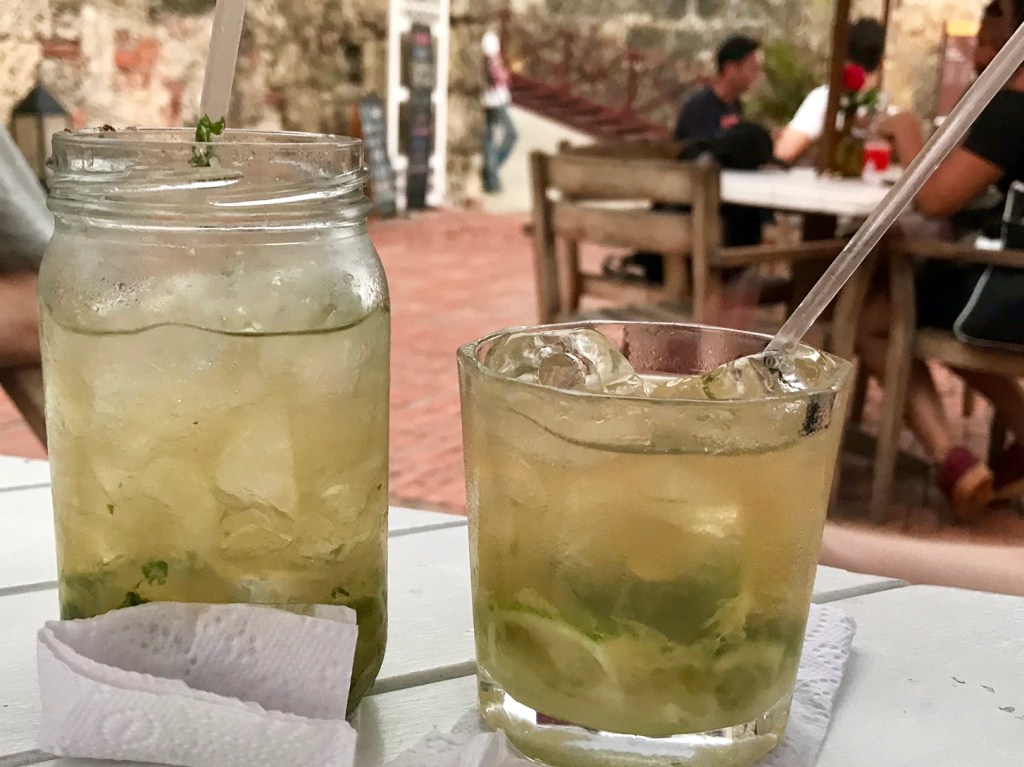
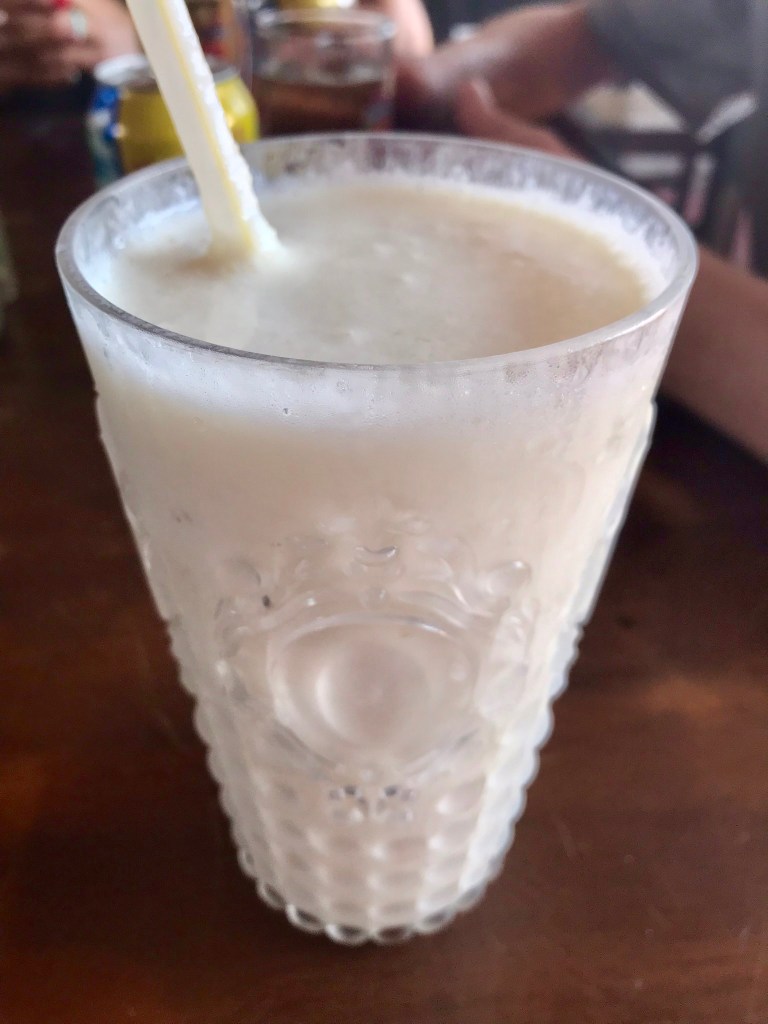
There are a lot of delicious libations in Cartagena, but rum drinks top the list. Enjoy a delicious Cuba libre, mojito or a caipirinha, similar to a mojito but made with cachaca, a Brazilian sugar-cane rum. If you need to hydrate, cool off with a refreshing limonada de coco, a coconut milk limeade. Then again, you’re on vacation, so you might is well ask for it with a trago (shot) of rum. Of course, you can’t visit Cartagena without enjoying the rich, Colombian coffee. Juan Valdez is the Starbucks of Colombia (but better!), and you will see Juan Valdez coffeeshops throughout the city and its coffee on grocery store shelves.
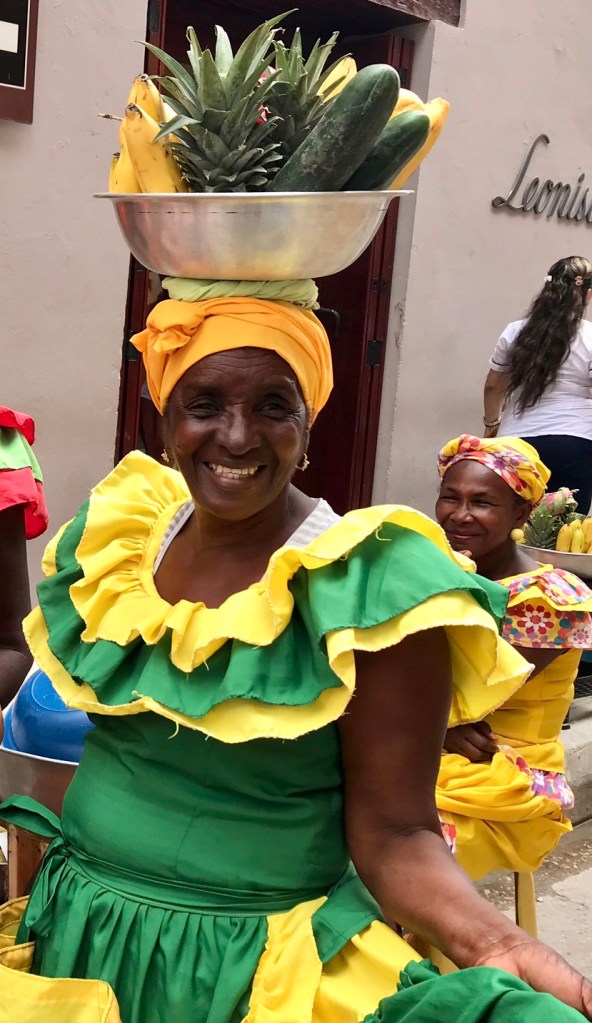
While in Cartagena you are sure to stumble upon the brightly dressed Palenqueras selling fruit throughout the historic district. These charismatic women balancing fruit baskets on their heads can also be frequently seen posing for tourist photos. Palenqueras originated in San Basilio de Palenque, a small, poor, village south of Cartagena that was the first slave-free town in the Americas. Cut off from most resources, the former slave-women of Palenque traveled by foot to Cartagena dressed in traditional African dresses to sell fruit from hand-woven baskets in the city. Today the Palenqueras continue to represent the area’s rich Afro-Carribean culture and history. While in Cartagena, I heard a tourist complain that a Palenquera had asked for money in return for a photograph, failing to understand that these women make a living not just by selling fruit but also posing for photographs. Buy a cup of fruit to support the traditional work of the Palenqueras, and they will be more than happy to smile generously for a snapshot. Plus, you’ll have a delicious, healthy treat to enjoy.
Getting Around
If you stay within the Walled City or the Getsemaní barrio, you can easily access just about everything but the beaches on foot. However, if you are traveling outside of these areas, staying in the beach areas, or need a lift to and from the airport, taxis are abundantly available and very inexpensive. Make sure to negotiate a price (in pesos!) before you agree to a ride, and do not be afraid to haggle if you feel you are being overcharged. Taxi drivers will notoriously try to overcharge you. One of their favorite moves is to tell you the price in pesos, then at the end of the ride act as though the agreed price was in dollars. This happened to us almost every time we took a cab, but we held firm and never ended up paying more than the agreed price. Confirm what currency you are talking about before agreeing to the ride, and hold firm when paying. Hustling is just part of the culture in Cartagena, but its people are friendly and if you embrace the hustle, you’ll love the warmth of this Caribbean city.
 Travel En Vivo