Over 35 million Americans visited Mexico in 2018, yet few venture outside of Mexico’s resorts. I can certainly appreciate the allure of lounging poolside, margarita in hand, not a care in the world. However, limiting yourself to the confines of the resort walls is like limiting yourself to one type of taco. Why stick to chicken when there’s al pastor, shrimp, fish, carnitas and asada just around the corner? Mexico is a country rich in culture, history, culinary traditions and beauty. Step outside the all-inclusive and see what Cabo’s all about.
Los Cabos
Los Cabos refers to the city of Cabo San Lucas at the very southern tip of the Baja peninsula, San Jose del Cabo 20 miles to the north, and the Los Cabos Tourist Corridor that runs between the two cities. Cabo San Lucas was a small fishing village until tourism hit in the 1970s leading to rapid growth of the once sleepy village. San Lucas caters to the cruise ship and tourist crowd with packed beaches, chic stores, pricey restaurants and plenty of bars and nightlife. A short drive northeast along the Gulf of California will take you through the Tourist Corridor. This strip along Highway 1 will take you past elaborate resorts hosting all-inclusive packages along beautiful, but un-swimmable beaches. Past the corridor, you’ll find yourself in San José del Cabo. This historic town founded by Jesuit missionaries in 1730 provides a decidedly more tranquil, artsy and authentic feel than its raucous and glitzy neighbor to the south. Staying in San José is not only less expensive, but it also provides the opportunity to explore it’s colonial architecture, art scene, access to beautiful beaches, and delicious food.
Arts and culture
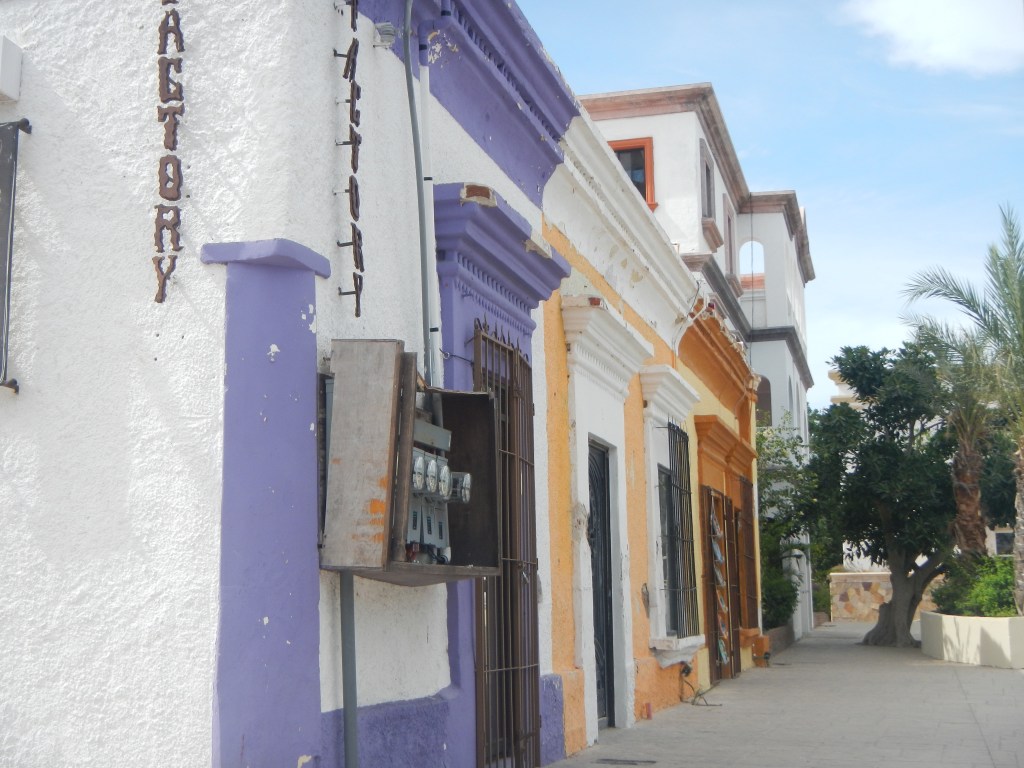
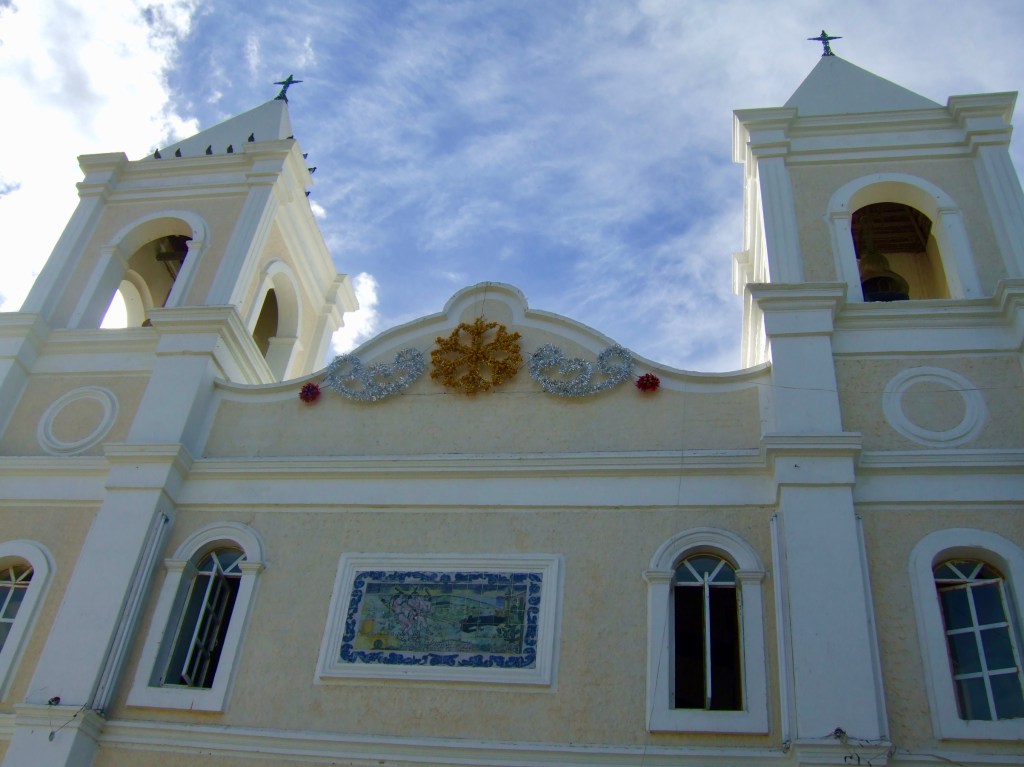
Start exploring San José by wandering the historic streets of the Centro Historico. At the center of this district is the Misión de San Jose del Cabo Anuiti, which was founded in 1730. Adjascent to the Mission is Plaza Mijares, the main town square and popular gathering spot for tourists and locals. The Plaza is a great jumping off point to discover the restaurants, shops and galleries of the historic area. San José is full of unique shops with everything from souvenirs, local art, pottery, and jewelry, to tequila tasting and Mexican liqueurs. Check out the Thursday night Art Walk 5-9 pm every Thursday November through June featuring art from local, national and international artists. Connect with local artists and shop owners while enjoying food, drinks and music.
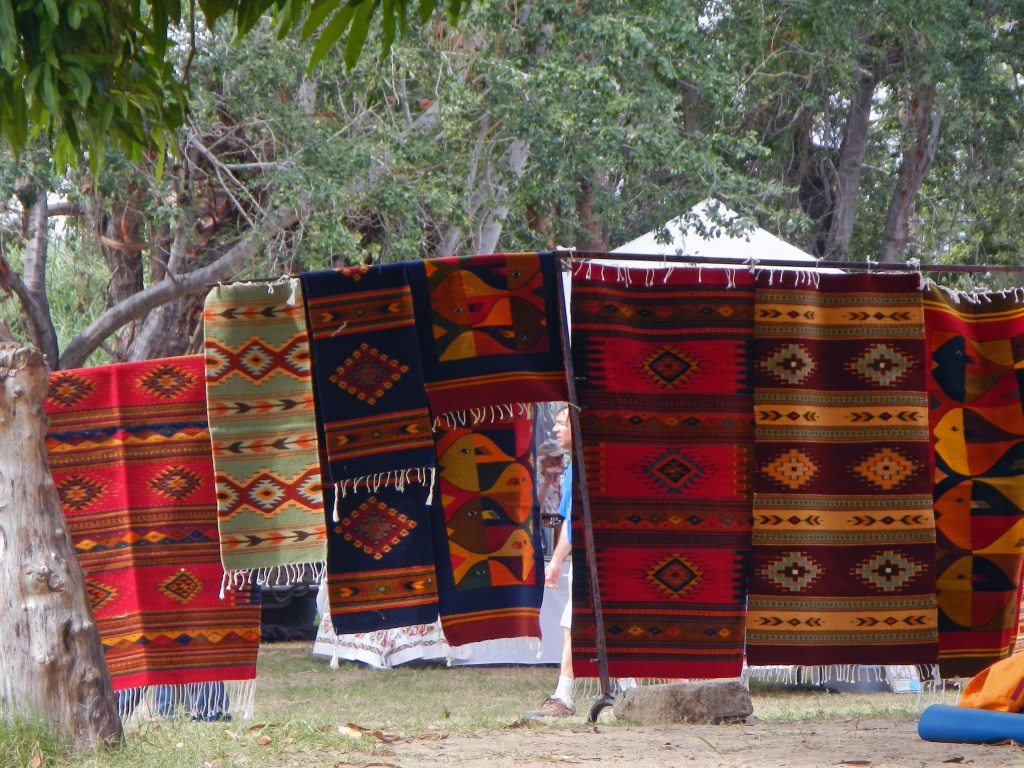
For a taste of fresh, local produce visit the Mercado Orgánico San José (Organic Market) Saturdays from 9 am to 3 pm. In addition to organic produce, the market features local arts and crafts, music and food vendors. Make sure to try to empanadas! The market is located just outside of downtown at Huerta María, on the way to Las Animas. Look for the Mercado Organico signs to guide the way.
Activities
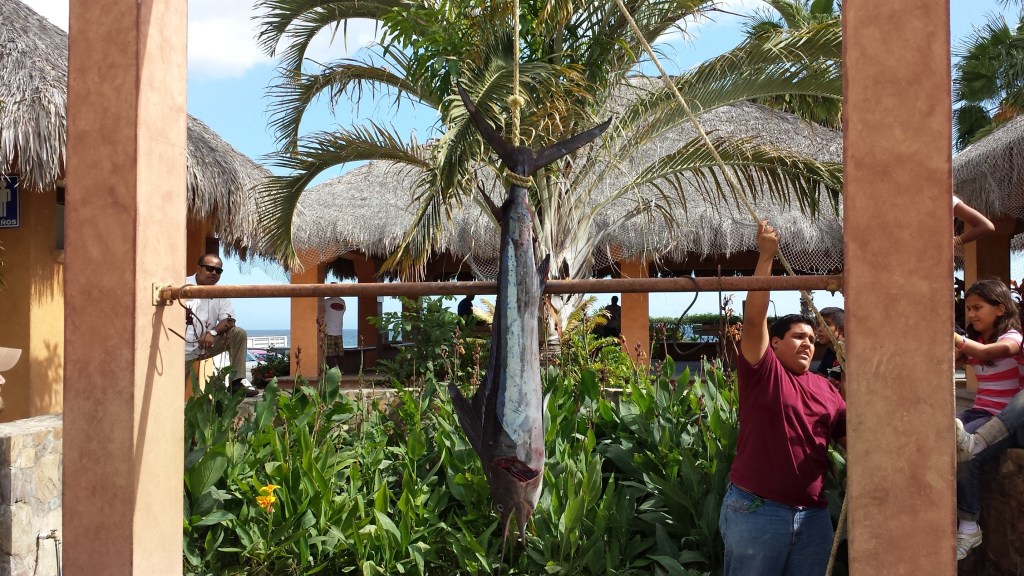
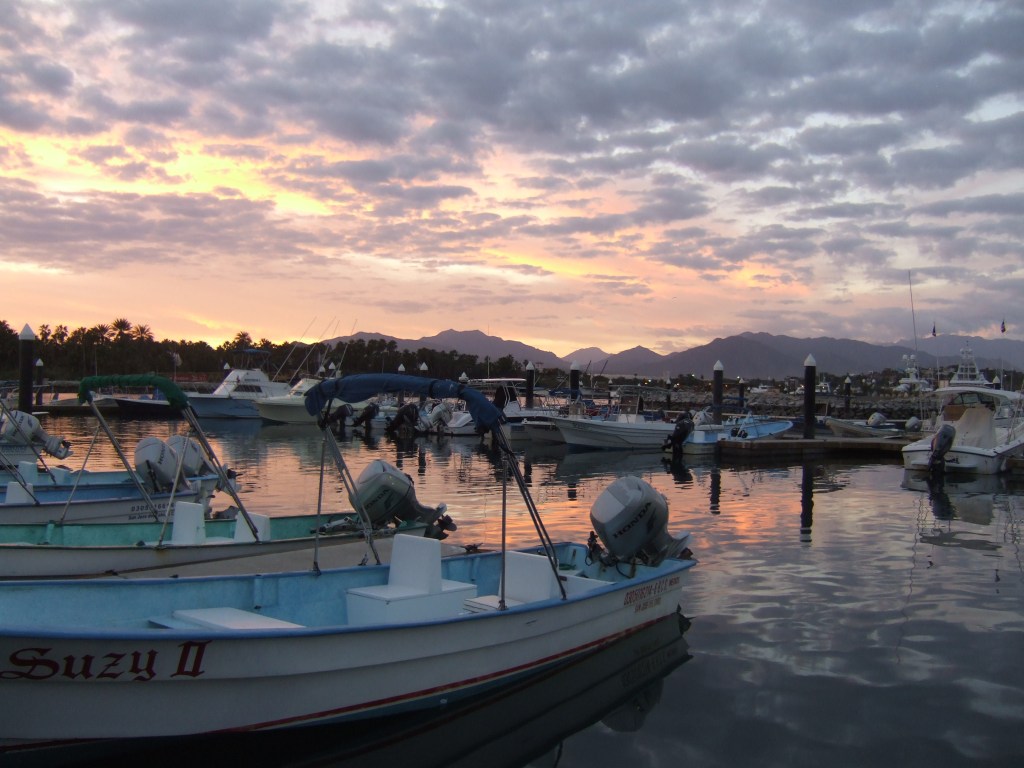
Cabo is know for its sportfishing, and anglers can bring in some bountiful catches including marlin and tuna. Sportfishing trips are much cheaper out of the Marina Puerto Los Cabos in Playita than from the marina in Cabo San Lucas. Your hotel should be able to help set up an excursion, or reservations can be made online at Gordo Banks Pangas, which has been operating out of Playita for years. Or, simply go down the the marina and ask local fishermen about fishing trips. It is not hard to find a local to take you out on their panga, a typical 22-26 foot fishing boat. At less than $300 (per boat, not person) for a 6 hour trip, pangas are by far the most economical option for getting out on the open water. You will be provided with equipment and bait and as much of your fresh catch as you care to take home.
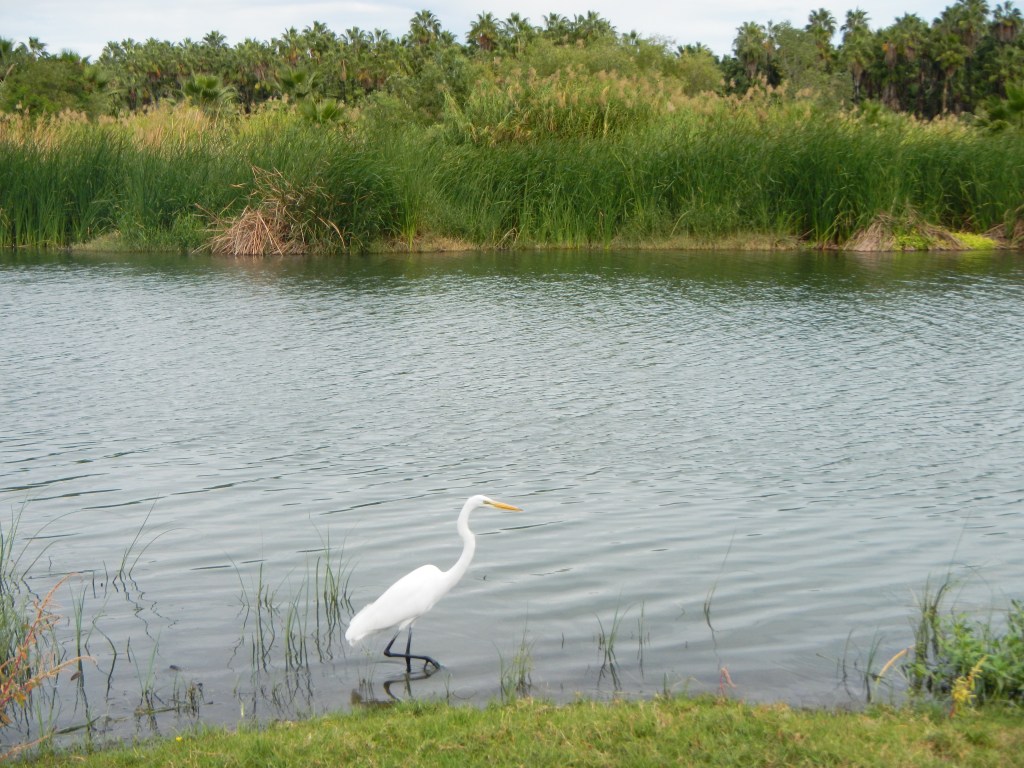
For a peaceful stroll, visit the San Jose Estuary. There is a walkway that winds along this tropical estuary where the freshwater of the Rio San José meets the ocean. The estuary experienced significant damage from the hurricane of 2014, but it is recuperating and a great place for bird watching and a quiet walk.
Beaches and snorkeling
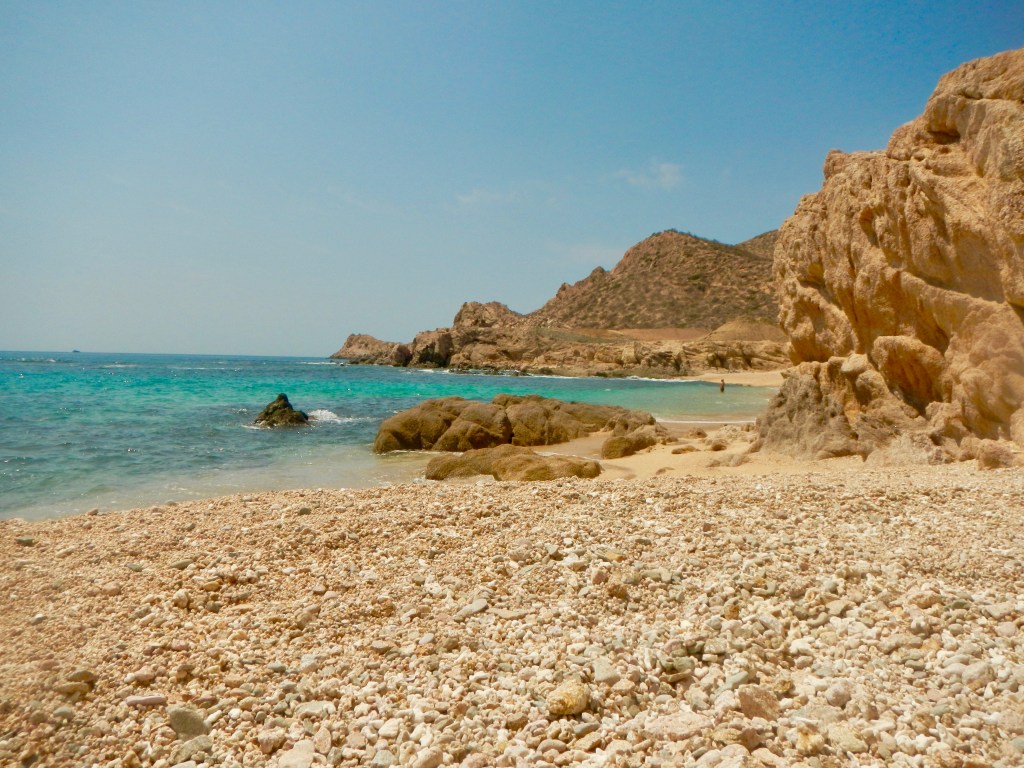
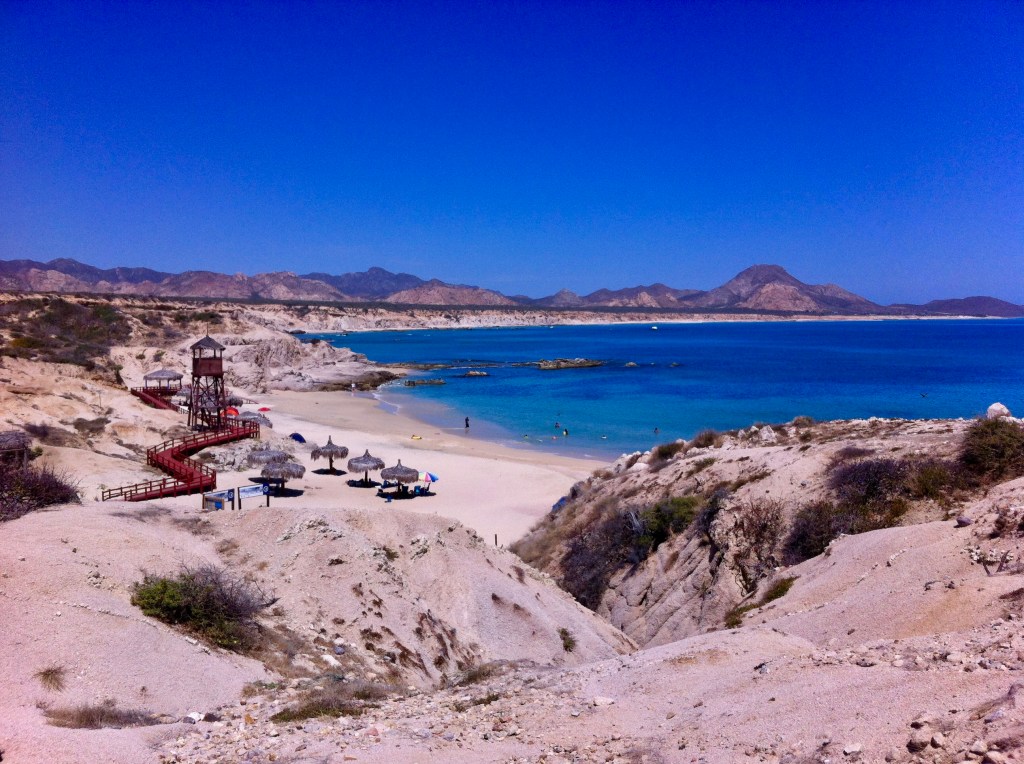
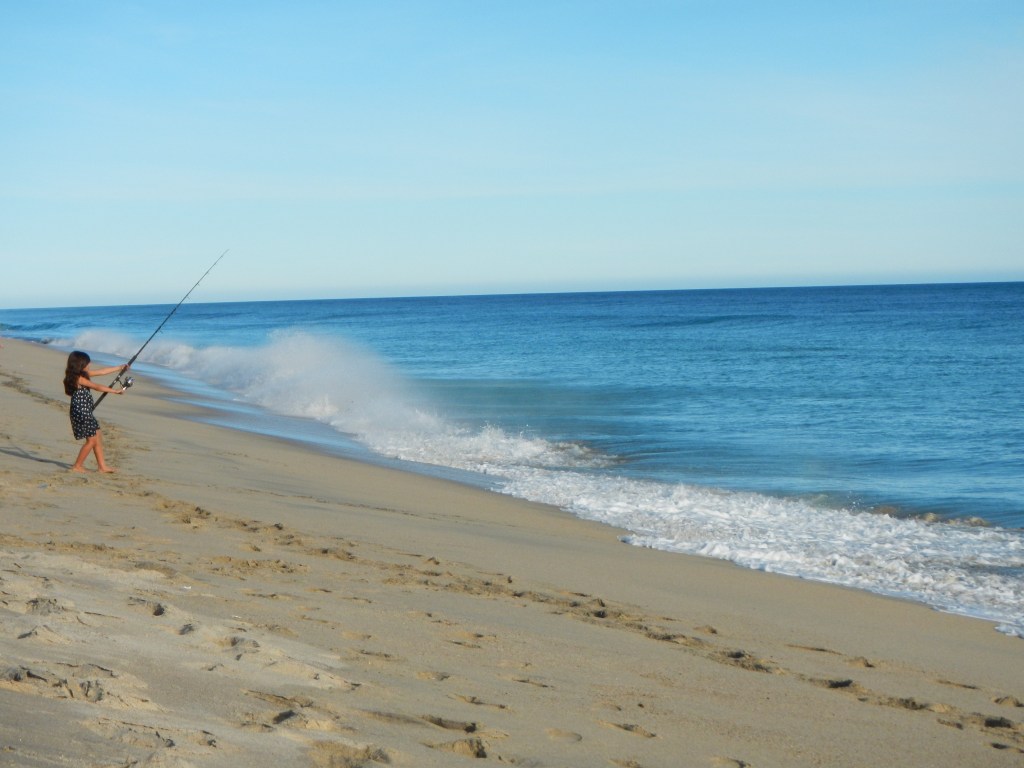
Ok, so the real reason to visit Los Cabos is without a doubt las playas. The stunning shoreline of the Baja Peninsula is unparalleled. Rocky outcroppings, golden sand beaches, and crystal clear waters make Cabo home to some of the most beautiful beaches in Mexico. Many of the beaches in Cabo San Lucas are either packed with people or charge daily resort access fees. Much of the coastline along the tourist corridor has a strong current and is dangerous for swimming. Look for a steep decline from the beach into the ocean as a tell-tale sign of a strong undertow. There are some surfing beaches and surf breaks along this stretch, although not recommended for beginners. For surfing info, or to just grab a beer and watch the surfers, stop by Zipper’s at Costa Azul. If surfing’s not your thing, there are several coves along the Sea of Cortez side of the peninsula that provide calm waters safe for swimming and a haven for tropical fish darting through the coral. In these protected bays you will find sandy beaches and amazing snorkeling with remarkable visibility.
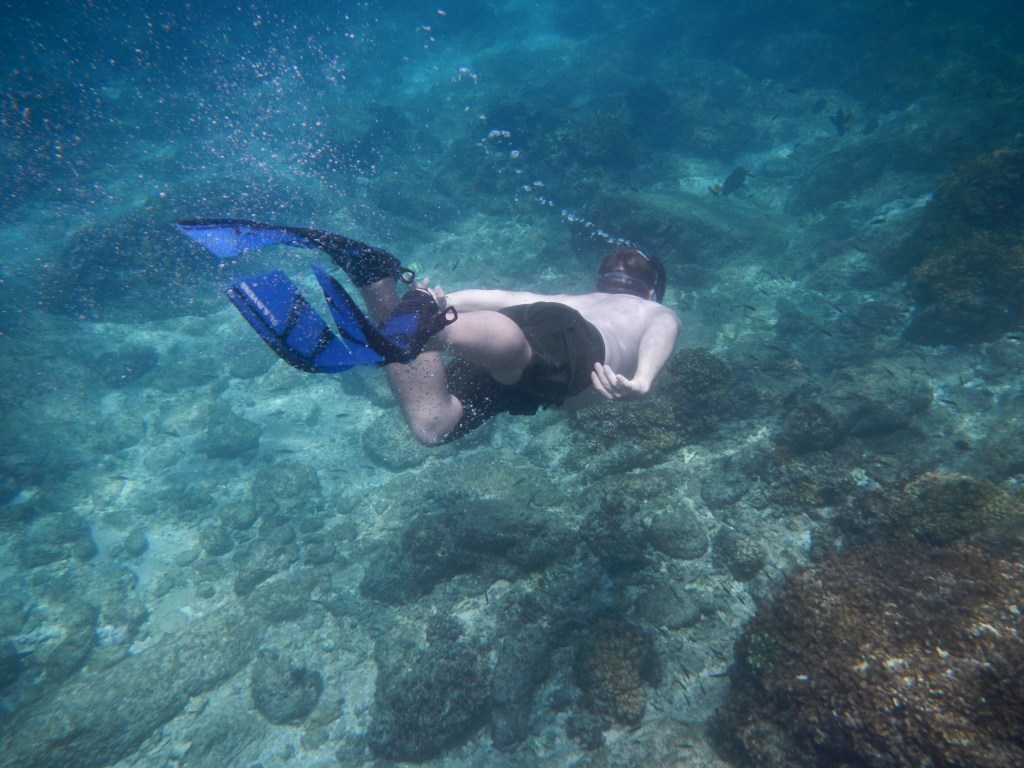
Playa Chileno in Chileno Bay is my preferred beach for snorkeling. Located off Hwy 1, this beach is popular with local families, and it has ample parking and restrooms. A short walkway will take you down to the beach. For the best snorkeling, swim out and around the rocky outcropping on the righthand side of the beach. Before the recent construction of the Chileno Bay Resort, you could find two smaller coves by walking up and over the rocky outcropping. The resort may now limit access to these smaller beaches, but it’s worth a try!
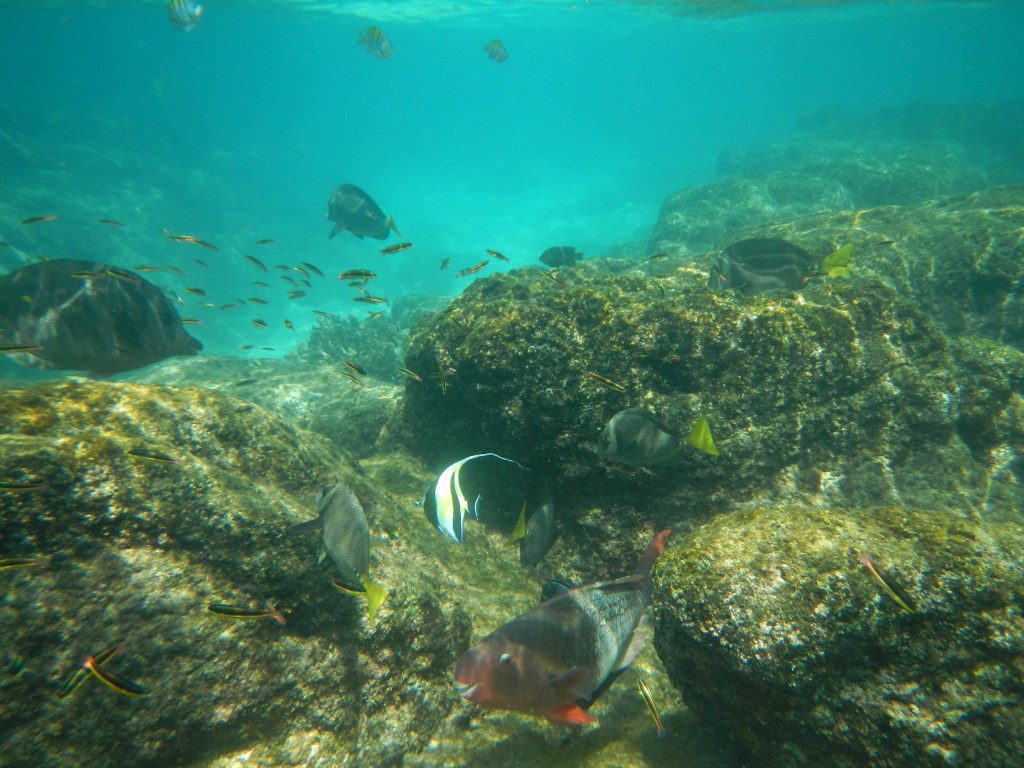
Another beautiful beach for snorkeling and swimming is Playa Santa Maria. This horseshoe shaped cove flanked by rocky outcroppings on either side offers calm, clear waters. The best snorkeling is along the rocky outcroppings on the right side of the beach. Finally, another gem for swimming, snorkeling and sunbathing is Playa Palmilla. You must drive through the Palmilla Resort to find the small parking area for this beach. Don’t worry, while it may seem that the beach is for resort-goers and residents only, it is a public beach. Finally, one of the closest beaches to San José del Cabo is adjacent to the Puerto Los Cabos Marina in Playita. The Marina offers a small protected beach great for kids and favored by locals. Whichever beach you choose, make sure to keep an eye out for the whales that migrate to these warmer waters during the winter months.
Where to eat
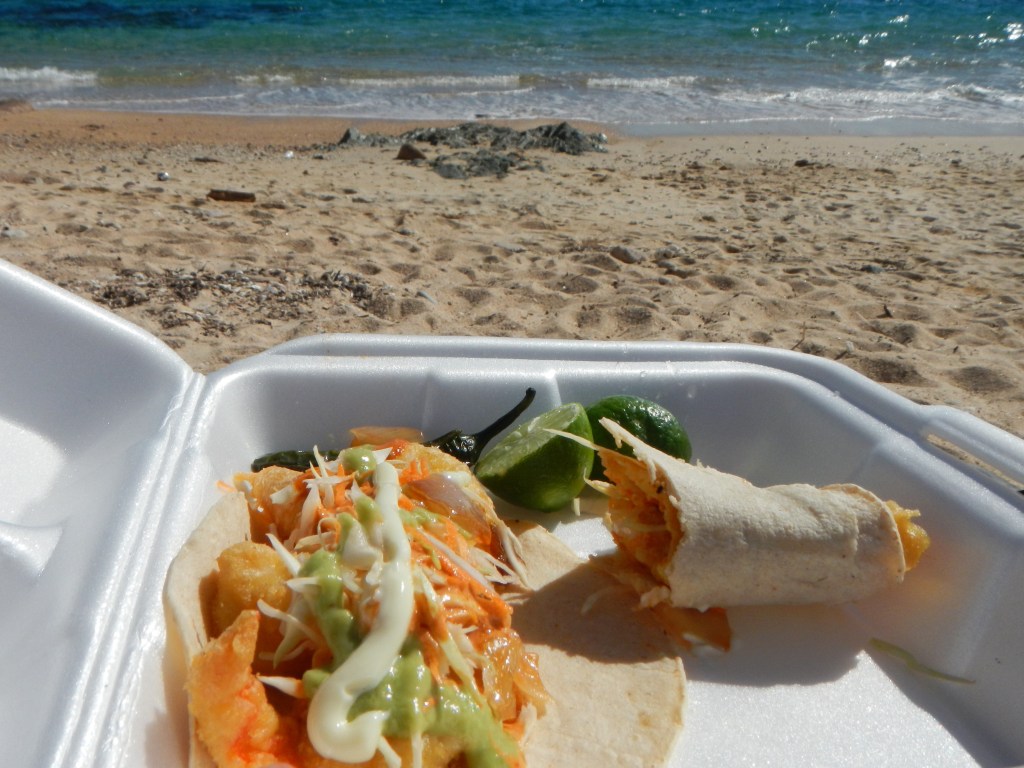
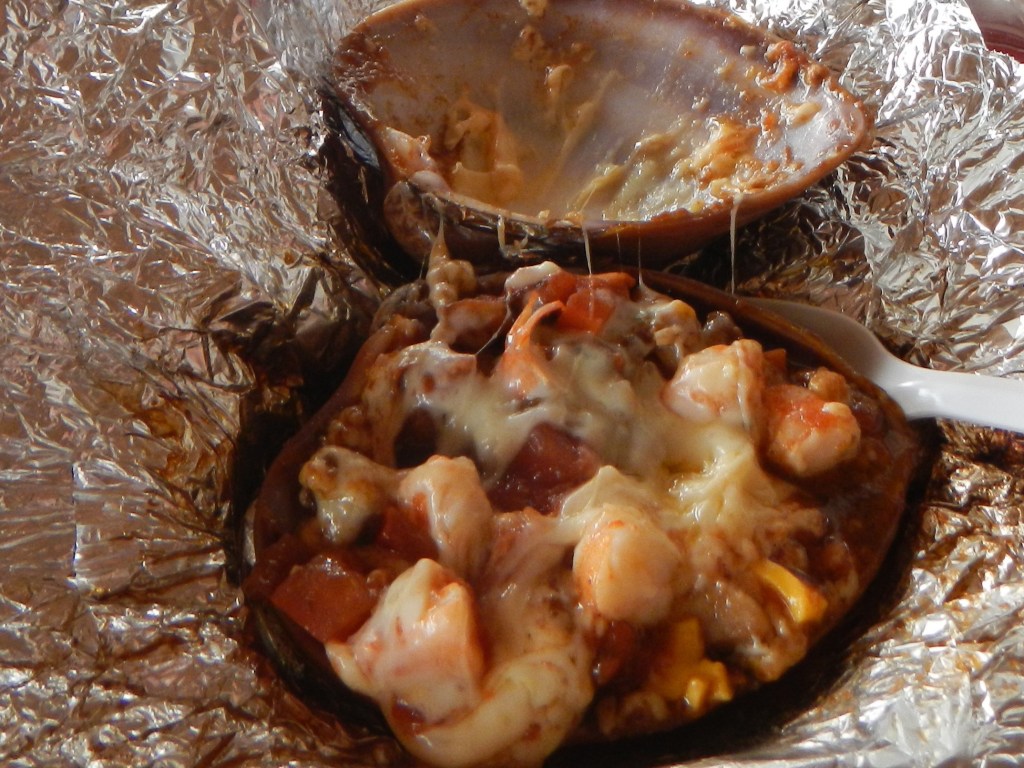
No place does seafood tacos quite like Baja. There is nothing more delicious than fresh ocean fish wrapped in a corn tortilla, topped with slaw, then drizzled with salsa and that weird Mexican mayonnaise mixture. Preferably from a beach-side taco truck. When in San José, make sure to check out Tacos Rossy. This small, bustling brick and mortar establishment started out as a taco truck and is the place to go for seafood tacos. Sample a variety of seafood favorites, including fish, shrimp, pulpo (octopus), scallops and clams. Smoked marlin is a typical taco in Baja, and if you like smoked fish it’s a must try. Man sure to load up your tacos with all of the delicious toppings from the extensive salsa bar. Another delicious spot for seafood is Taqueria Mexico. This restaurant serves up both seafood and non-seafood dishes. Try their stuffed almejas (clams) and house-made sangria.
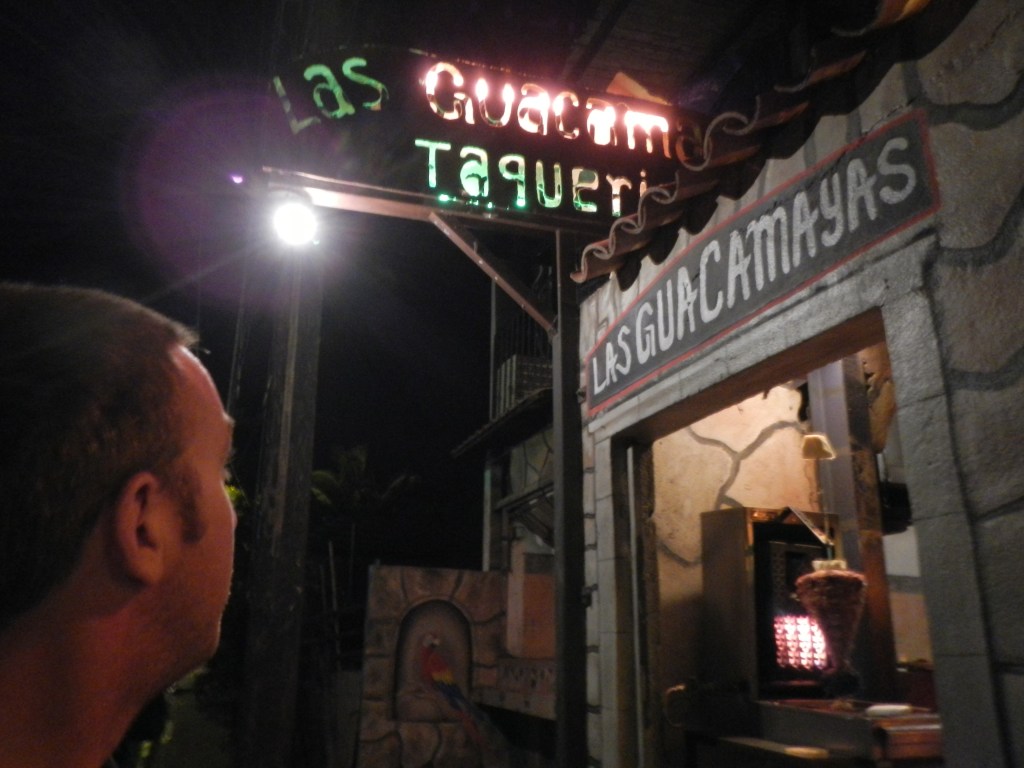
If you’ve gotten your fill of seafood and are looking to try some authentic traditional dishes in a lively atmosphere, check out Las Guacamayas. The restaurant opens up into a festively decorated courtyard with a full bar and live music on busy evenings. Stick to the classics like tacos al pastor, or step outside the box and try a quesadilla de huitlacoche. This “Mexican truffle” is a fungus that grows on organic corn, and is considered a delicacy. If salsas are your thing, you can not miss Hangman. This eclectically decorated restaurant serves its meals with an extensive array of salsas, guacamoles, and pickled accoutrements. Finally, for a traditional, local, no-frills taco joint, check out Taqueria El Fogon. You’ll smell the pastor spit from blocks away. Pull up a plastic chair and enjoy a cerveza with typical Mexican comfort food. You will have to venture outside of the Centro Historico for some of these restaurants, but not far. Check out google maps for locations.
Where to Stay
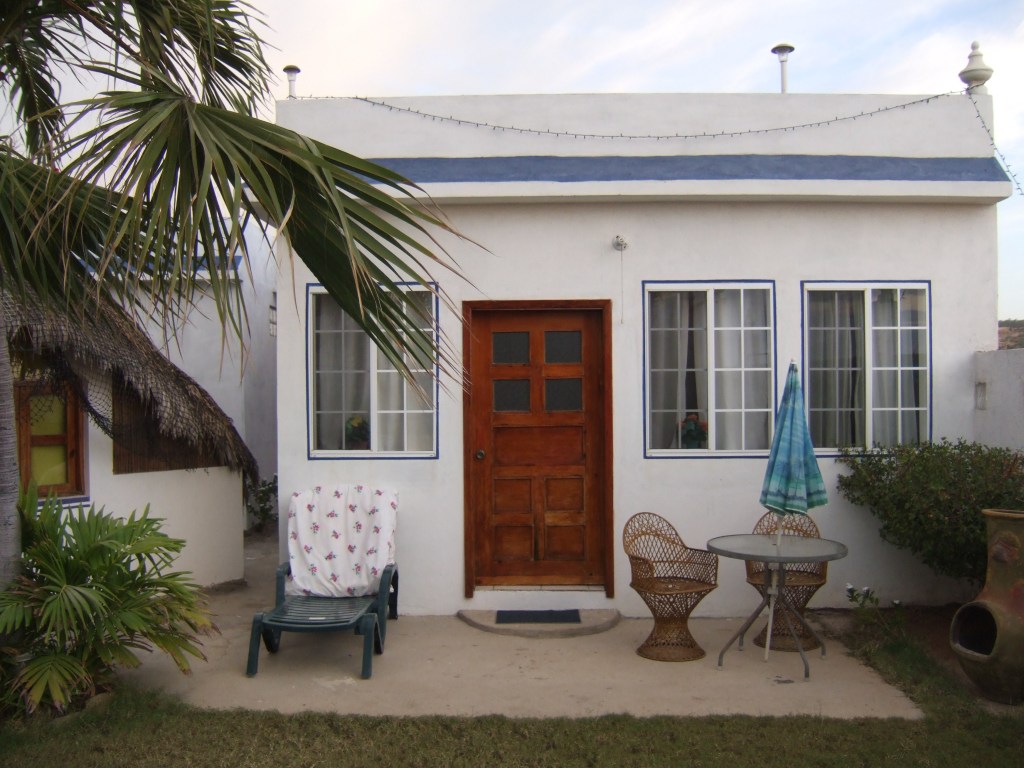
When visiting Cabo we always stay at El Delfin Blanco in Playita. Playita is a small, tranquil village about a mile outside of San José. It is nestled along a beautiful sand beach that you can walk for miles. The beach near the marina is protected and safe for swimming and is popular weekend hang-out spot for locals. If staying in La Playita, do not expect a five-star resort with all of the amenities. Instead, anticipate an authentic and relaxed village away from the throngs of tourists. El Delfin Blanco provides comfortable, clean, modest and reasonably priced cabanas and casitas right across from the beach. The well-maintained grounds offer hammocks, rooftop decks with views of the ocean, and an outdoor kitchen. The hospitable owner will set up excursions and provide recommendations on how to best explore and enjoy the area. You can even request her home-made Swedish crepes and mango chutney for breakfast. Another option worth checking out in La Playita is La Marina Inn which is a little more pricey, but offers a pool and on-site restaurant. Playita is a relaxing location on the beach that offers easy access to the marina, a couple of tasty dining options, and a couple of convenience stores. The downside of staying in Playita is that in order to explore San José you will want to rent a car, or you need to be willing to either walk the mile to town, take the local bus, or use a ride share.
If you’d rather stay in town, San José has several boutique hotels right in the heart of the arts district. Tropicana Inn provides clean, simple rooms with a beautiful courtyard and pool. If you’re on a tight budget, Hotel Posada Señor Mañana is a charming budget hotel in an excellent in-town location near the main square.
Getting there and around
We have driven the length of the Baja to Cabo, crossing the border at Tecate. It is a breathtaking but long drive through the desert with lots of potholes en route. If like most visitors you are flying into Los Cabos International Airport, getting to San José del Cabo from the airport is a breeze. San José is a straight shot down Highway 1, approximately 15 minutes from the airport. Taxis and ride shares are plentiful at the airport. However, renting a car is recommended as it makes it easier to cruise around, check out different beaches and restaurants, or take a day trip up the coast. Driving around the Los Cabos area is pretty straightforward, even for a gringo. Nevertheless, if you don’t want to deal with renting a car or driving, the historic area of San José is very walkable. Also, cabs are reasonable and will even drop you off at a location, like the beach, and then pick you up at a designated time. Uber and Lyft are also available in the Los Cabos. Regardless of how you choose to get around, the Cabo area has so much to experience outside of the resorts, so get out and explore!
 Travel En Vivo