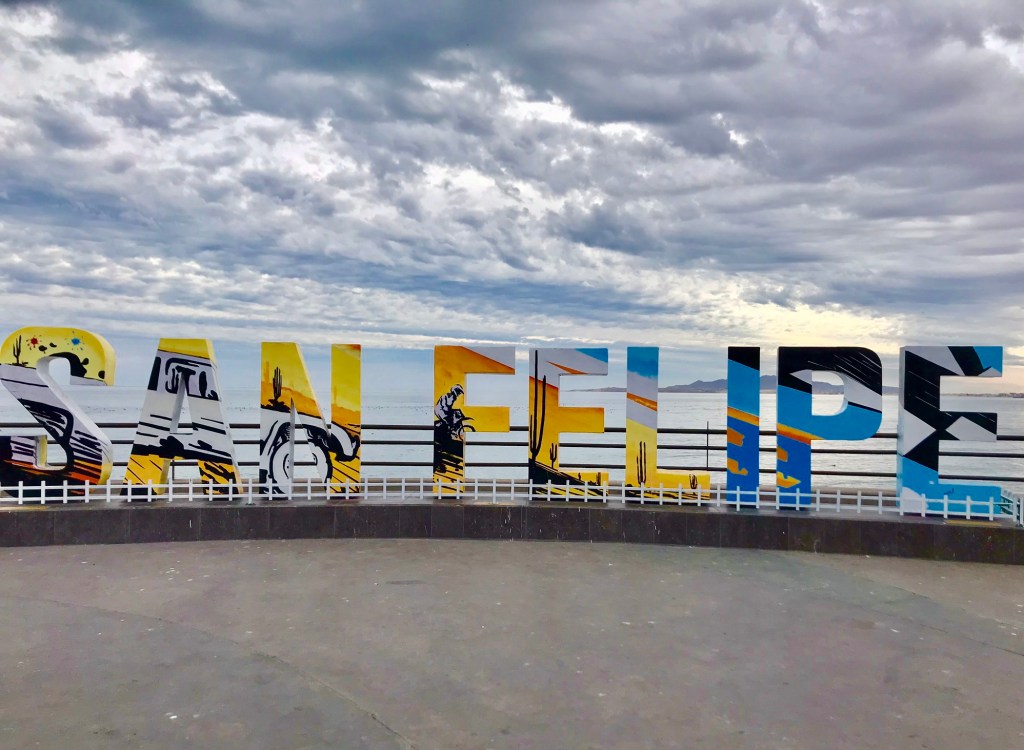
Miles of rugged desert stretches between the bustling tourist towns of the Baja peninsula’s northern Pacific coast and the glamorous resorts of Cabo to the south. In between, the isolated pueblos along cactus lined highways spanning the 800 mile long peninsula almost exude a Wild West vibe. San Felipe is no different. Despite its tourist draw, this Baja California Norte fishing town on the Sea of Cortez is still a little rough and tumble.
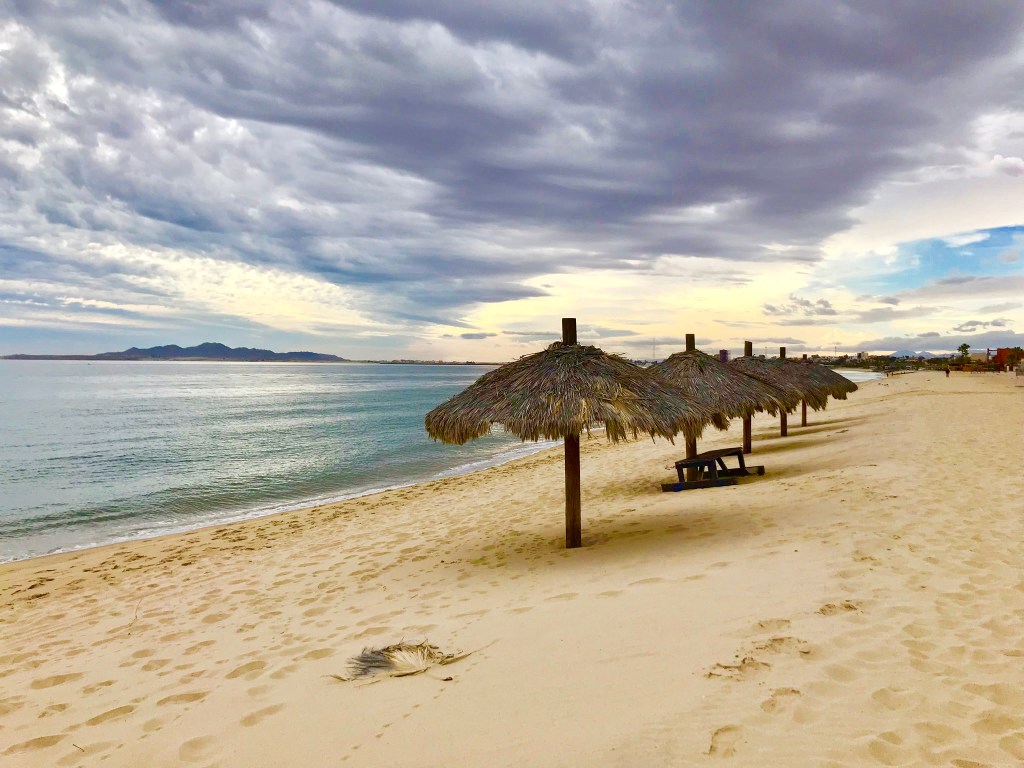
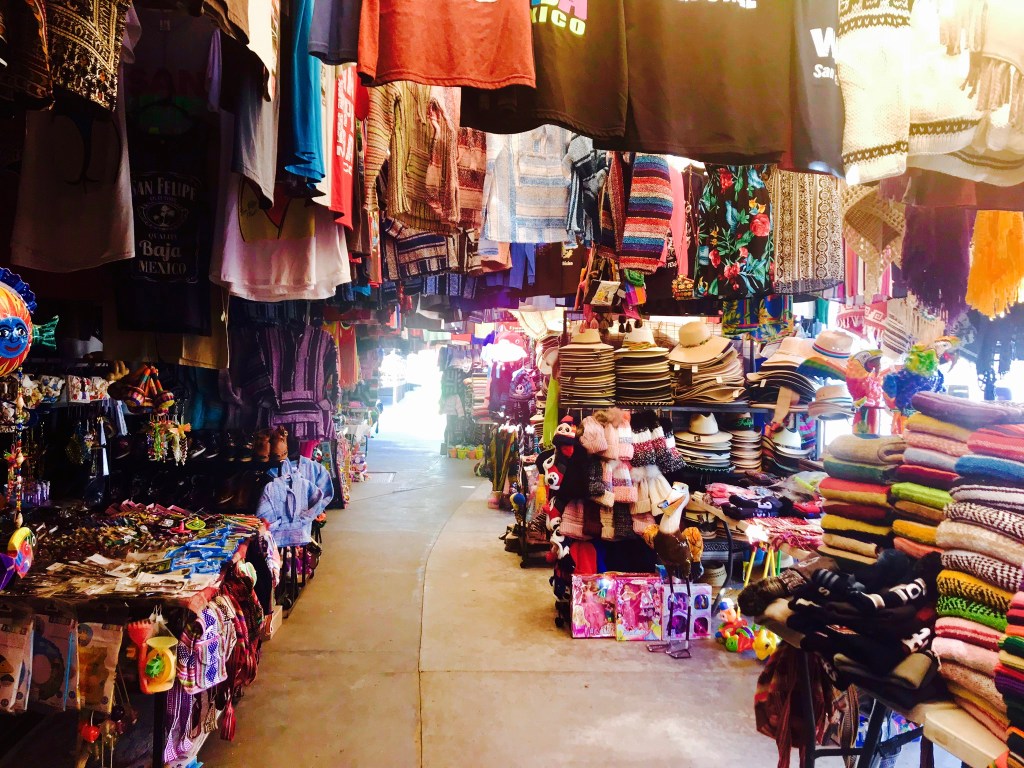
Sunny skies and miles of beautiful sand beach stretching along the Sea of Cortez make San Felipe a popular winter destination for American and Canadian ex-pats, and a weekend get-away from Arizona, California and the Mexican border cities of Mexicali and Tijuana. Once a sleepy fishing village, this town of around 20,000 with a propensity toward tourism still exudes a laid-back, non-pretentious, fishing village feel. The Malecón boardwalk is the heart of tourism in San Felipe, overlooking the dazzling blue Sea of Cortez and lined with seafood restaurants and souvenir shops. With its close proximity to the U.S., English is heavily spoken and dollars are accepted in most tourist businesses. Yet still, San Felipe is unequivocally a Mexican Baja town.
In the evenings cars cruise the strip along the Malecón, and locals drink beers on the beach wall watching trucks rip across the sand towing fishing boats from the sea, no ramps or docks needed. Families stroll the walkway enjoying freshly fried churros and snacks of elote. Street dogs rummage through garbage sniffing out scraps for a bite to eat. A couple of blocks from the seashore, taco stands fire up their pastor spits for evening bites. On our first visit we stay in the center of town, up the hill from the Sea. Starting promptly at 8 in the morning the old man across the street blares Mariachi music all day for no one but his dogs. Cars circle the neighborhood with loud speakers blasting advertisements for tamales and champuraddo for sale fresh out the trunk. I’m not sure if the trailer on the property behind us is a junkyard or someone’s home (although by the end of the week I’ve decided on home). Rubbish blows through neglected empty lots. Yep, this is Baja, and for better or worse, I love it.
What to do
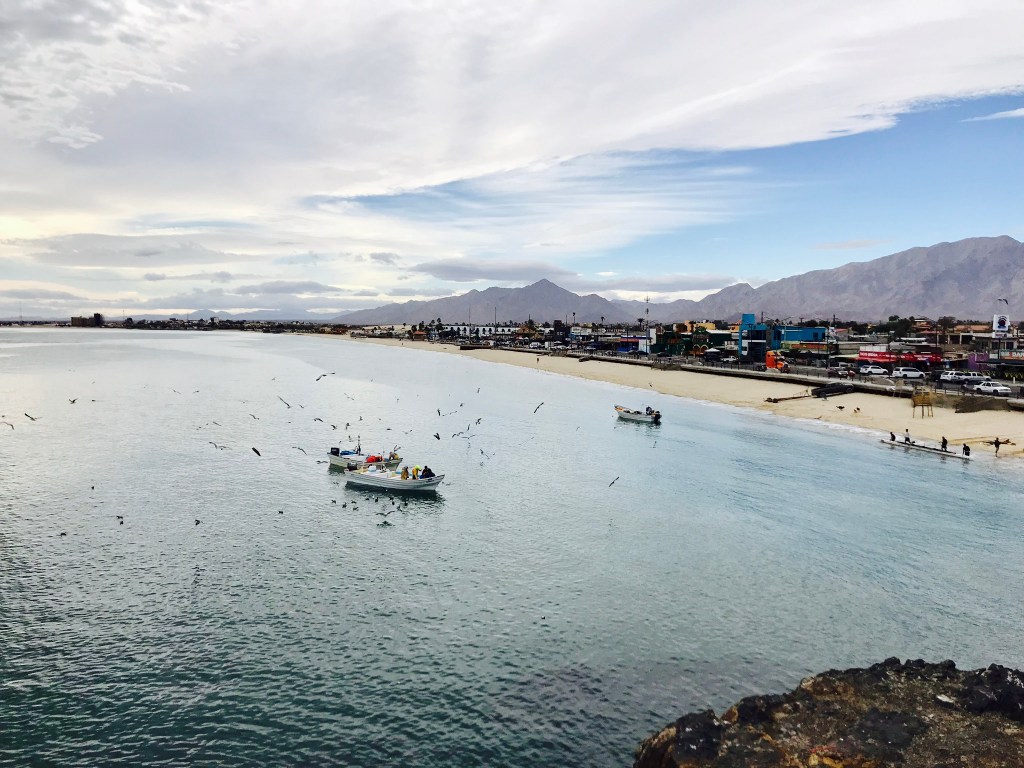
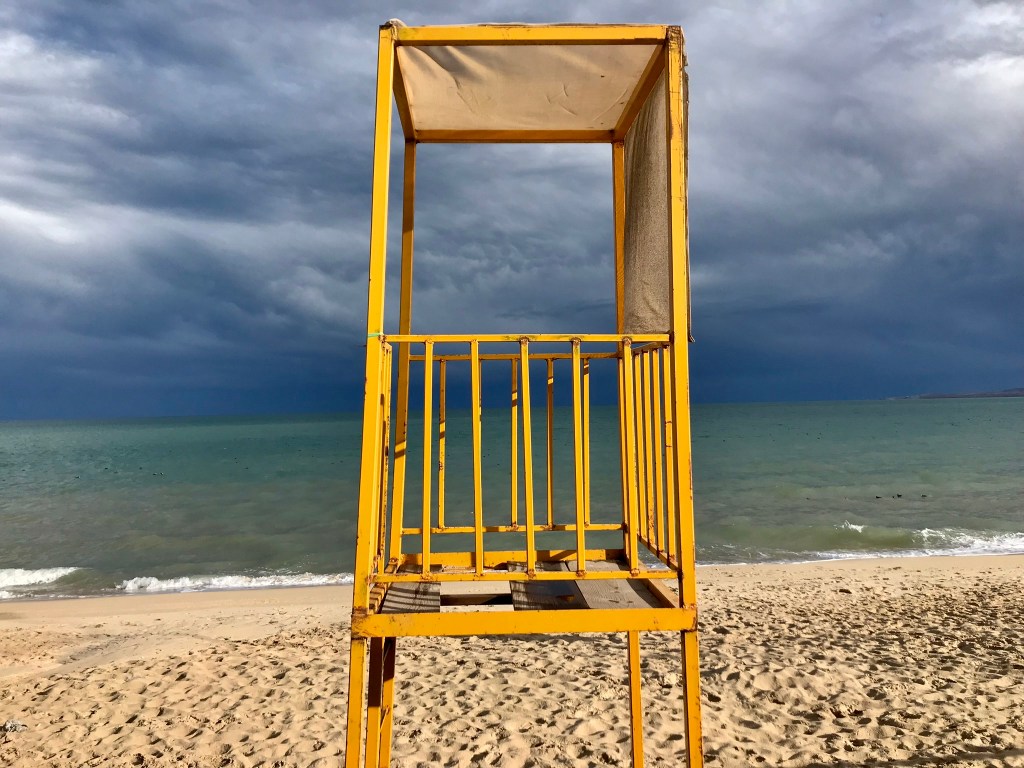
In December there are few tourists other than snowbirds and the town is relatively quiet, but we are told that during Semana Santa (Easter Week) and during the Baja 250 race in March the town is packed. The beaches along this stretch of coastline seem endless and are no doubt an enticing draw. During our winter visit, we can do no more than dip our toes in. Yet, despite the cooler winter weather, we are more than content walking along the cool, smooth sand collecting sea shells and watching the fishing boats come in with their day’s catch. During our return visit in October we are rewarded with perfect beach weather, sunny skies, and warm water temperatures perfect for lazing the day away on the warm sand, swimming, and watching the tides roll in and out. Summer and fall bring quiet weekdays sandwiched by weekend crowds looking to cool off in the Sea of Cortez. Regardless of what season you visit, climbing the steps to the Guadalupe Shrine at the far end of the Malecon provides a breathtaking view of the sea and the town. It is worth waking up early and making this climb before dawn to watch the sun rising up from the Sea of Cortez, the mountains glowing red in the early morning light.
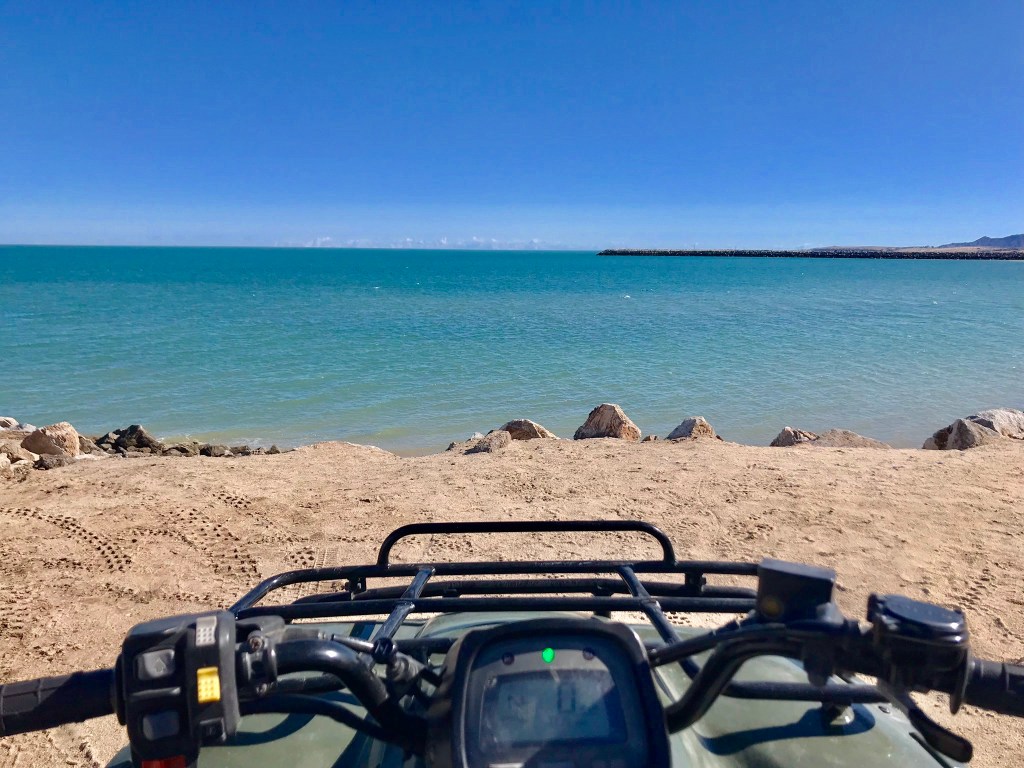
If you are looking for adventure, there is plenty to explore in this area. A huge draw is off-road adventure, and it is fun to rent ATVs for a couple of hours to explore the dunes and desert beyond. Rent from the business set up along Highway 5 on the way out of town to the south, just across from the Chevron and 7-11. You will get a better price than renting in town and will have direct access to the dunes and off-road trails. The price is approximately $20-$25/hour.
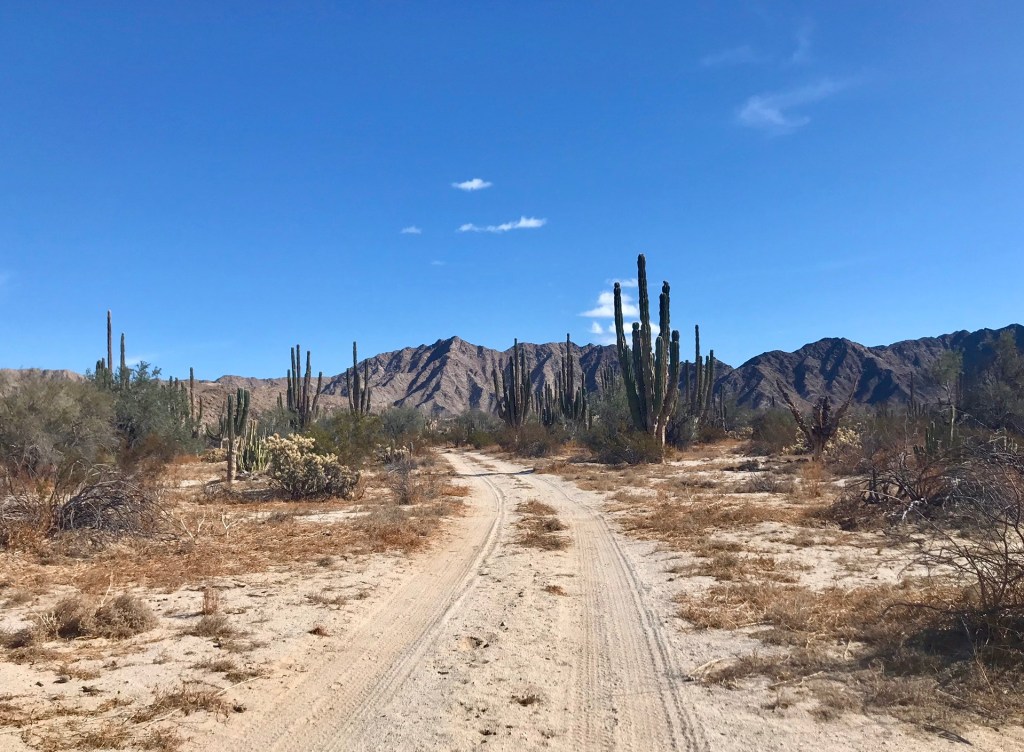
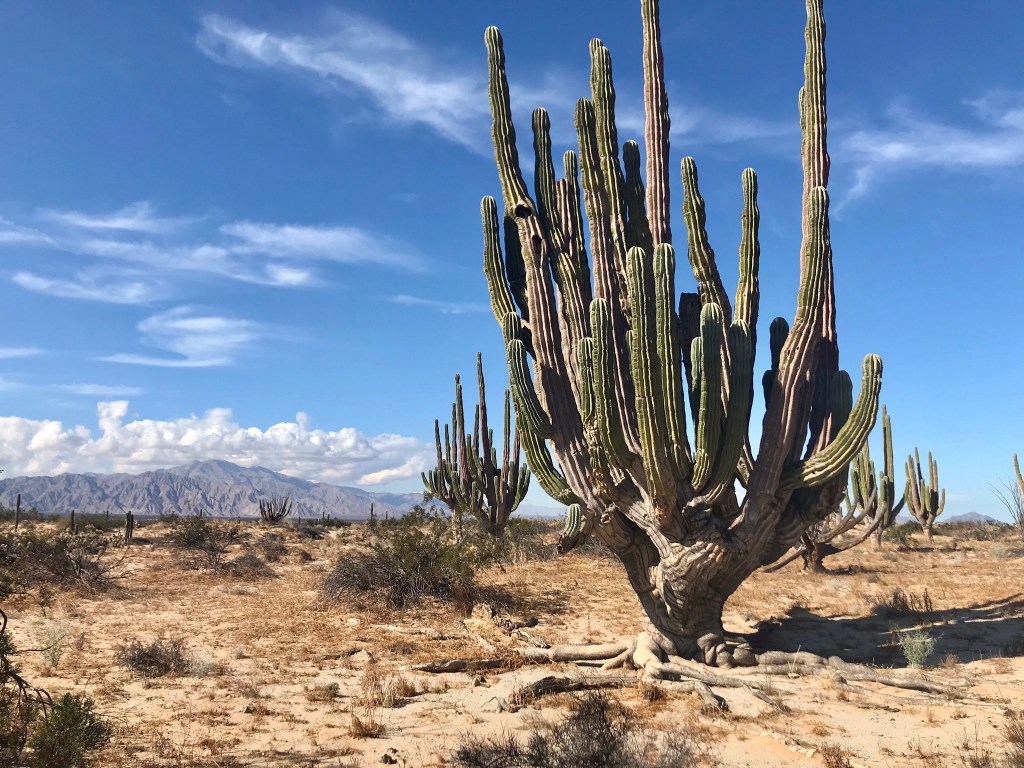
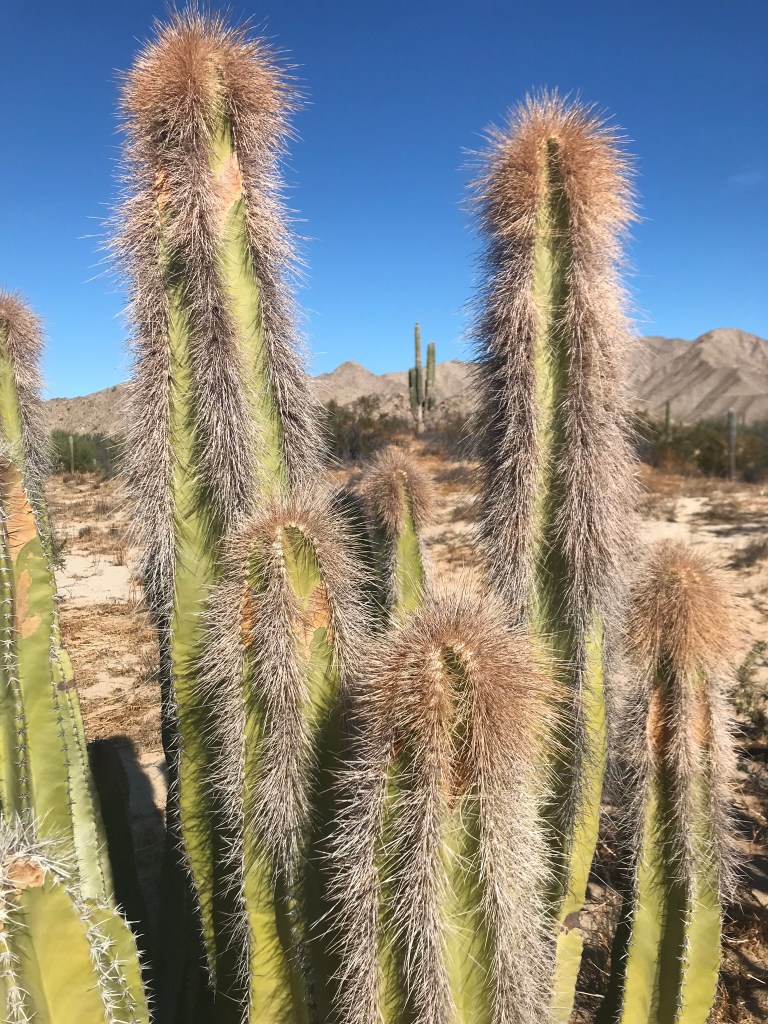
An excursion definitely worth embarking on is the Valle de los Gigantes (Valley of the Giants) approximately 20 minutes south of San Felipe on Highway 5. There is a 200 peso fee to enter this valley of ancient cordón cacti rising up to 17 meters tall against a backdrop of craggy desert mountains. The size and concentration of cacti in this valley is truly remarkable. Drive along the sand road into the valley until you reach a sign indicating that 4 wheel drive vehicles are required beyond that point. Hike around the cacti in this spot, and if you have 4 wheel or all-wheel drive (a Subaru will do just fine), venture past this point as there are many more cacti and sweeping desert views to explore. Come in the late afternoon to enjoy the deep reds and purples of the desert sunset and the cactus skyline at dusk.
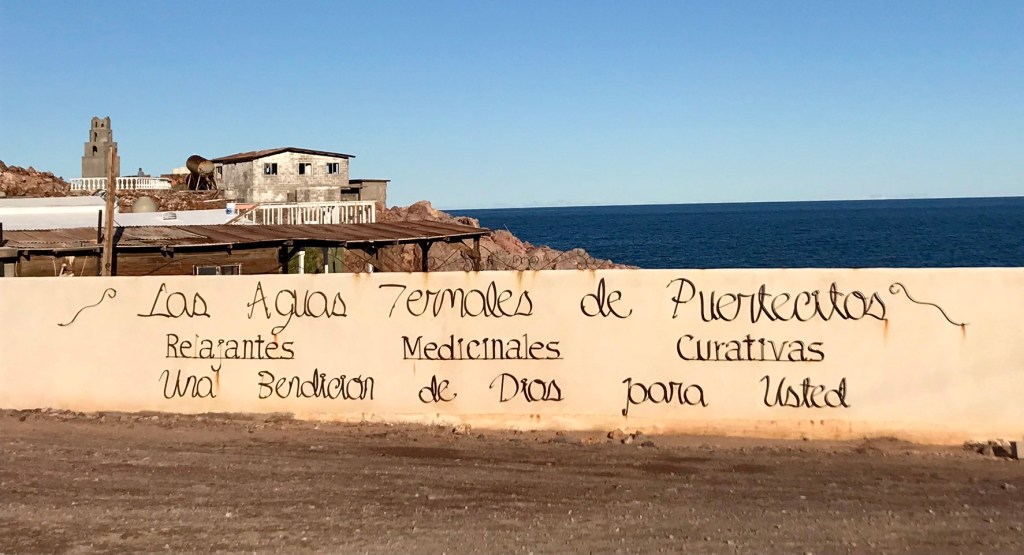
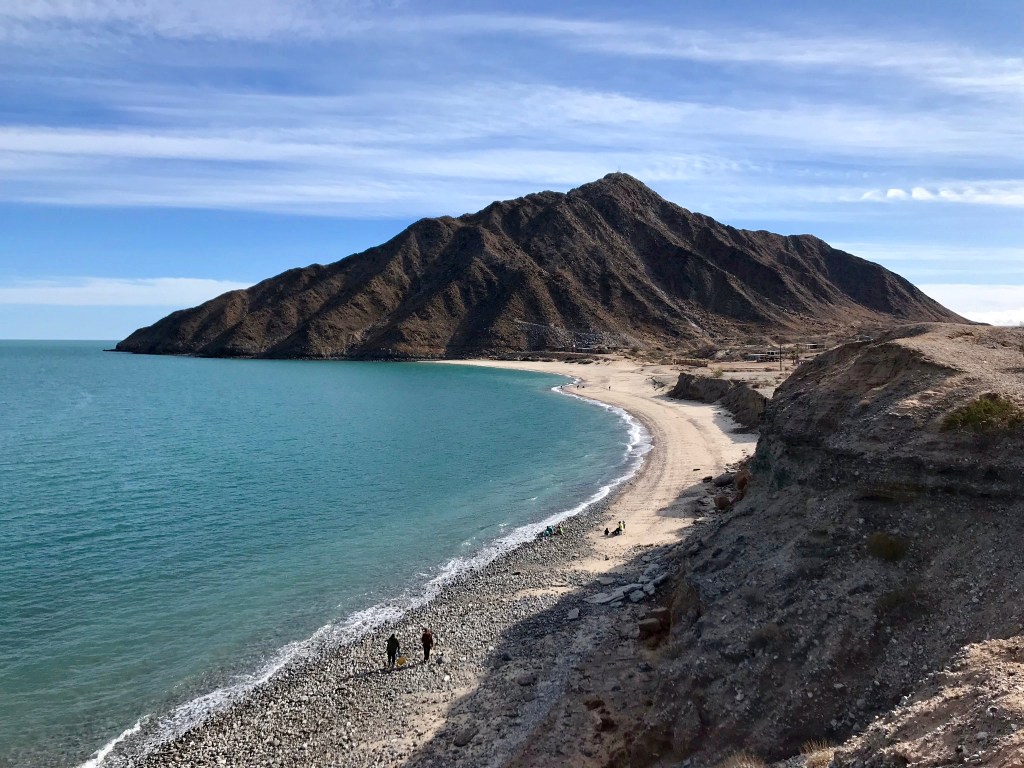
The highlight of our trip was visiting the Aguas Termales (Hot Springs) of Puertecitos, about and hour and a half south of San Felipe. Look for the Puertocitos sign directing you toward a paved road heading toward the water just south of the Cow Patty on Highway 5 between kilometer marker 74 and 75. Puertecitos consists of nothing more than a market, gas station, modest port in the small protected bay, a sprinkling of homes, and the hot springs. Sergey Gornushkin, a Russian-born San Diegan sculpturist also has a small studio here. Pez Gallery displays Sergey’s conservation focused art and offers educational programs and art classes. Look for his marine sculptures throughout the community of Puertecitos. As you drive into the tiny community toward the south end of the bay, the gallery is on right side. If you follow the north end of the bay, the road will take you to the Aguas Termales. There is a rope blocking the road and the cost to access the springs for the day is 500 pesos. There are bathrooms, changing rooms and showers to the left of where you pay. You will want to time your visit well.
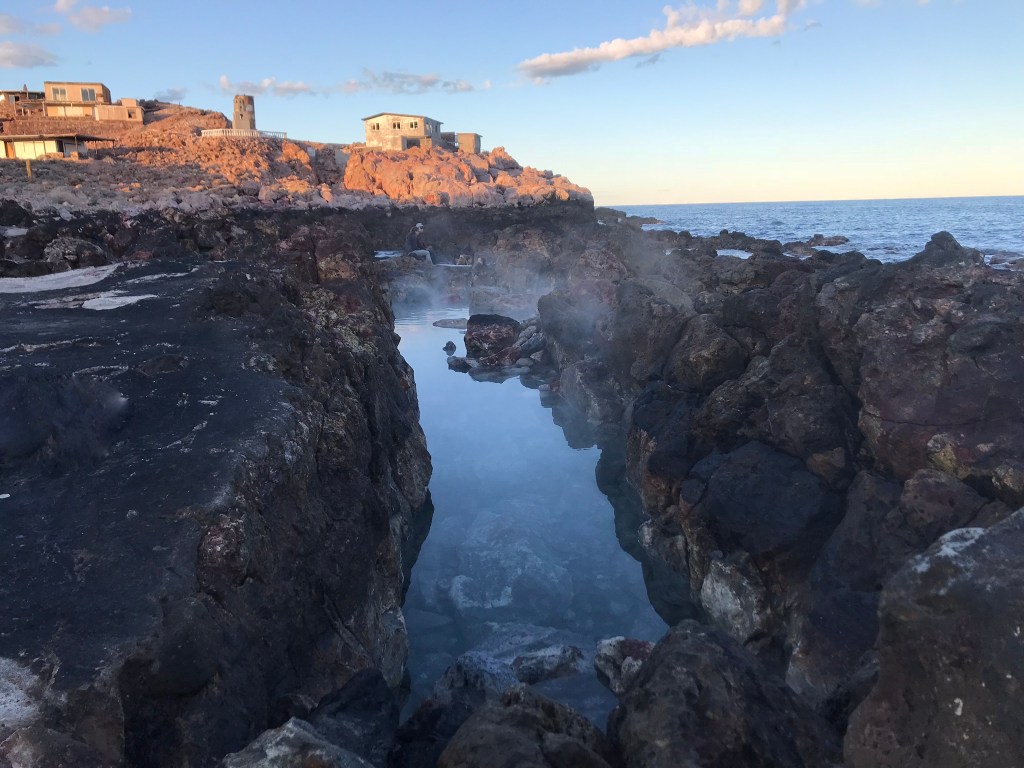
The hot springs are a series of rock pools flanked by the sea. At low tide the pools can be scalding hot, at high tide as the cool ocean water sweeps in mixing with the spring-fed water, the pools can be too cold. We arrived right in the middle (Low tide was a 9 am and high tide at 3pm. We arrived at noon.), and were able to enjoy the pools for about an hour, moving from one pool to the next to find the sweet spot as the tide rolled in. When the pools became too cold with the rising tide we took a break, checked out an event at the gallery, had a beer and snack on the beach, then went back around 4 pm as the tide was easing out allowing us to enjoy a second round of pool hopping. Check the tides before going, but plan on bringing some snacks and drinks and make a day of it. If waiting for the tides to hit the sweet spot, enjoy some time swimming in the calm waters of the town’s quiet and picturesque beach. There are also camping spots near the beach for an overnight stay. The nearby bar The Cow Patty serves beer and hot dogs and is popular with the local gringos. We weren’t overly impressed and preferred our beers on the beach, but it’s worth checking out if you have a hankering for a Weiner.
Where to eat and drink
Despite being a small, isolated town in the middle of the desert, the food in San Felipe is surprisingly tasty. Many of the taco joints and restaurants make both flour and corn tortillas fresh to order by hand, which is not very common in Baja. Of course as with any fishing town, you’ll want to get your fill of fresh seafood. Shrimp season runs through the fall and winter, and we could not get enough of the fresh ocean taste of tender, plump, jumbo shrimp.
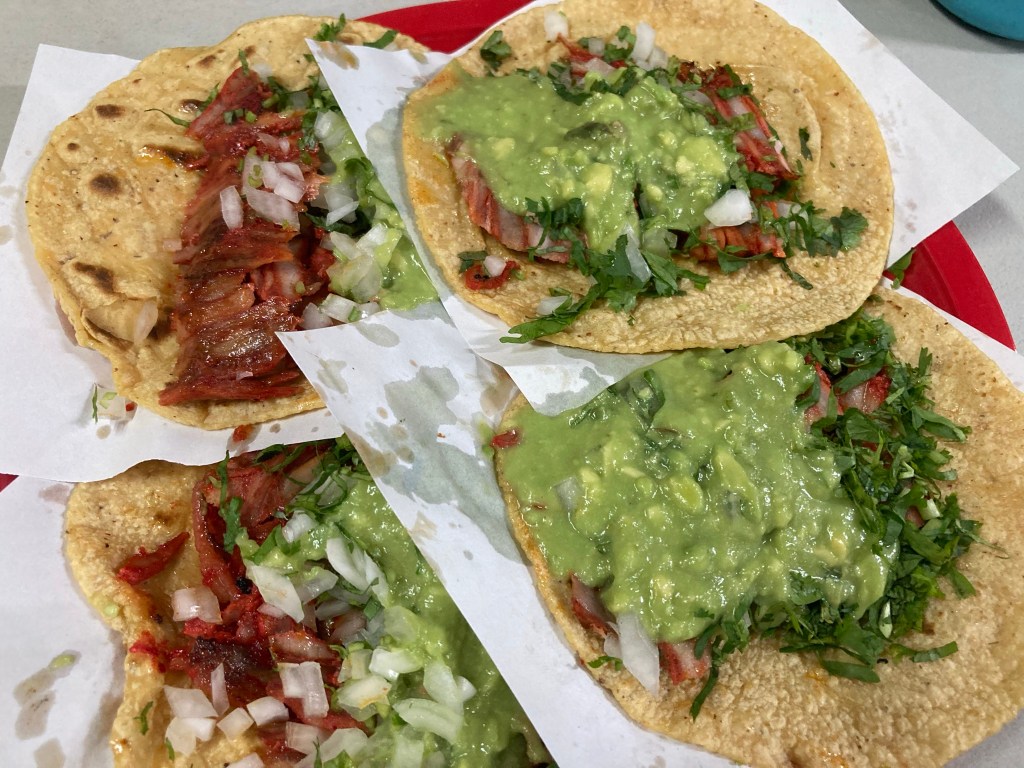
The main road into town dead ends at the Malecón and is lined with taco shops, stores, and local businesses. There are several tasty local spots to eat along this strip, but not to be missed are El Poblanito, just across from the Calimax, and it’s sister taco joint, El Poblano. At night these two taco stands fire up the grill and spit and kick out pastor (pork cooked on a spit), asada and tripe tacos, tortas, burritos and quesadillas with all the fixings on handmade tortillas. I’m generally not a huge meat eater, but the lean, crispy pastor tacos had even me coming back for more.
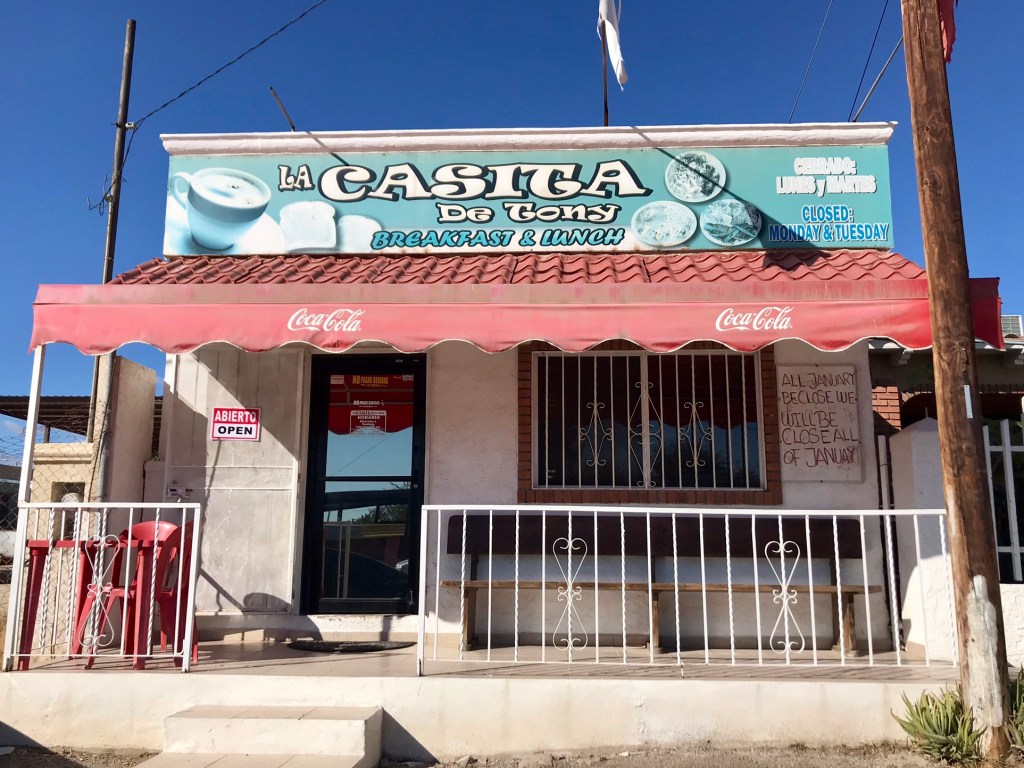
One block over is Calle Ensenada which has a couple of good, local, sit-down breakfast and lunch spots. The chicken enchiladas at Fuente de Sodas Karina are quite tasty, and you can also enjoy a fresh smoothie (liquado) or shaved ice (raspado). La Cabana has delicious chilaquiles and huevos rancheros that you can wash down with fresh squeezed orange juice. La Casita de Tony, located on Mar Jonico Sur, just off Calle Ensenada, cannot be missed. The heaping plates of Mexican comfort food are mouth-watering and will leave you stuffed. Recommendations include the chicken chilaquiles, shrimp omelette and shrimp enchiladas.
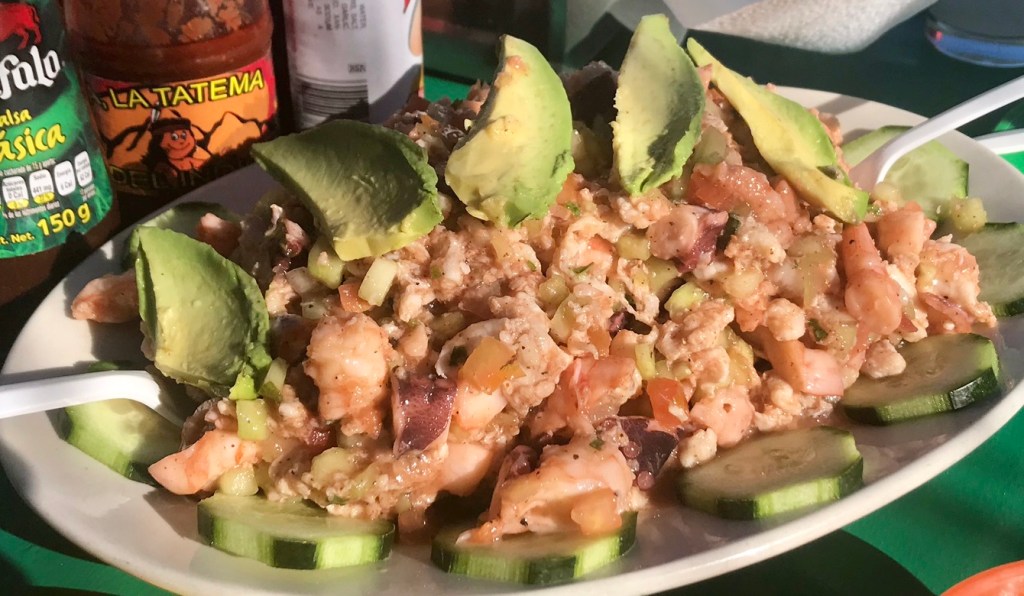
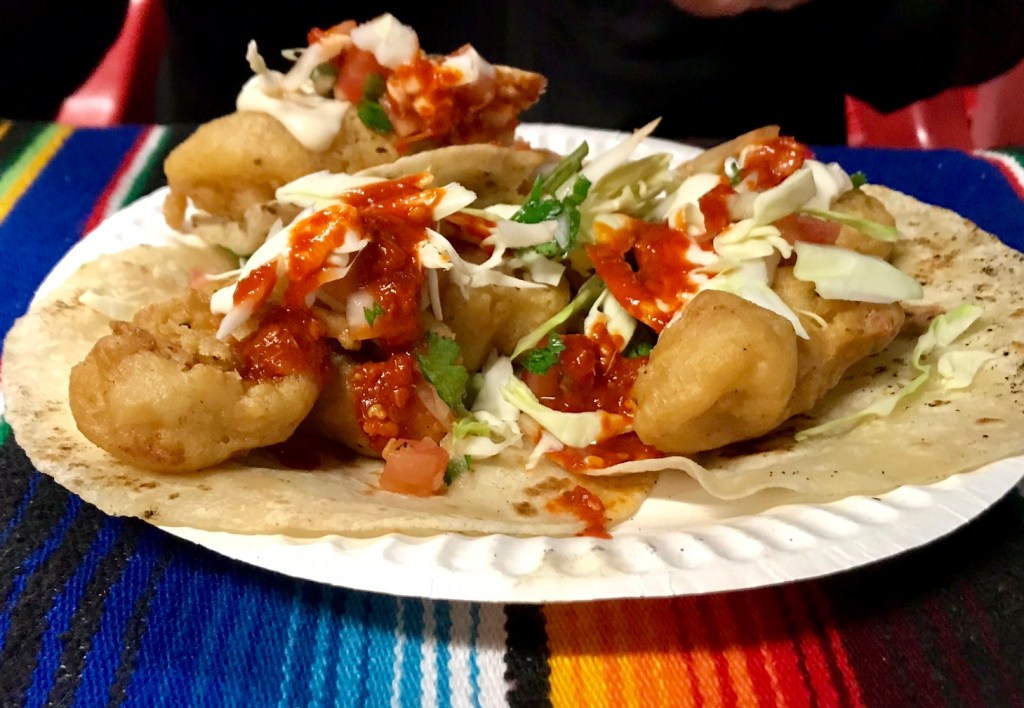
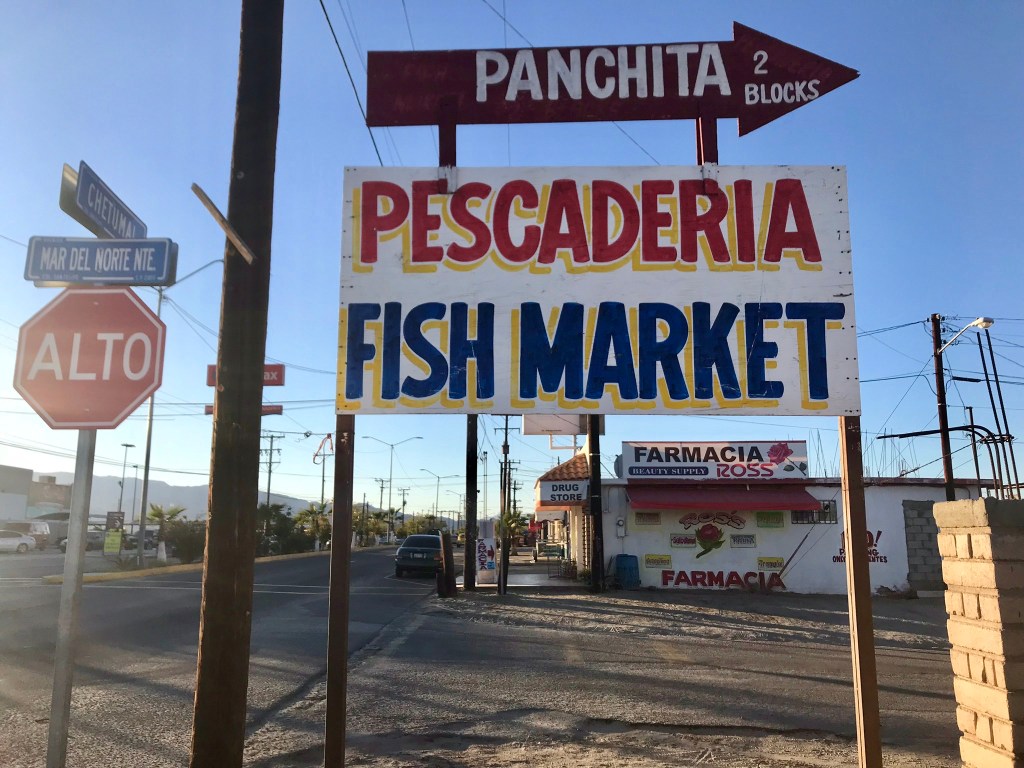
The restaurants along the Malecon offer a variety of seafood options ranging from 3 fish tacos for 90 pesos ($5) to pricier seafood meals. Tacos Los Gueros is a great place to sit outside and sip a refreshing cocktail while enjoying views of the sea. The margaritas and palomas are strong, and the mixed ceviche plate comes towering with freshly marinated fish, shrimp and squid. Around the corner you will find Las Palmas, which lacks the view of the sea but is a local favorite for seafood. If you’re craving shrimp or fish tacos, try Adriana’s tacos near the far end of the Malecon. This no frills taco stand is nothing fancy, but when you see Abuela in the kitchen frying fish, you know it’s gotta be good. If you want to pick up some fresh seafood to cook on your own, visit Pescaderia Panchita for the fresh catch of the day. They also offer fishing trips if you’re up for trying to hook your own fish. A chartered fishing trip will generally cost about $200 for four people for a 4-5 hour excursion.
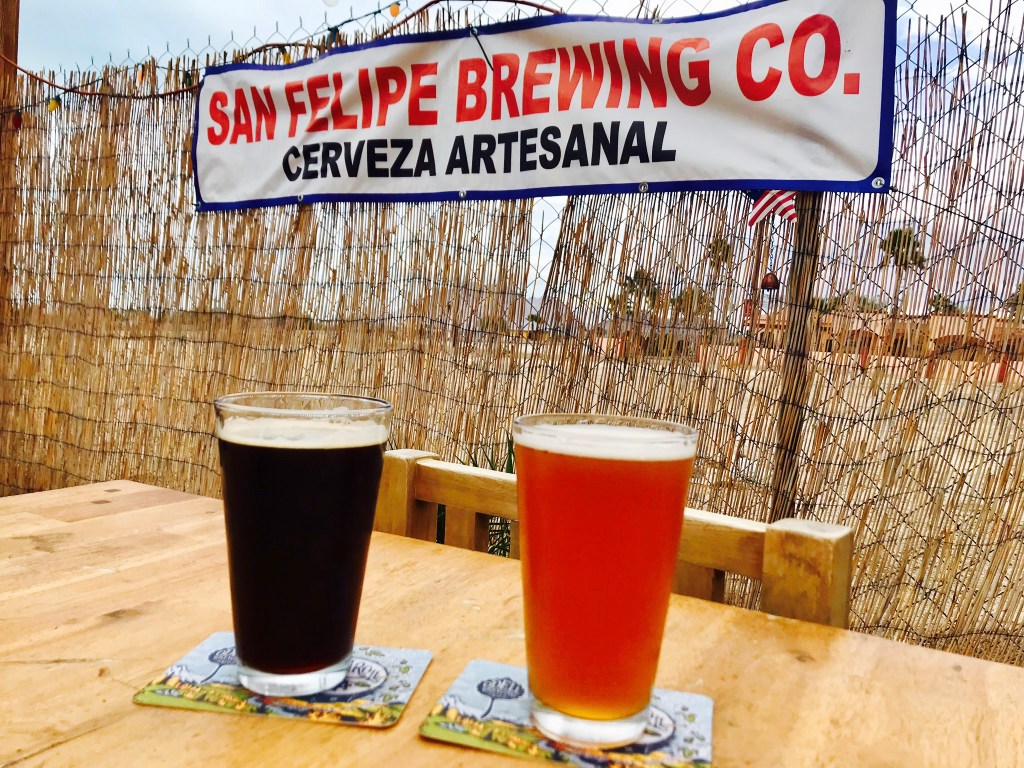
If you need a cold, craft brew to wash down all of those shrimp tacos, drive north on Highway 5 to San Felipe Brewing. Here you will find a lively ex-pat crew and several well-crafted beers on tap from 2-8 pm daily. The brewer and owner is a long-time resident of San Felipe and the small brewery offers a good selection of well-made craft brews, a rarity in Mexico. Alternatively, back in town near the Malecon La Pachanga is a dive bar where you can enjoy a beer or a tequila shot and maybe some pool or karaoke.
Where to stay
There is a wide variety of lodging options in and around San Felipe, ranging from camping on the beach to staying in a resort. There are several nice an affordable hotel options in town near the Malecon, some with pools, but don’t expect the Hyatt. Hotel y Restaurante Georges appears to be a nice hotel option with a pool about a 15 minute walk from the Malecon and a block from the beach. There are also a few beachfront resorts, that offer options from RV hookups to cabanas to tent camping. To the south of town you will find some resorts and condos on the beach near the marina. The beach access is lovely, but the downside is that it is bit of a trek to town and there is not much in the way of dining options in this area. North of town in Playa Hawaii is where most of the ex-pat and snowbird crowd stays, and you can easily rent a home or condo in this area where you will also find a couple of gringo bars and restaurants. There are several campos both in and out of town where you can inexpensively set up an RV or a tent.
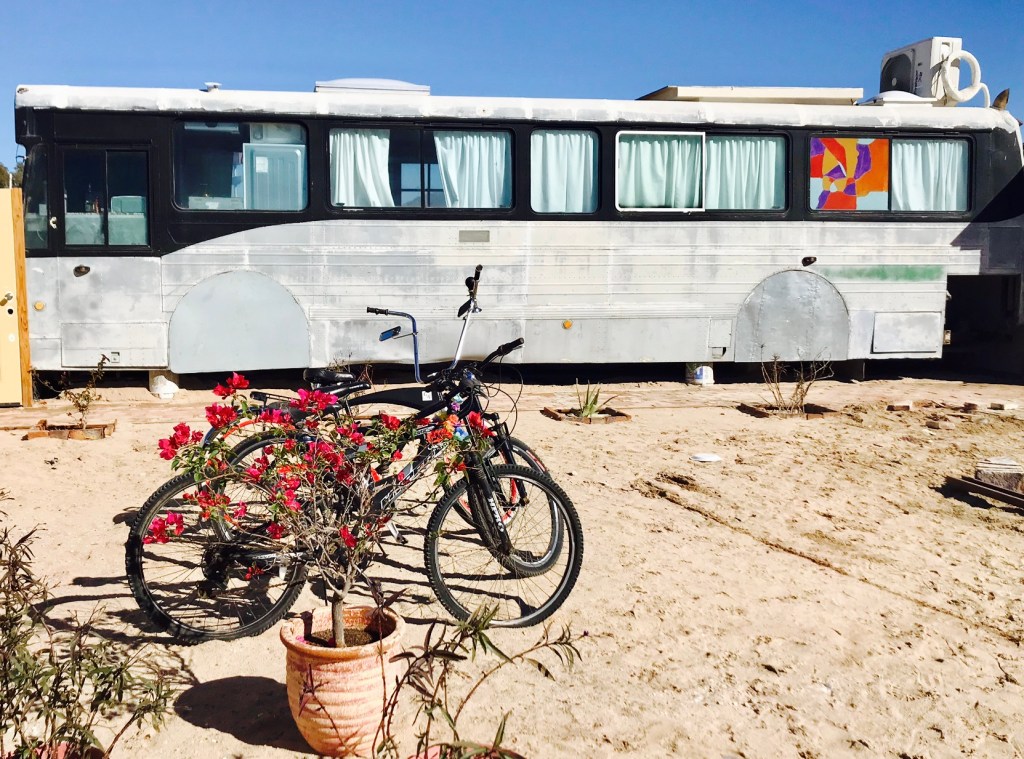
During our first visit we opted to stay right downtown in the Blue Ride at C&G San Felipe through Airbnb. Just a block from the main strip, the grocery store, plenty of restaurants and a 15 walk to the beach we enjoyed a unique, in-town glamping experience. The Blue Ride is a converted bus that has been stylishly remodeled into a comfortable tiny home, complete with its own private courtyard. The property also has two other creatively designed tiny home options, a communal courtyard area, a swimming pool and C&G San Felipe cheese shop and restaurant. If you are looking for a unique experience and excellent hosts, I would recommend checking this place out. Even if you don’t sleep here, stop by to check out their amazing variety of artisanal Mexican cheeses. Make sure to try the queso chipotle!
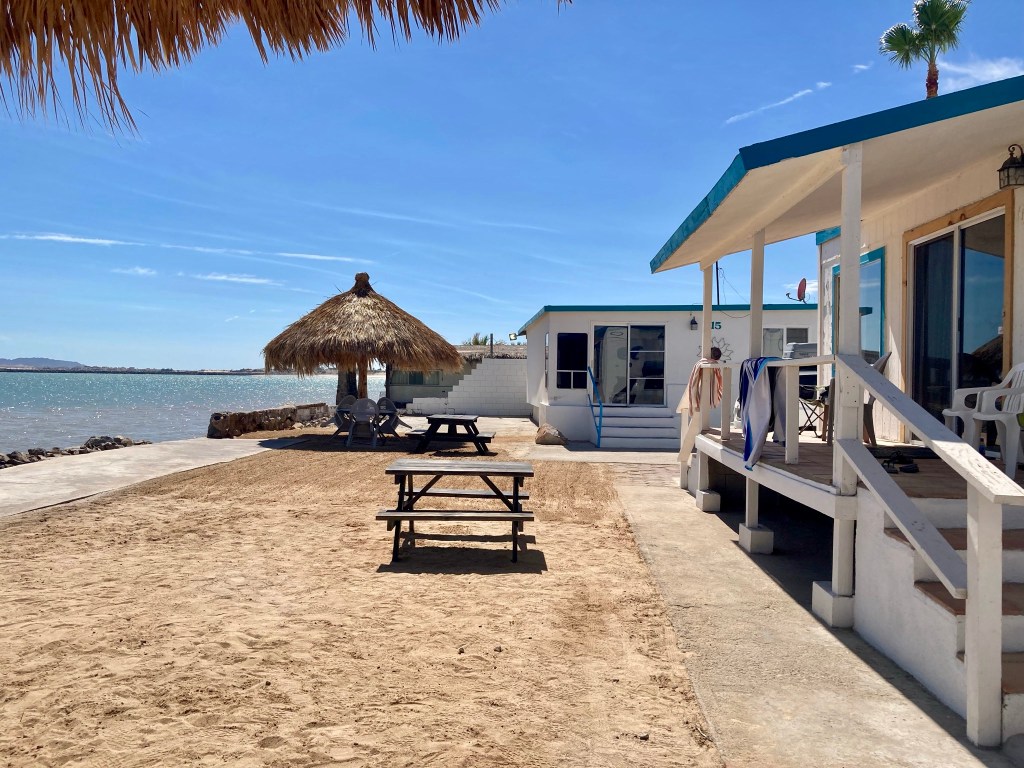
When we returned in October we decided that we wanted easy beach access and rented a beachfront cabana at Seaside Hotel and Victor’s RV Park. The clean, comfortable cabana had all the amenities for a week-long stay, cozy beds, and amazing views of the sun rising over the Sea of Cortez. The resort offers various sized cabanas as well as RV hook-ups, an on-site bar and restaurant with live music every Friday, and friendly staff. While we did enjoy some margaritas and piña coladas from the bar, but the food was pricey so we opted to make the 20 minute walk to town to dine at local restaurants and taco stands. You can not beat the beach access and views at this location!
Getting there and around
A car is recommended to travel to and from San Felipe, and also provides you the freedom to explore the area. If you drive your own car into Mexico, you will want to make sure to get Mexican car insurance. This can be purchased online through a variety of different agencies. Contrary to popular belief, you will also need a tourist card, which is free for a visit of up to 7 days. Officials will not check for your tourist card, but it is legally required. Purchase the tourist card (FMM) at the immigration office (Instituto Nacional de Migración) when you cross the border or online and have it stamped at the INM. Vehicle permits are not required in Baja; however, if you plan to leave the peninsula via the car ferry that takes you across to Mazatlan, make sure you get your vehicle permit at the border! The Baja Bound Insurance website provides Mexican driving insurance as well as up to date entry information. It is always a good idea to check the U.S. Department of State advisories before traveling abroad as well.
Baja California Norte and Sur are two of the safest states in Mexico, and you shouldn’t have any trouble driving here. Nevertheless, it is not advised to drive at night, not so much due to crime as poor road conditions, poor signage and livestock in roadways. Border towns in particular can be difficult to navigate. Expect delays at the border on your return. If headed toward San Diego the Tecate border crossing is recommended. If Arizona-bound try the San Luis Rio Colorado crossing. Both are much less congested and are quicker than crossing at Tijuana or Calexico.
It is possible to travel to San Felipe by bus from Tijuana, Ensendada or Mexicali, and if you stay in town, San Felipe is quite walkable. There is also taxi service available. The bus station is located on Highway 5 on the south end of town near the 7-11 and Chevron gas station. For up to date information on bus routes and other travel information visit San Felipe’s website.
 Travel En Vivo
Reblogged this on Travel En Vivo and commented:
After a return trip to San Felipe, I’ve added some additional updates and insights. Enjoy!
LikeLike