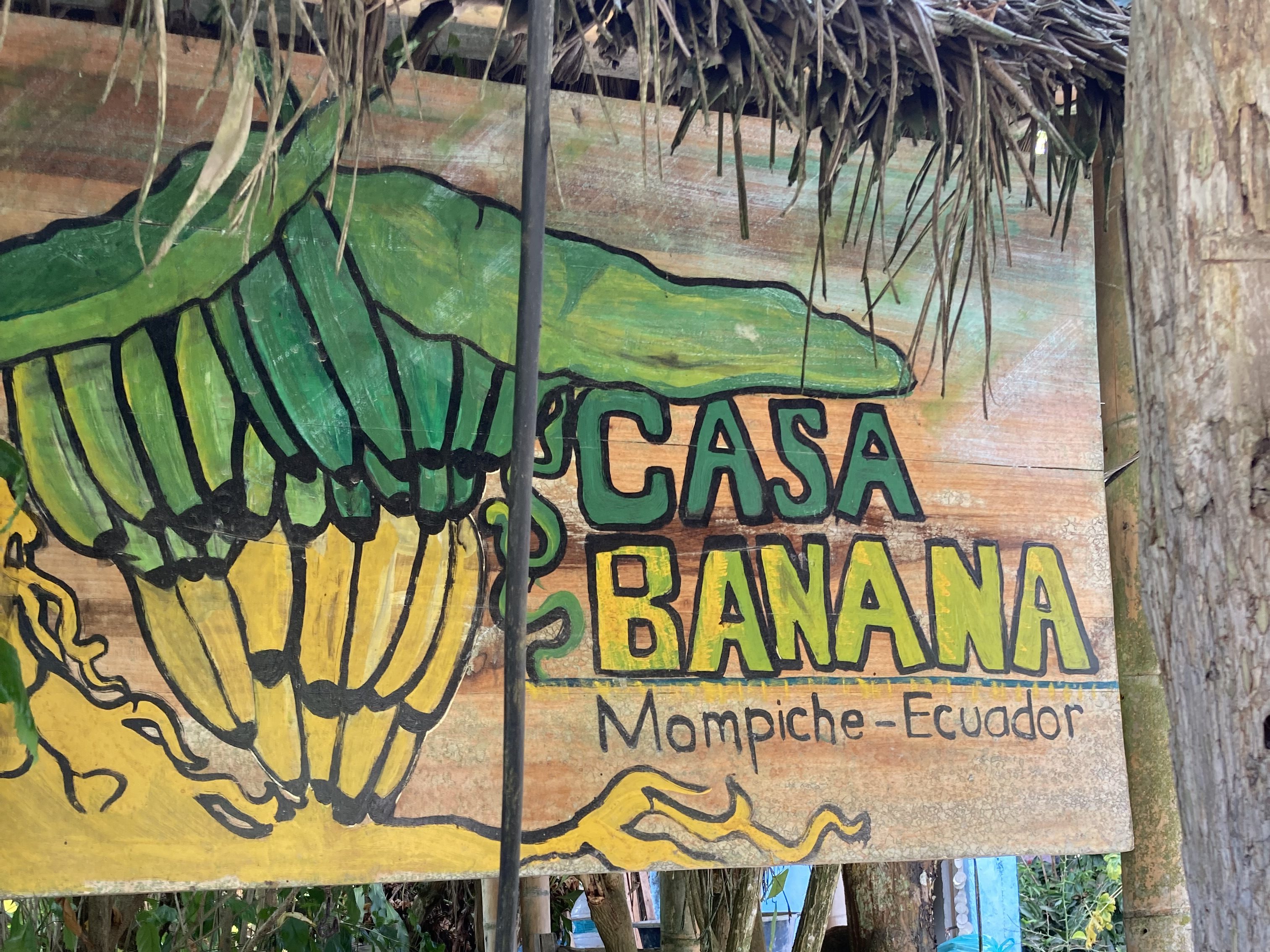
The dusty, red Chevy 4×4 comes to an abrupt stop in front of the café where my husband and I are fueling up on local coffee and freshly baked bread. We are greeted by Joao, the grey-stubbled man with ocean blue eyes who will be giving us a tour of his organic farm. We squeeze into the front seat of the Chevy and set off on the short and bumpy drive into the hills above the coastal village of Mompiche. On the way, Joao tells us about his background in ecology and chides us for our inability to pronounce his Brazilian name correctly. “Joao,” he annunciates, the string of vowels rolling around in his mouth. “American mouths can’t make this sound,” he shrugs.
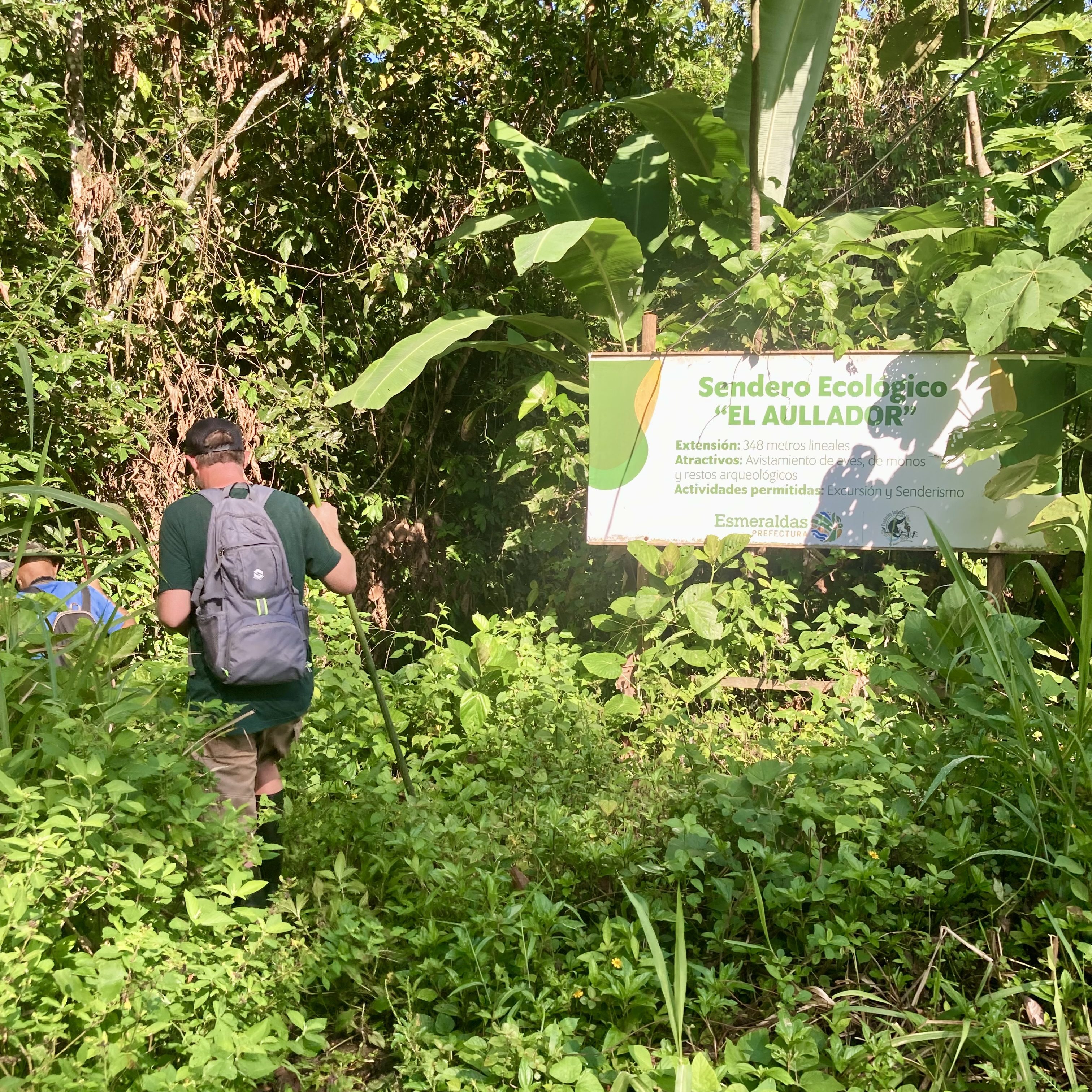
Soon we pull up to Joao’s house, a modest cabin at the end of a muddy two-track, nestled in the jungle and overlooking the Pacific Ocean in the distance. We pull on rubber boots, slather on bug spray and set out with Joao and his three dogs to explore his privately-owned conservation area and organic farm. Joao believes that conservation and economic development can co-exist in biologically diverse Ecuador. So, through his grassroots organization, The Howler Foundation, Joao seeks to capitalize on the area’s robust biodiversity in ways that a promote sustainable well-being and economic opportunity for the local communities.
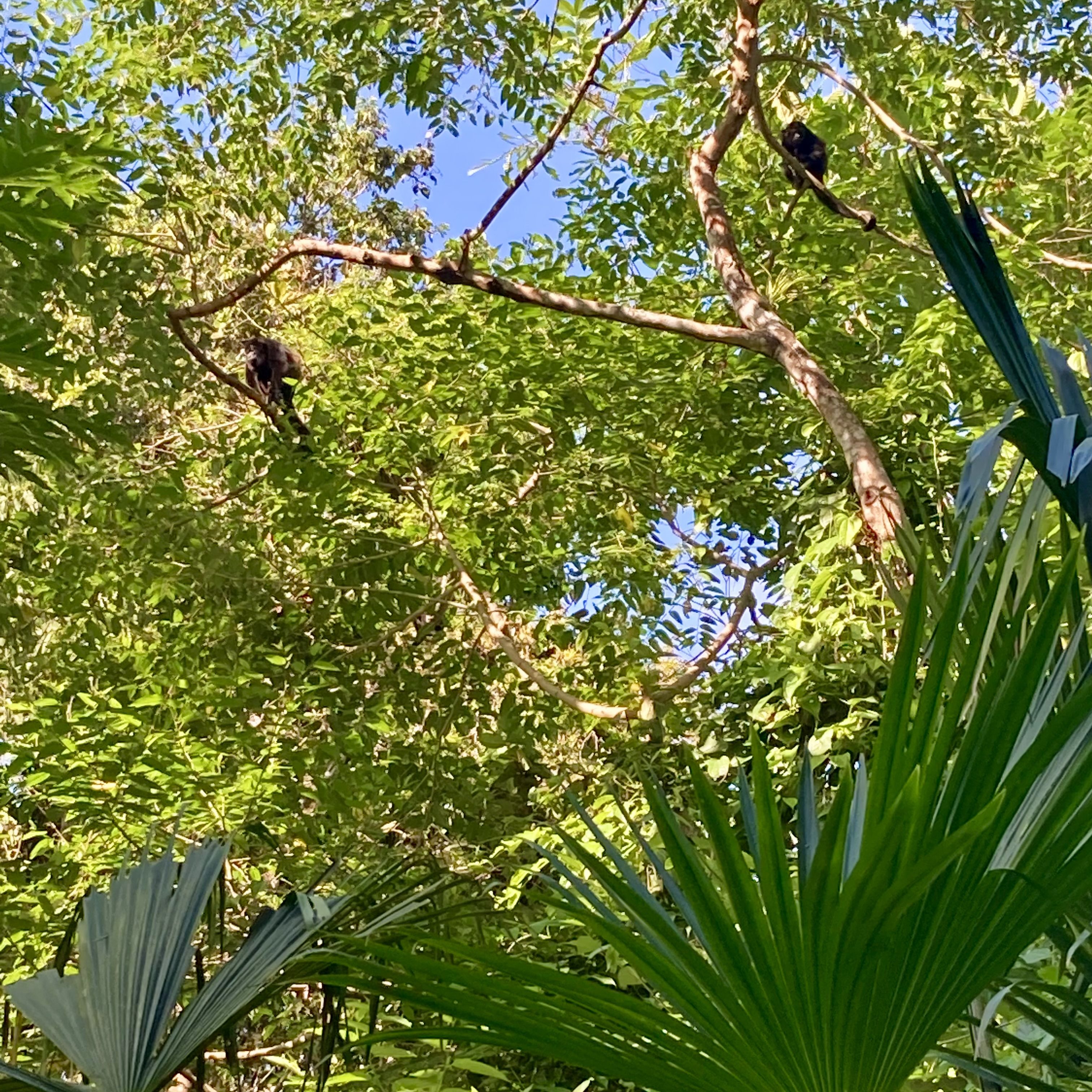
As we head down the muddy path through the towering jungle trees, we hear the sound of the foundation’s namesake, howler monkeys. We pause to watch and listen to a troop of monkeys as they swing through the trees with remarkable agility, pausing occassionally to peer down and holler at us intruders.
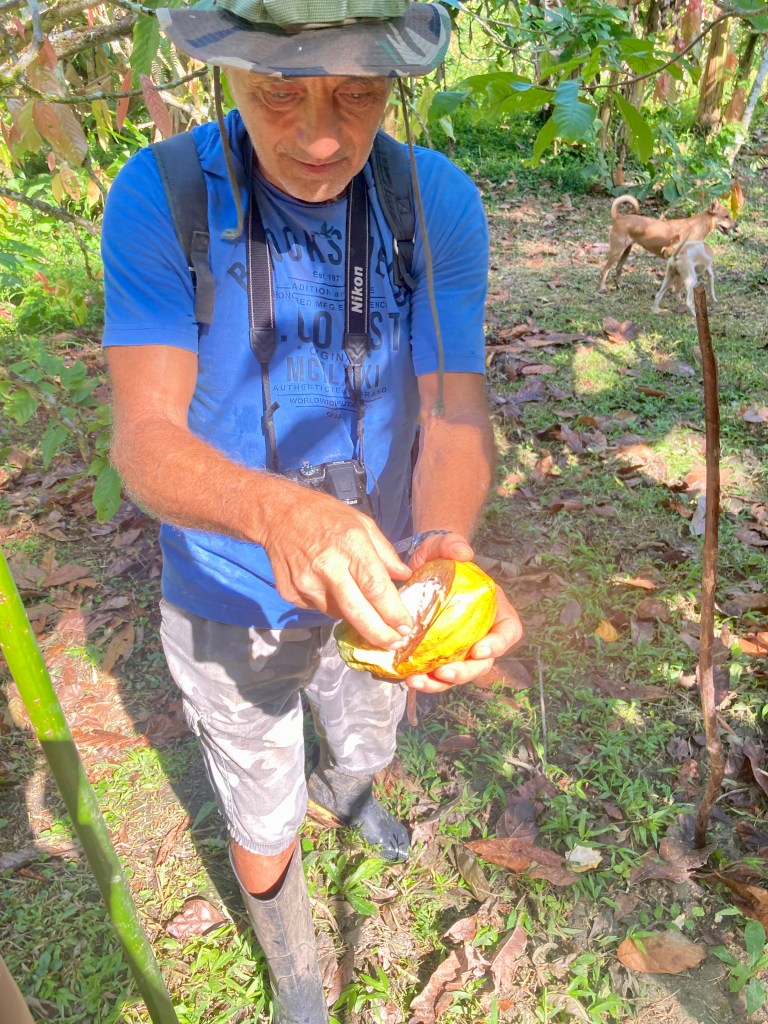
We make our way to the farm, which does not resemble a farm in the traditional sense. Instead of rows of curated crops, the agricultural area consists of grasses, flowers, plants and vines growing among trees and bushes. Joao starts pointing out trees and vines dripping with golden cocoa pods, blushing maracuyas, ripe zapote, and various other fruits and vegetables. He digs up root vegetables, their green tops sprouting from the fertile ground.
In addition to growing traditional Ecuadorian crops such as yucca and cocoa, Joao is also working to educate local communities on the nutritional and economic benefits of agrobiodiversity. Joao shows us tiny green pods of cardamon, one of the most expensive spices on Earth. The production of cardamon has potential for great profit, without the devastating environmental impacts that industries such as shrimp farming have had on the area. Joao enthusiastically explains the tremendous potential of this ecosystem to produce diverse and sustainable agricultural wealth.
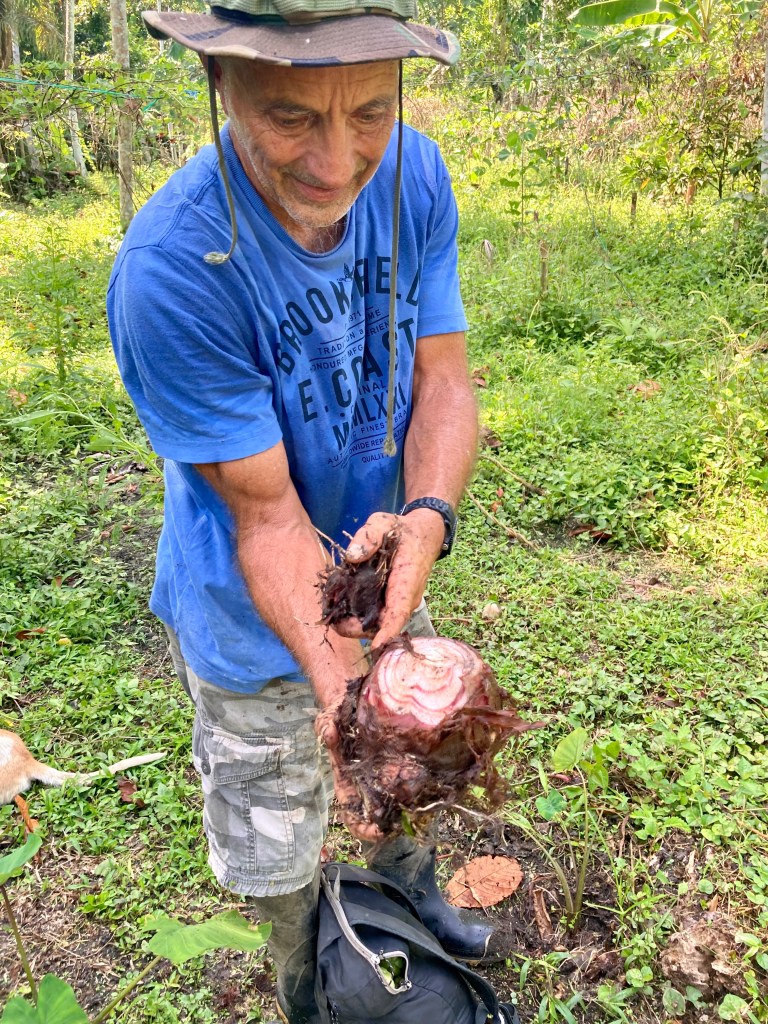
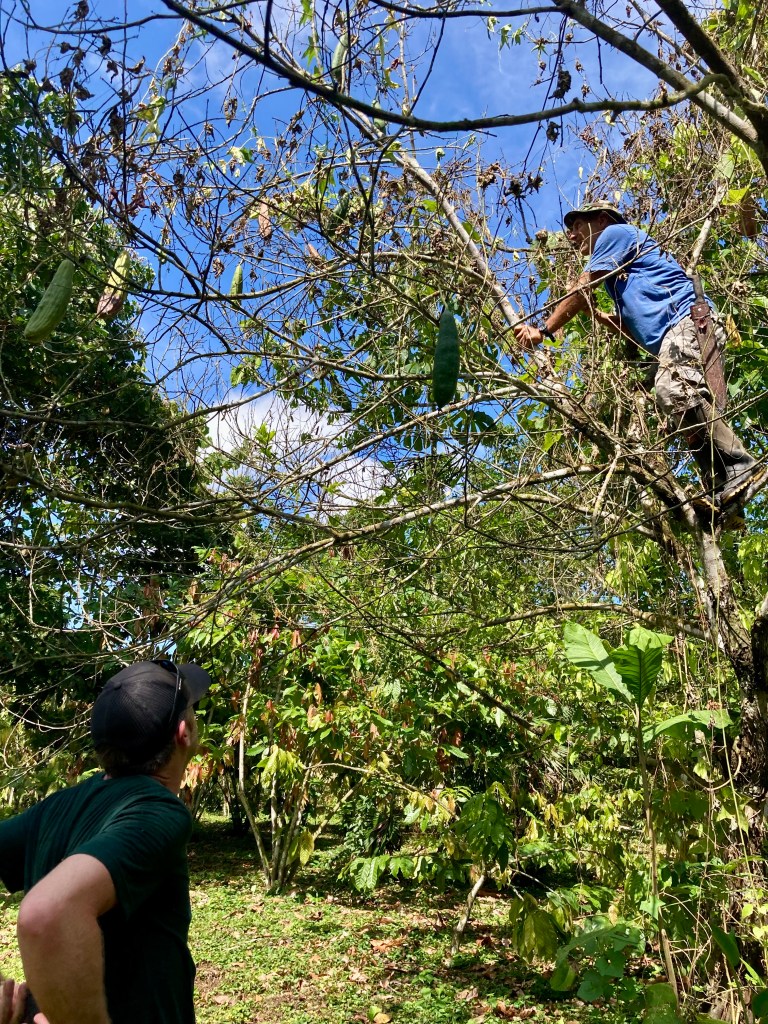
We did not realize we would be put to work on the tour, but soon we are are readily climbing trees to help harvest zapote, cutting down stalks of bananas, knocking loofah sponges from trees, and cramming our backpacks and pockets with produce. Eventually, we start the steep trek back. Exhausted, sweaty, and thirsty, yet with a great sense of accomplishment, we reach the house.
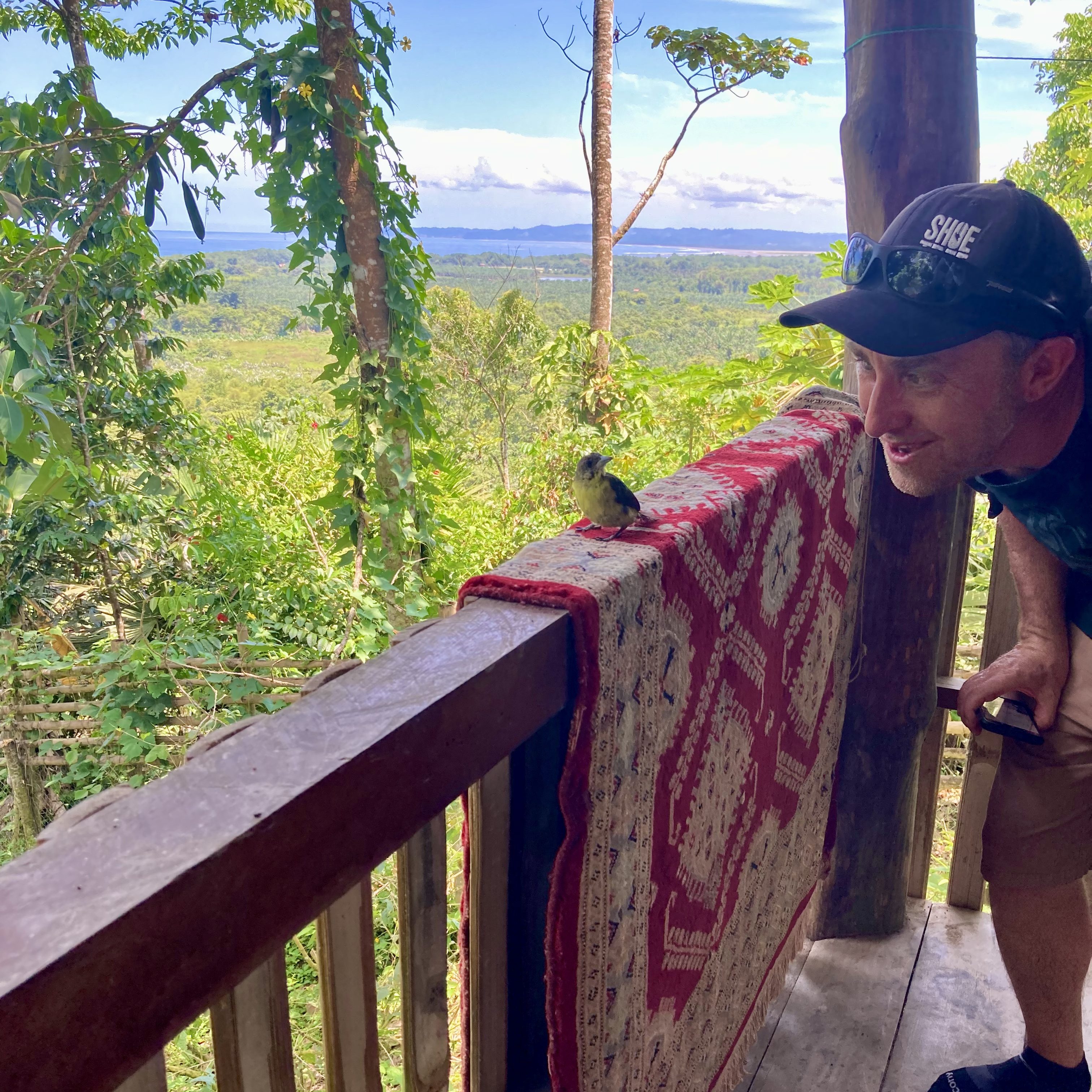
We are welcomed back by Birdie, Joao’s orphaned pet flycatcher. Birdie chirps at us and follows us inside to check out the loot we empty onto the dining room table. We head back to town loaded up with fresh eggs, zapote, and loofahs that we’re pretty sure we’re going to have to smuggle through customs.
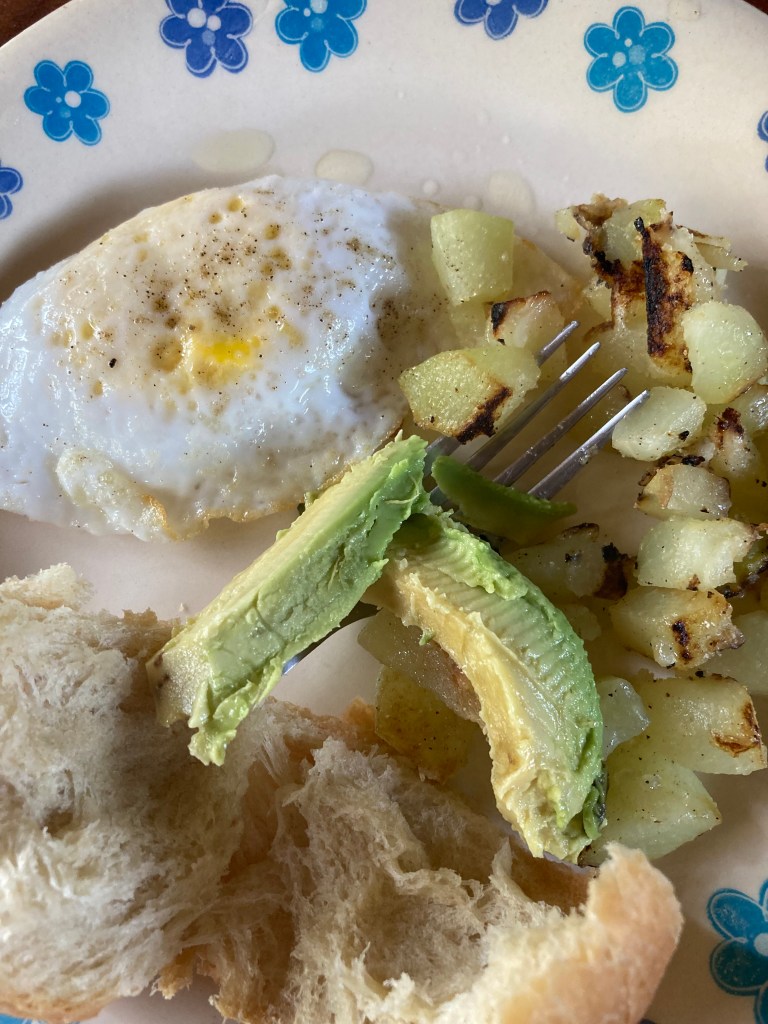
The next morning we crack the eggs into a skillet, sauté the zapote, and savor our harvest with local coffee and fresh bread. After a satisfying breakfast, we rent surfboards to test our novice skills with the gentle wave break at the far end of the beach. After, we are sitting on the beach, sore and a bit defeated, when we spot Joao with a surfboard tucked under his arm. We watch him paddle out to the furthest break and catch a wave that he rides effortlessly all the way to shore. “Joao is a total badass!” I ascertain. “Definitely,” my husband agrees.
 Travel En Vivo
Well written and fun to read.
LikeLiked by 1 person
Glad you enjoyed it!
LikeLike