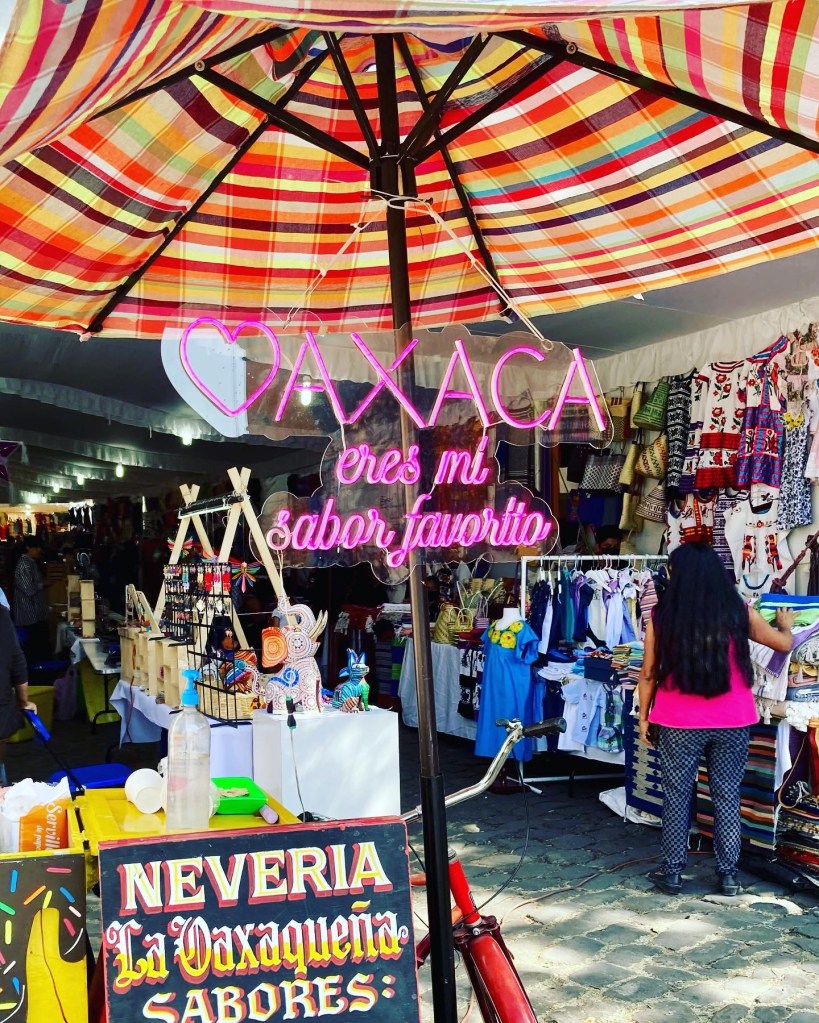
Mention Oaxaca to anyone who has been and you will get a similar reaction, one of admiration, nostalgia and affection. Oaxaca has long been on my bucket list of Mexico destinations, and upon arriving in the capital city of Oaxaca de Juárez, I fell hard and fast for this authentic and culturally rich city. Here are five reasons to be captivated by Oaxaca’s charm.
The Food
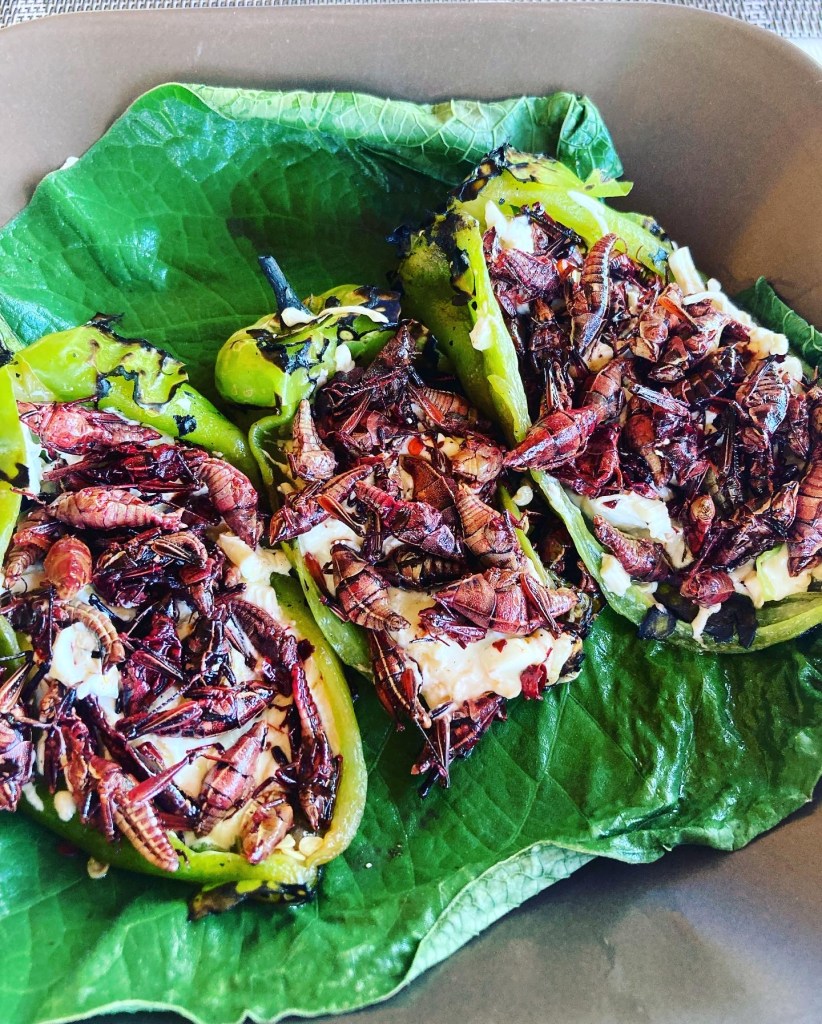
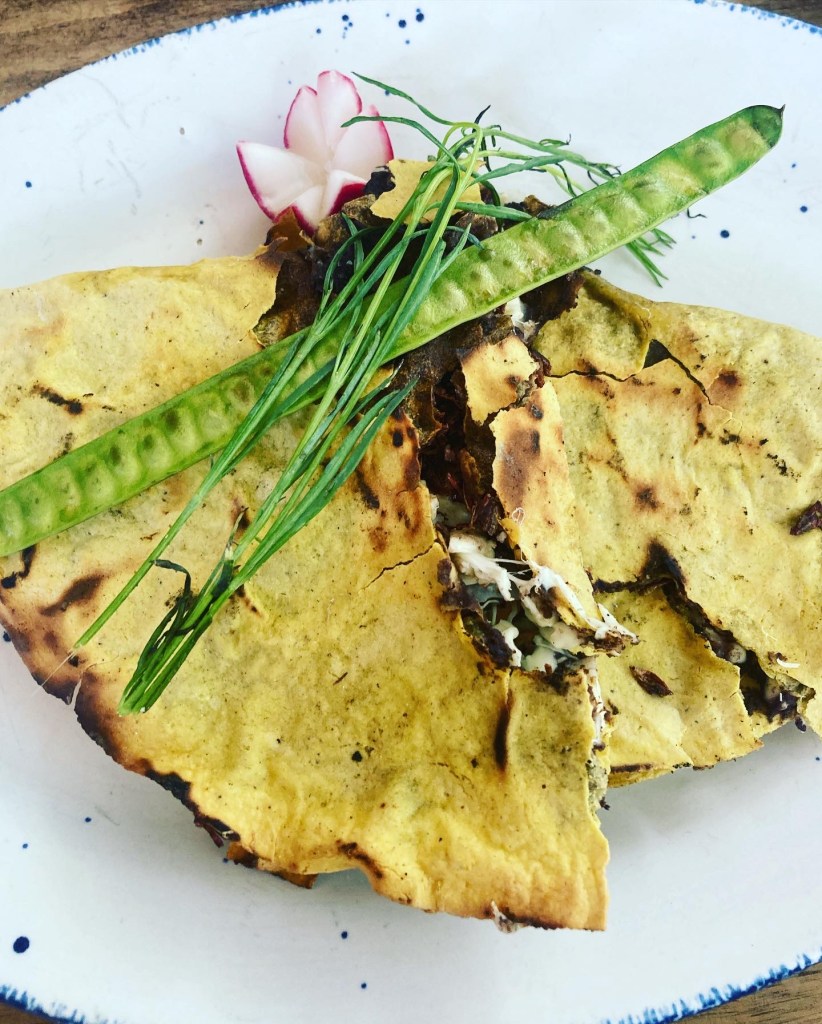
Even in a country saturated with rich flavors, culinary traditions and regional dishes, Oaxaca stands out as a world-renowned food destination. Because of its location in the mountainous south of the country, the area was less impacted by Spanish colonialism that other parts of Mexico. While it was far from impervious from the reach of colonialism, its rugged terrain gave rise to isolated indigenous communities that were able to retain many of their languages, customs and traditions throughout the colonial era. Today, this is often reflected in Oaxacan cuisine with its delicious melange of indigenous traditional foods and European influence. Rich and complex moles, artisanal chocolate, organic coffee, stringy Oaxacan cheese, chapulines (crickets) and pre-hispanic corn-based foods such as the iconic tlayuda, are just some of the exquisite flavors of Oaxaca.
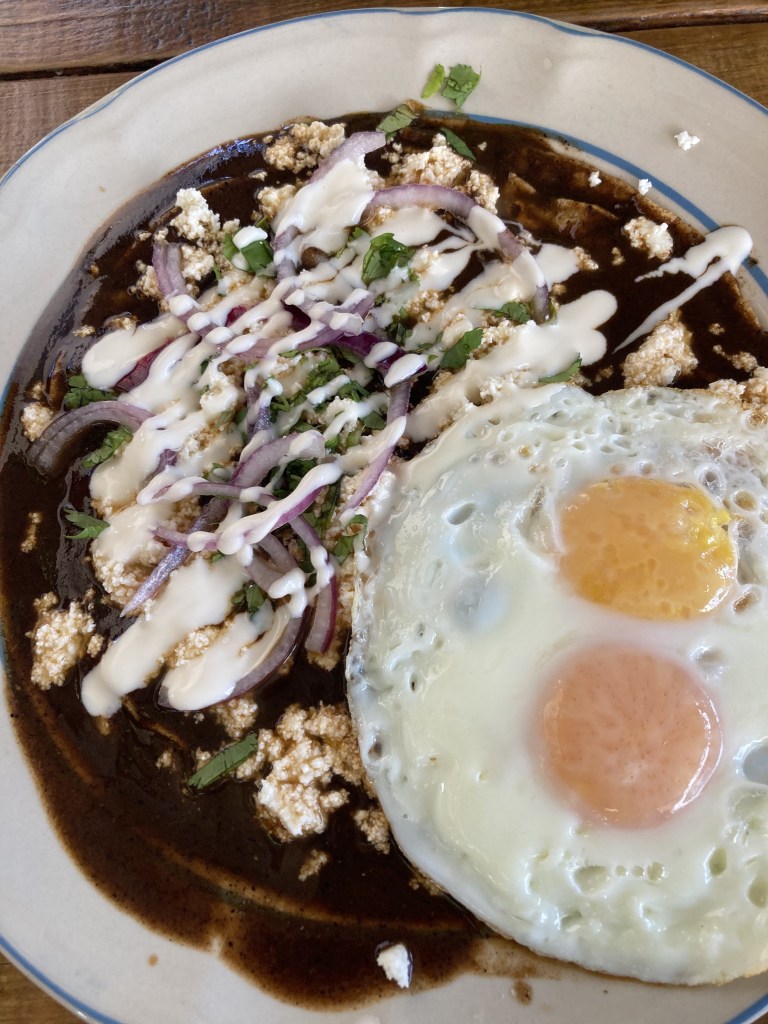
Oaxaca boasts word class dining alongside mouth-watering street foods. While many tourists flock to fine dining establishments such as Restaurante Casa Oaxaca, I found myself underwhelmed and paying too much at the swankier restaurants. If swanky is your thing, Criollo, Levadura de Olla, or Los Danzantes are restaurants that pop up on best of Oaxaca lists and were recommended to us by locals. If down to Earth is more your style, my favorite dining experience in Oaxaca was at Restaurante Le Teca, a small, non-pretentious restaurant in the Roma neighborhood that serves superb elevated yet homey cuisine from the southern region of Oaxaca. Dining on the plant-filled patio feels like you are a guest in someone’s home. Garnachas, tamales, chile rellenos, and baked pork drowning in mole are some of the tasty menu items. Don’t even think about leaving without ordering the etorreja for dessert.
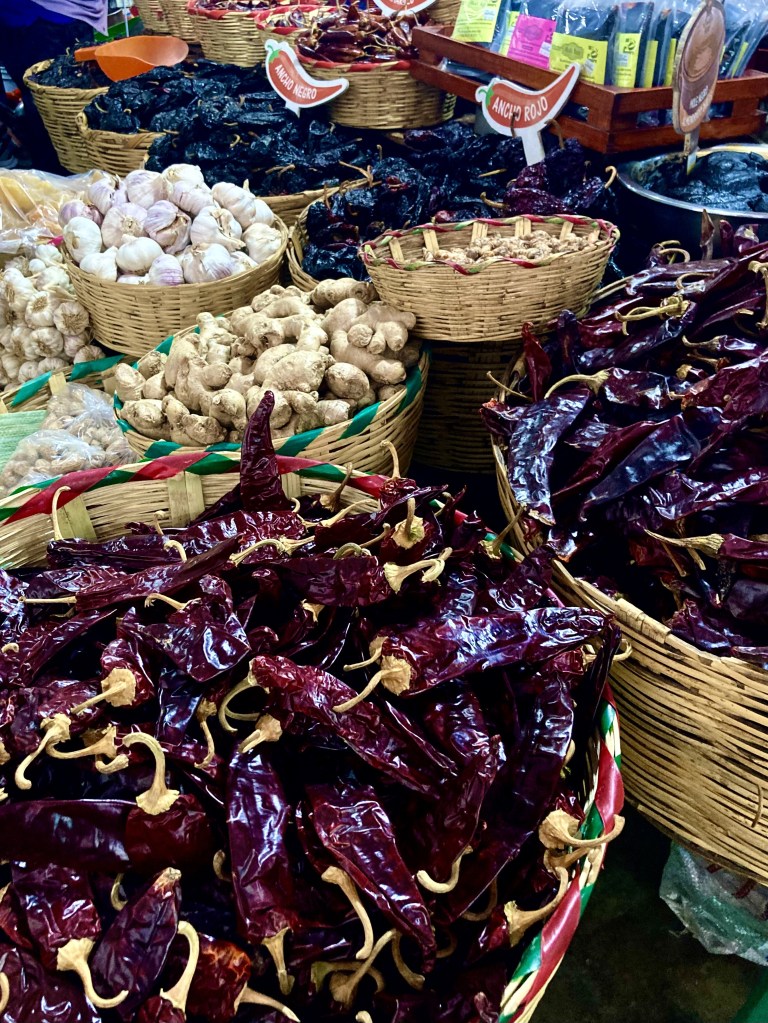
While Oaxaca is flush with upscale dining and hip restaurants, the best food in Oaxaca is undoubtably found at the local markets and no-frills neighborhood eateries. At Mercado 20 de Noviembre, my husband devoured a tlayduda (a huge, thin tostada topped with queso Oxaqueno, beans, veggies and meats) that he claims is the best food he’s ever eaten in all of Mexico. I enjoyed a tamal Oxaqueno consisting of chicken, mole negro, and corn masa steamed in banana leaves. The market is also a great place to enjoy a steaming cup of hot chocolate served with pan de yema, a slightly sweet bread similar to brioche. After filling up on some traditional comfort food, stroll through the stalls of the neighboring Mercado Benito Juarez to experience a dizzying array of spices, herbs, moles, cheeses, chocolates, coffee, mezcals, and produce. For an even more local experience, explore Mercado de la Merced where you can savor simmering mole negro served in traditional Oaxacan pottery at Fonda San Diego. La Cosecha Mercado Organico offers another inexpensive and tasty dining experience in a cute courtyard area where you can also purchase organic foods and natural products.
The Mezcal
Of course, any visitor to Oaxaca will need to wash down all of that delicious food with some local mezcal. While I had certainly imbibed on mezcal cocktails before going to Oaxaca, I knew nothing more about this smokey intoxicant other than it is made from agave. I learned that mezcal, like wine, varies greatly depending on the species of agave plant used, the region and climate, and the distillation process. Thus, there are a dizzying array of different types of mezcals. The most common and affordable type of mezcal is epadín, so when in doubt a good strategy at a bar or restaurant is to ask for the mezcal de la casa, espadín de la casa, or simply order a refreshing mezcal cocktail.
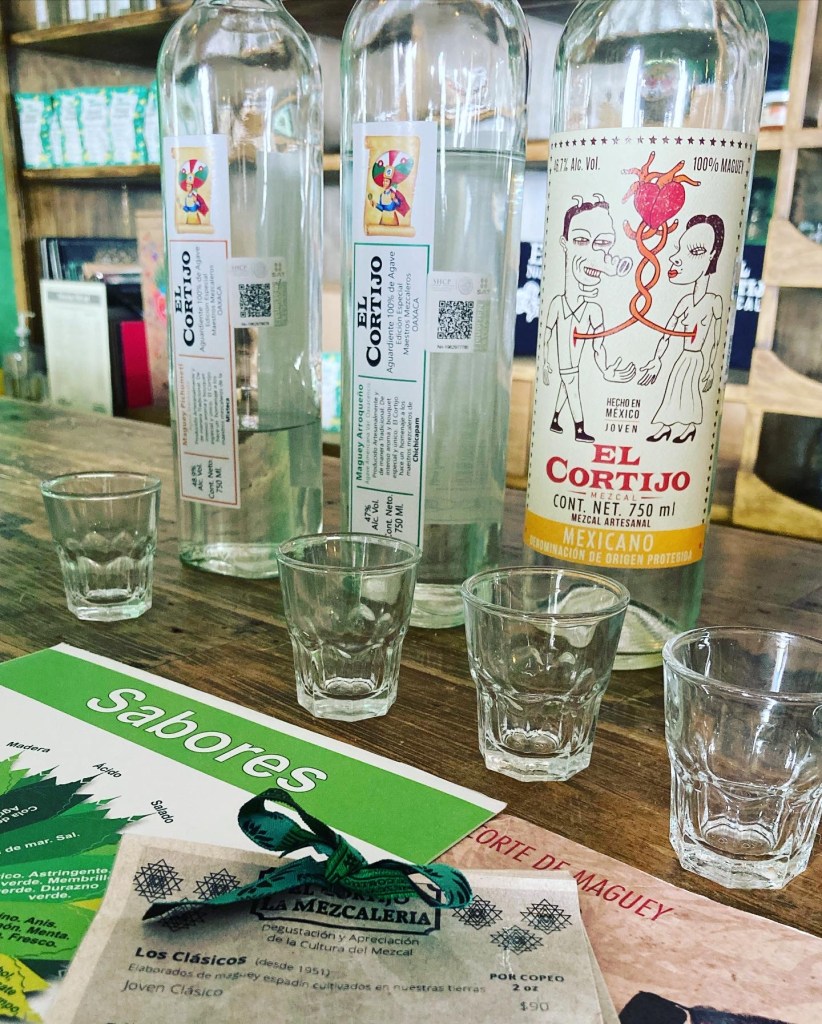
There are endless bars and tasting rooms to savor this regional delight, and mezcal is on every restaurant menu. However, if you are anything like me and don’t know where to start, I recommend stepping into La Mezcaleria El Cortijo, in Centro, for a tasting. El Cortijo has a long tradition of making Mezcal, dating back to 1750. At their tasting room they provide an accessible and reasonably priced tasting experience that walks you through the process of producing mezcal while sampling different varietals. La Casa de Mezcal is another great spot if you are looking for a local experience. Also located in Centro, this cantina style bar serves quality mezcal at very good prices.
The Art
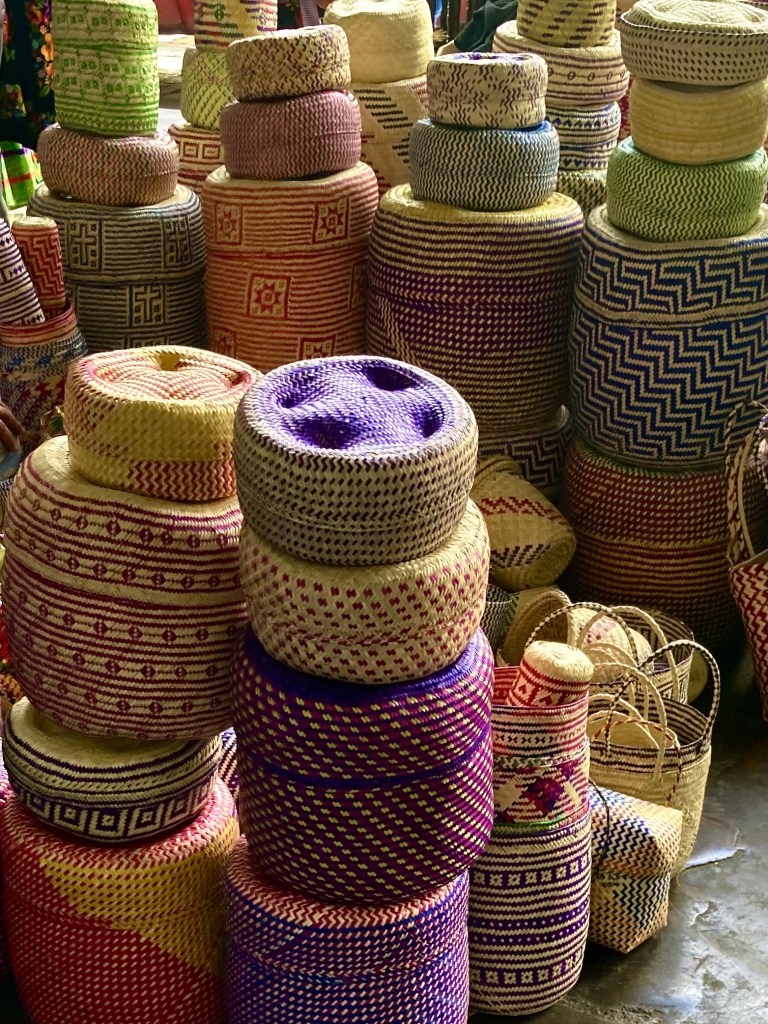
The indigenous groups of Oaxaca produce some of the most unique and stunning art in the country. Throughout the colorful streets of Oaxaca and in the city’s markets you will find a wide variety of artisanal goods from communities throughout the region. Beautiful green-glazed and striking black-clay pottery, hand-woven and naturally died rugs, colorfully painted wooden animal alebrijes, palm-woven baskets and bags, and carefully embroidered clothing are just some of the beautiful artisan work created in Oaxaca. I could stroll through the Mercado de Artesanías in Centro for hours admiring these works of art and appreciating the patience and skill that went into creating them.
Street art is prominent in Oaxaca, and Xochimilco and Jlatloco are great neighborhoods to walk around and appreciate their murals. The Xochimilco neighborhood is also home to textile shops were artisans are hard at work on large, wooden looms. Peek into Arte Textile Don Chepe to watch the weaver in action and check out the small store carrying a selection of blankets, napkins, and other beautifully woven items.

The Indigenous Culture and History
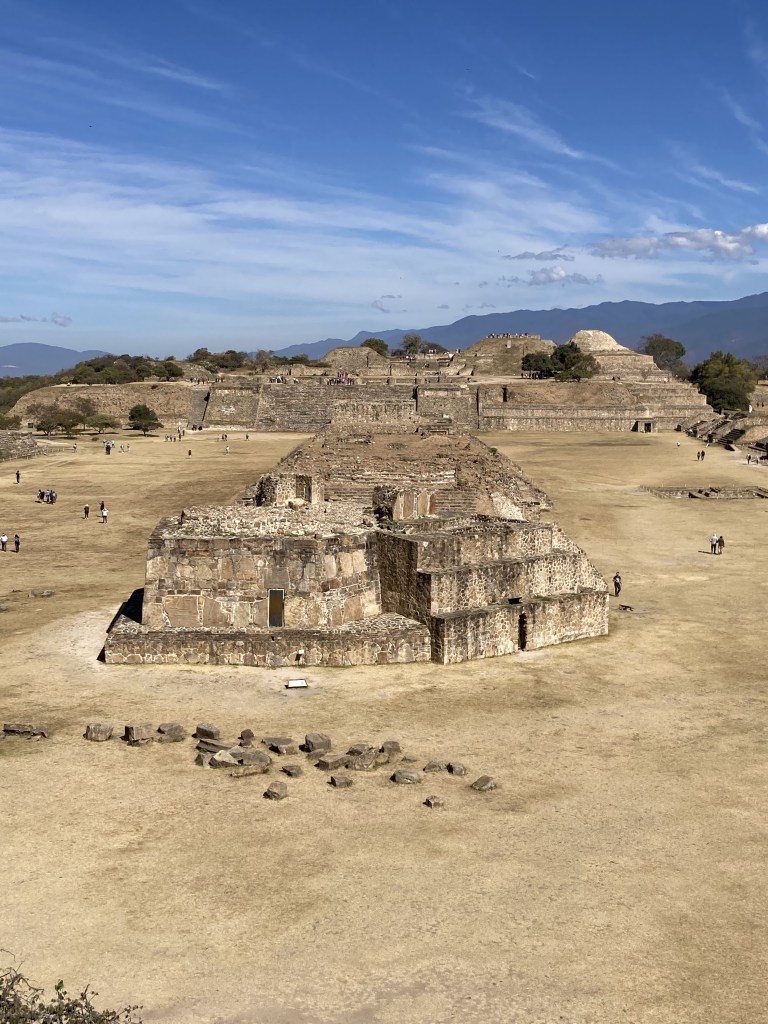
The history of indigenous life in Oaxaca reaches back thousands of years with the impact, contributions, and presence of indigenous groups still evident today. The state of Oaxaca is currently home to sixteen different formally recognized indigenous groups, and it is estimated that at least half of the Oaxacan population speaks an indigenous dialect. Today the two largest indigenous groups in Oaxaca are Zapotec and Mixtec, whose roots date back over two thousand years. A visit to the nearby archeological site of Monte Albán is a worthwhile trip to explore the Zapotec cultural center. Monte Albán is a sprawling complex of impressive pyramids set in the mountains overlooking the valley of Oaxaca. The long-reaching influence of indigenous populations is evident throughout Oaxaca, and is one of the most prominent reasons that Oaxaca is such a special place.
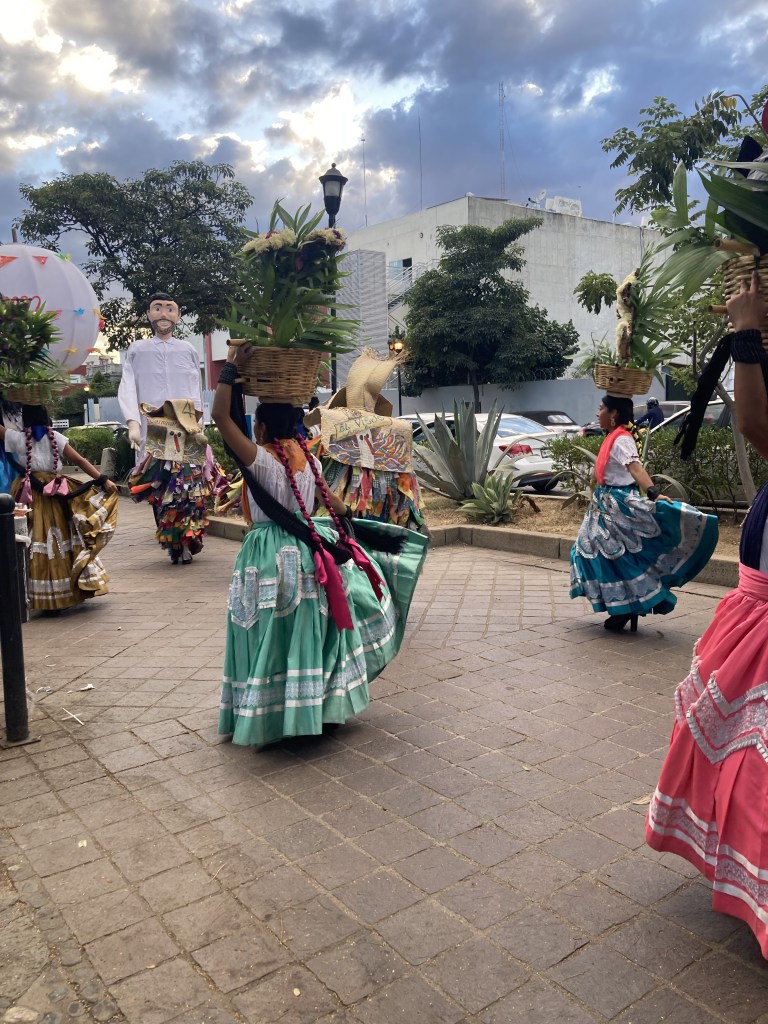
Another excellent way to experience Oaxaca’s indigenous traditions is to get an ancestral massage. For around 500 pesos you can lose yourself in ancestral techniques carefully crafted to integrate mind and body well-being in order to promote relaxation and health. This ritual combines native medicinal herbs, aromatherapy, massage, stretching, and hot and cold stones, followed by a cup of herbal tea and a mezcal tasting. For an immersive experience that will melt your tension, clear your mind, and relax tension and pain in your body, visit Masajes Artesenales Puerto al Cielo in Xochimilco.
The Neighborhoods
For a capital city, Oaxaca has a surprisingly relaxed vibe. Although the people of Oaxaca tend to be a bit more reserved that people in other parts of Mexico, I found the city to be welcoming and diverse and its people to be courteous and patient. There is an appreciation for nature in this city that leans toward environmentally friendly practices with accessible options for recycling and composting as well as plentiful organic and natural products, foods, and services. There is pride in locally produced products, and walking around the city streets, there are countless mezcalarias pouring regional artisanal mezcal, restaurants serving traditional dishes with local ingredients, tiendas and markets selling locally produced goods, and coffee shops brewing organic Oaxacan coffee.
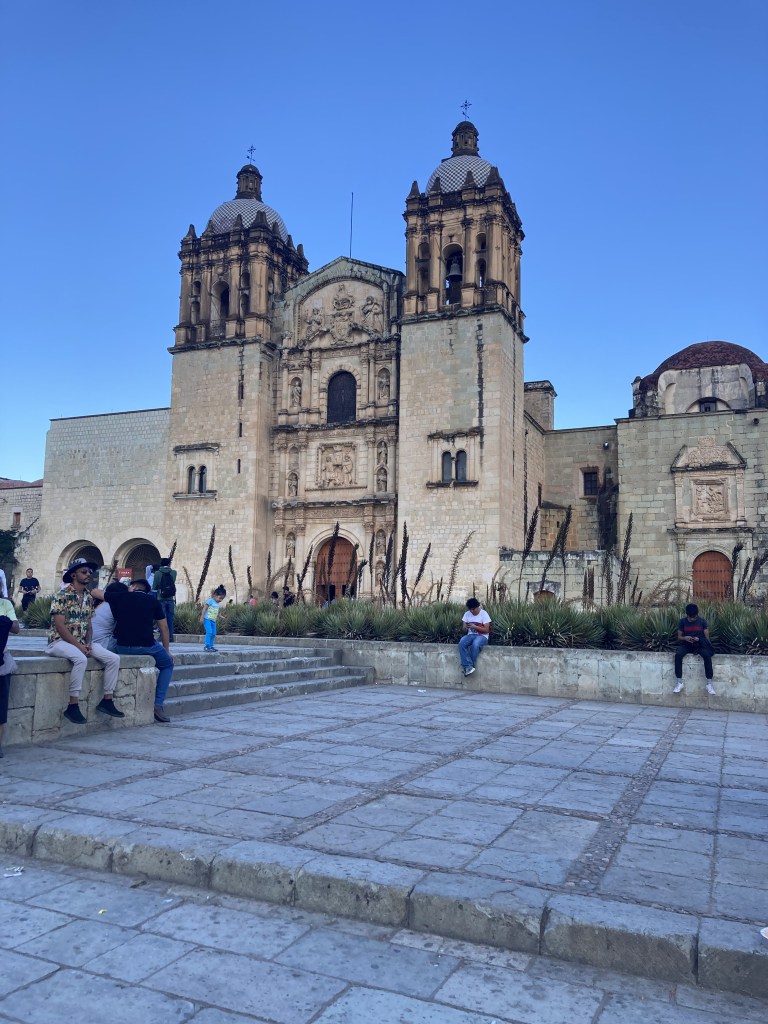
The downtown Centro neighborhood is the heart of the city, centered around the Zocolo, a large historic square. In this bustling neighborhood you will find locals and tourists gathering in the Zocalo, markets selling everything imaginable, vendors, restaurants, bars, churches, and museums. With its many hotel options, this is a popular location to stay if you want to be in the center of the city’s hustle and bustle. Santo Domingo is the northern area of Centro and the site of the imposing Santo Domingo Church, many of the city’s most recognized and hip restaurants and mezcalarias, and boutique hotel options.
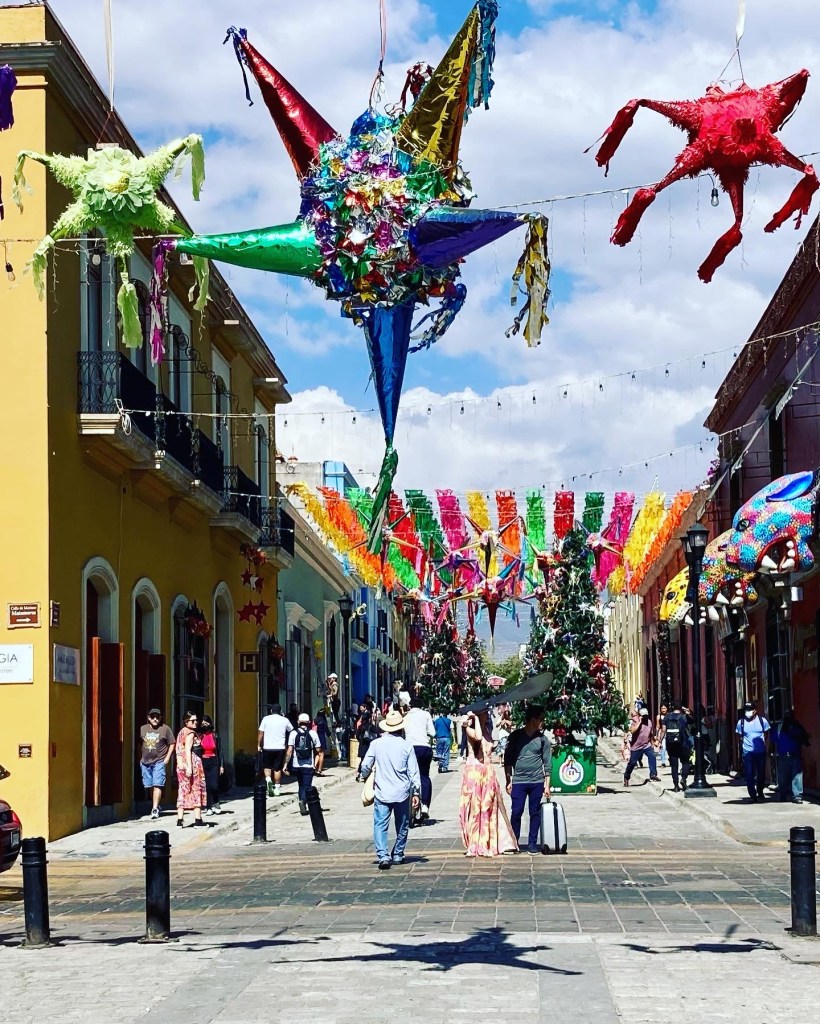
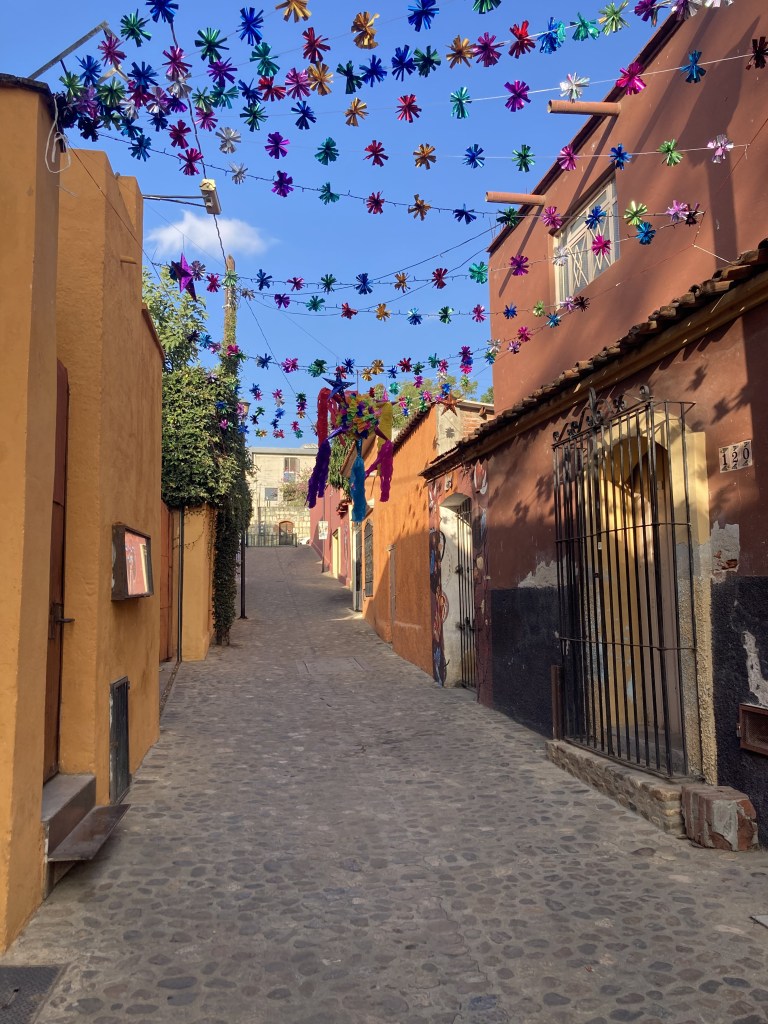
We opted to stay in the quieter neighborhood of Xochimilco, about a fifteen minute walk north of the Zocalo. With its street art, archways, and cobblestone streets, this is a great location to enjoy a surprisingly peaceful area that is still walking distance from the activity of Centro. This is the oldest neighborhood in Oaxaca, the site of the pre-hispanic settlement that eventually became Oaxaca. Its colorful, historic streets, parks, local eateries and coffee shops made this my favorite neighborhood in the city.
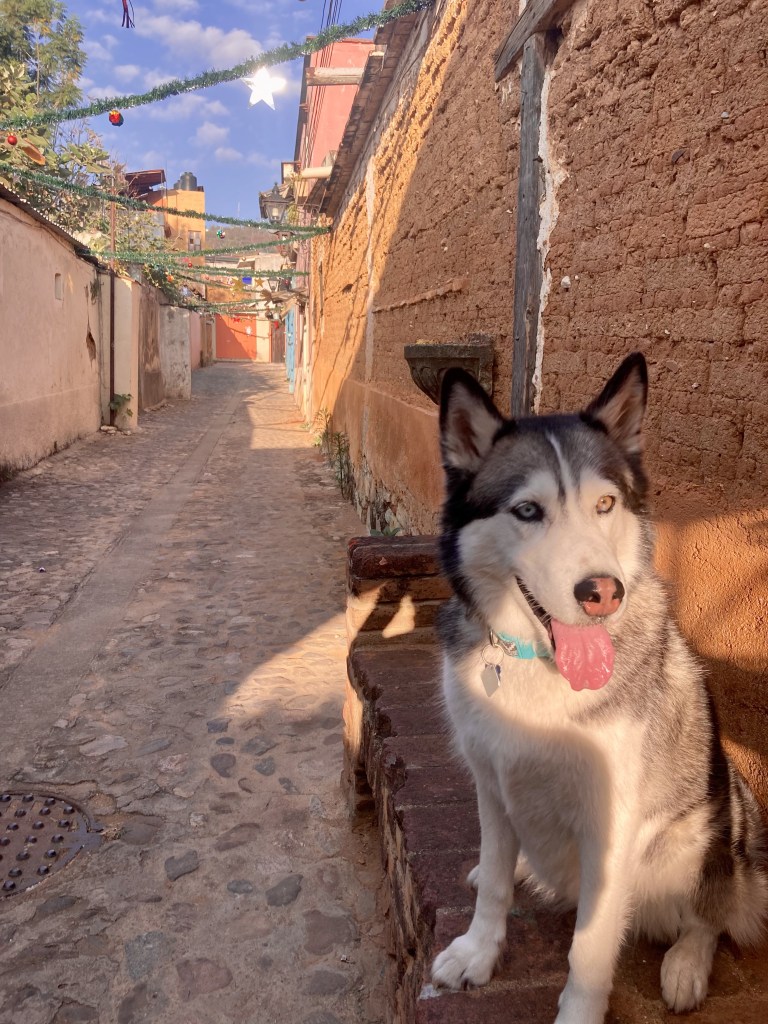
If you are looking to find the best local vibe, explore the compact neighborhood of Jalatloco, where you can people watch and grab a marquesita at Parque El Llano, check out its street art, or enjoy one of its small, local neighborhood restaurants. Just north of Jalatloco is the local neighborhood of Roma, a wealthy neighborhood with plenty of international restaurants and modern amenities.
Whichever neighborhood you find yourself in, I am sure that you too will be captivated by the charm, culture, history, and flavor of this unforgettable city.
 Travel En Vivo